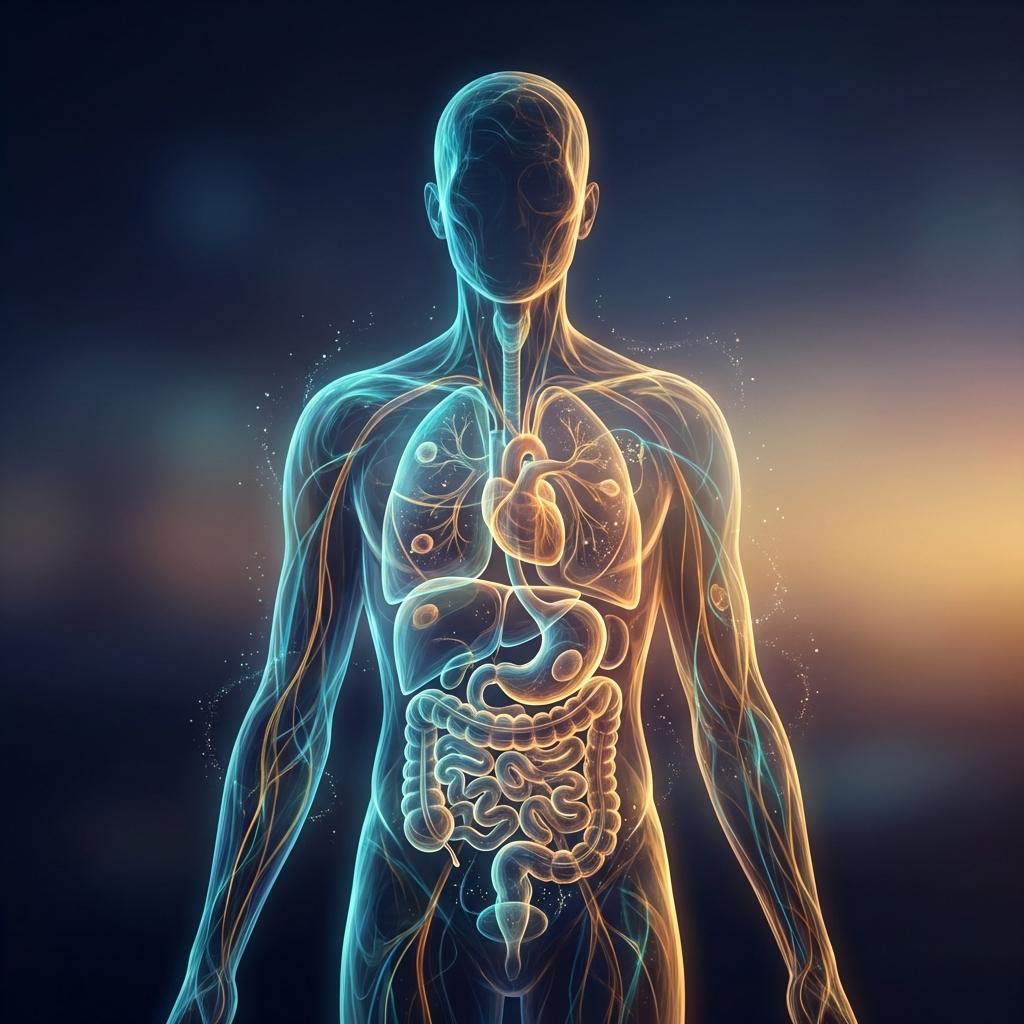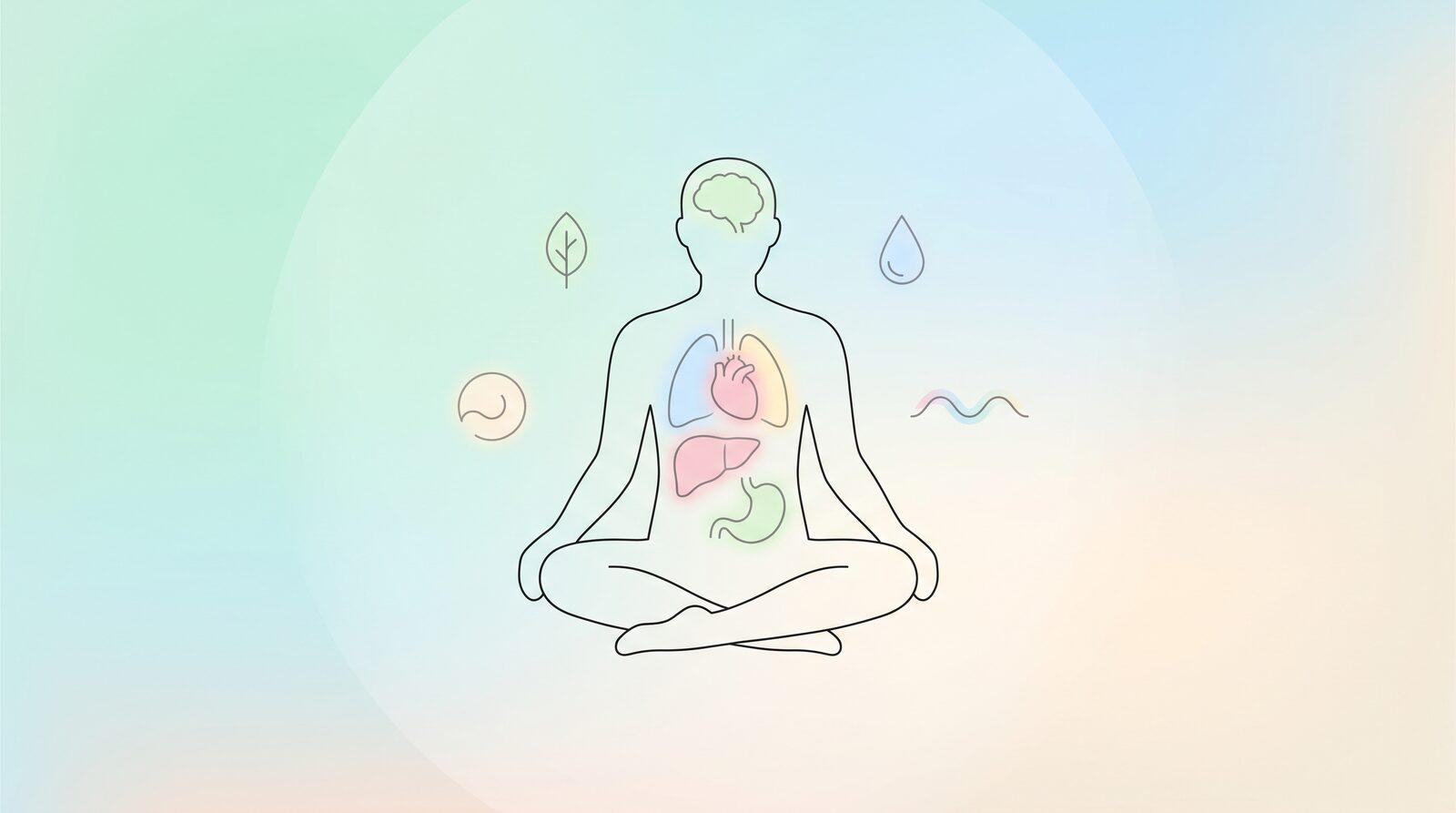
Most people quit drinking for one reason: the liver, the blood pressure, the sleep, the anxiety. Then, a few months in, they discover the strange truth about alcohol: it was never just one thing. It was a dozen quiet taxes collected from a dozen different organs, every week, for years. Which means quitting is never just one benefit either.
This article is a map of all of them. Each section below gives you the short version of what alcohol was doing to that system and what recovery looks like once you stop, then links to our full deep-dive if you want the detailed timeline. Read it top to bottom, or jump straight to the organ you are most worried about. Either way, the pattern that emerges is the same: the human body is astonishingly good at repair once you stop interrupting it.
Your Brain: The Fog Lifts First
Alcohol is a neurotoxin with a rental agreement on your brain. It disrupts neurotransmitter balance, shrinks gray matter over time, and fragments the deep sleep your brain uses to clean and repair itself. The early payoff of quitting is cognitive: most people describe the brain fog lifting somewhere between week two and week six, replaced by a mental sharpness many had forgotten was possible.
The longer arc is even better. Brain imaging studies show measurable gray matter recovery within months of abstinence, a process we cover in the cognitive comeback deep-dive. Memory consolidation improves, and the frightening links between heavy drinking, blackouts, and dementia risk start working in reverse. Even your capacity for joy recalibrates as dopamine signaling rewires over the first several months.
If you're still choosing a tracking app, our guide to the best sobriety apps compares the top options side by side.
Your Heart: Pressure Drops, Rhythm Steadies
Every drink nudges your cardiovascular system in the wrong direction: blood pressure up, heart rhythm destabilized, triglycerides climbing. Quitting reverses the sequence with surprising speed. Systolic blood pressure often drops measurably within weeks, the racing and skipped beats of early sobriety settle as your nervous system recalibrates, and the risk of atrial fibrillation declines.
The old story that moderate drinking protects the heart has not survived modern research, and the cholesterol chapter of that myth collapses under scrutiny too. For the full recovery timeline, from the first 72 hours to the one-year mark, see our guide to cardiovascular recovery after quitting.
Your Liver: The Comeback Champion
No organ takes more direct damage from alcohol, and no organ recovers more dramatically. Fat begins clearing from liver cells within days of your last drink, liver enzymes typically normalize within four to eight weeks, and even early fibrosis can improve over months of abstinence. The week-by-week details are in our liver recovery timeline.
If you have been told you have fatty liver, the news is genuinely hopeful: alcohol-related fatty liver is one of the most reversible conditions in medicine, as long as the drinking actually stops. Our guide to fatty liver recovery walks through the stages, the tests, and the realistic timelines.
Your Gut: The Microbiome Rebuilds
Alcohol inflames the gut lining, increases intestinal permeability, and bulldozes the bacterial ecosystem that regulates everything from digestion to mood. Rebuilding starts fast: the gut lining renews itself within days, and the microbiome begins recovering meaningful diversity over the first weeks and months.
Downstream, the improvements stack up. Reflux and heartburn often ease dramatically, covered in our acid reflux recovery guide, and your pancreas, one of alcohol's most dangerous silent victims, gets relief from the inflammatory pressure described in our pancreas deep-dive. Expect some digestive turbulence in the first weeks; it is a renovation, not a malfunction.
Your Kidneys and Blood Sugar: Quiet Stabilizers
Alcohol dehydrates you, disrupts electrolyte balance, and forces your kidneys to work against a hormone system alcohol keeps switching off. Freed from that cycle, kidney function and fluid balance recover in most regular drinkers within weeks.
The metabolic story is just as important. Alcohol destabilizes blood glucose, worsens insulin resistance, and raises type 2 diabetes risk. After quitting, blood sugar control improves steadily, which also explains the sugar cravings so many people battle in month one: your metabolism is renegotiating its energy supply.
Your Immune System and Inflammation: Defenses Back Online
Regular drinking suppresses white blood cell function and keeps your body in a state of chronic, low-grade inflammation, the kind that quietly accelerates nearly every major disease. Within weeks of quitting, immune defenses measurably strengthen: people report fewer infections, faster recovery from illness, and better wound healing.
The inflammation piece deserves its own chapter, because it connects almost every section of this map, from joint pain to puffy morning face to long-term disease risk. Our guide to systemic inflammation and recovery covers how inflammatory markers like CRP fall after quitting, and how fast.
Your Hormones: The Control Room Resets
Alcohol interferes with nearly every hormonal axis you have: cortisol, insulin, testosterone, estrogen, thyroid, growth hormone. The complete hormonal recovery guide maps the whole system, while the dedicated guides for men's health and testosterone and women's health cover the sex-specific timelines, from morning energy and libido to cycle regularity and menopause symptoms.
Your Body Composition: Muscle, Bone, and Weight
Alcohol suppresses muscle protein synthesis, blunts training adaptations, and quietly leaches minerals from your skeleton. Quitting flips the script: muscle growth and exercise recovery improve within weeks as protein synthesis, sleep, and testosterone normalize, and bone density stabilizes and rebuilds over the following months.
Weight is the wildcard. Many people lose weight effortlessly once the liquid calories stop, while others are surprised to gain a few kilos at first as appetite returns and sugar fills the gap. Both are normal, and both settle.
Your Skin, Hair, and Face: The Visible Dividend
This is the recovery everyone else notices. Rehydrated skin, calmer redness, and the deflation of alcohol bloat transform faces within weeks: the skin glow timeline and our guide to facial and belly bloating map it week by week. Hair and nails follow more slowly, on the several-month cycle described in our hair and nail recovery guide, as nutrient absorption and hormones normalize.
Zoom out far enough and this section is really about aging: alcohol accelerates it at the cellular level, and quitting is one of the few genuinely effective longevity moves available to ordinary people.
Your Sleep: The Multiplier for Everything Else
Alcohol is the most popular sleep aid in the world and among the worst: it sedates you into shallow, fragmented sleep while suppressing the REM and deep stages that make sleep restorative. Quitting rebuilds sleep architecture over four to eight weeks, sometimes after a rough start of insomnia and vivid dreams.
Sleep earns its own section on this map because it multiplies every other benefit here. Hormone regulation, immune function, muscle repair, mood, and memory all run on deep sleep. Fix the sleep and every other organ system recovers faster.
Your Long-Term Risk Profile: The Compounding Benefit
Some benefits you feel in weeks. Others you collect over decades. Alcohol is a Group 1 carcinogen linked to at least seven cancers, and risk begins declining after you quit, a process examined honestly in our guide to alcohol and cancer risk. Cardiovascular risk, liver disease risk, and dementia risk all bend downward on the same curve. Nothing else on this map compounds like this section does.
The Whole-Body Timeline at a Glance
- Days 1 to 7: hydration and blood sugar stabilize, sleep begins restructuring, the liver starts clearing fat. Expect withdrawal noise: headaches, restless nights, irritability. The day-by-day withdrawal guide covers this window.
- Weeks 2 to 4: blood pressure drops, brain fog lifts, skin rehydrates, immune function improves, digestion settles.
- Months 2 to 3: liver enzymes normalize, inflammation markers fall, hormones rebalance, sleep architecture rebuilds, training results improve.
- Months 4 to 12: gray matter recovery, bone density stabilization, hair renewal, steady decline in cardiovascular and cancer risk.
- Year 1 and beyond: risk profiles keep bending toward those of non-drinkers. The dividend compounds quietly for as long as you stay stopped.
One Body, One Streak
Here is the practical takeaway from this whole map: you do not get to pick which organ recovers. You quit once, and all of them heal in parallel. Every sober day is simultaneously a liver day, a heart day, a brain day, and a skin day.
That is also what makes tracking a single number so effective. A private day counter like Sober Tracker needs no account and shares nothing; it just holds the one number that all of these recovery timelines run on. Day 30 on the counter means week four on every section of this page at once.
This article is educational and not a substitute for medical advice. If you drink heavily every day, talk to a doctor before quitting abruptly, as alcohol withdrawal can be medically serious. Seek medical care for symptoms such as seizures, hallucinations, chest pain, or confusion during withdrawal.