Inflammation is the thread that runs through almost every alcohol-related health problem, and almost nobody thinks about it directly. You feel it as the puffy morning face, the joints that ache more than your age should explain, the injuries that heal slowly, the general sense of being a little inflamed and a little worn. These feel like unrelated complaints. They are not. They are the visible surface of a single underlying process: chronic, low-grade inflammation that alcohol keeps quietly stoked, day after day.
This article pulls that thread. It explains what inflammation actually is and why a low simmer of it is so dangerous, how alcohol keeps the fire lit from several directions at once, and what happens when you quit, including how fast the standard inflammatory markers in your blood actually fall. Of all the recovery stories on the organ-by-organ map, this is the one that connects the most sections together.
Acute Versus Chronic Inflammation
Inflammation itself is not the enemy. Acute inflammation is your body's rapid-response team: cut your finger and the redness, heat, and swelling are your immune system rushing to repair the damage. It flares, does its job, and resolves. That system saves your life constantly.
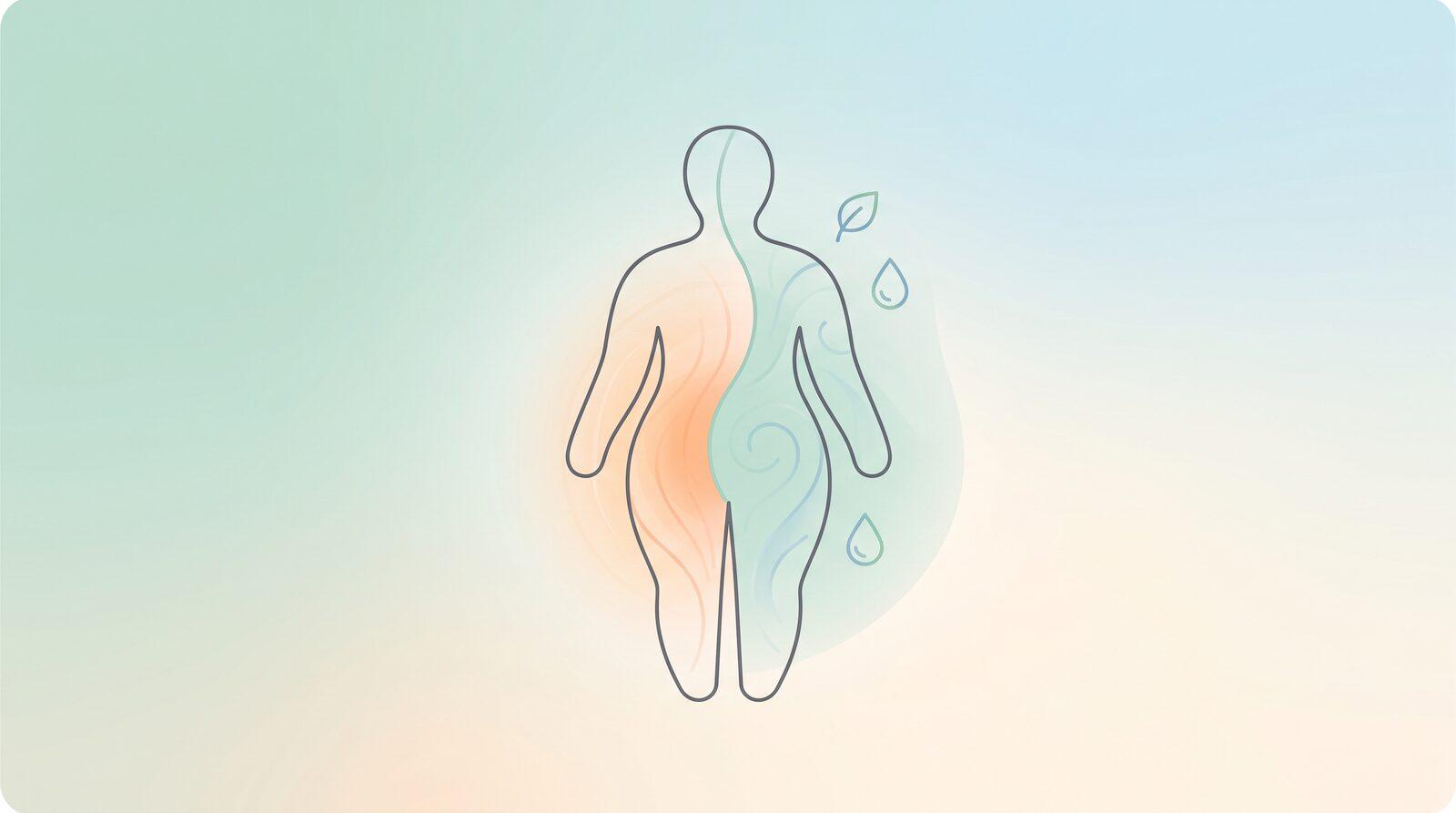
The problem is when inflammation never switches off. Chronic, low-grade systemic inflammation is a persistent, body-wide simmer with no injury to heal, no off-switch engaged. It does not hurt sharply the way an infection does; it works slowly, and it is now understood to be a central driver of nearly every major chronic disease: heart disease, type 2 diabetes, fatty liver, arthritis, depression, dementia, and cancer. Doctors track it with blood markers, the most common being C-reactive protein (CRP), along with inflammatory signaling molecules called cytokines like IL-6 and TNF-alpha. When these are chronically elevated, your body is running hot in a way that damages tissue over years.
Not sure which app to use? We compared the top sobriety apps to make choosing easier.
How Alcohol Keeps the Fire Burning
Alcohol drives chronic inflammation through several reinforcing mechanisms, which is why its effect is so pervasive.
It starts in the gut. Alcohol damages the intestinal lining and increases its permeability, the phenomenon often called leaky gut. That lets bacterial fragments called endotoxins (LPS) leak from the intestine into the bloodstream, where the immune system treats them as invaders and mounts an inflammatory response. This gut-to-bloodstream pathway is one of the main engines of alcohol-related inflammation, and it is why healing the gut microbiome matters so much for calming the whole system.
The liver amplifies it. As your liver metabolizes alcohol it produces acetaldehyde, a toxic compound, and reactive oxygen species that cause oxidative stress and trigger more inflammatory signaling. A liver under constant alcohol load is a constant source of inflammatory output, which is part of why fatty liver and inflammation travel together.
It provokes the immune system directly and dysregulates it. Alcohol alters immune cell function so that the system both overreacts with inflammatory cytokines and underperforms at actual defense, the double bind covered in our immune system guide. Layer on the dehydration, disrupted sleep, and elevated cortisol of regular drinking, each an inflammatory contributor in its own right, and you have a body kept permanently at a low boil.
What Chronic Inflammation Feels Like
Because it is systemic, alcohol-driven inflammation shows up in scattered, easy-to-dismiss ways:
- Puffiness and bloating, especially the swollen morning face and midsection covered in our bloating timeline, as inflammation drives fluid retention.
- Joint and muscle aches out of proportion to your activity, and stiffness that lingers.
- Slow healing and frequent minor illness, the flip side of an immune system that is busy simmering rather than defending.
- Skin problems: redness, flushing, and flare-ups of conditions like rosacea, psoriasis, and eczema, which are inflammatory at their core.
- Low mood and fatigue. Inflammatory cytokines act on the brain, and chronic inflammation is increasingly linked to depression and that pervasive worn-down feeling.
What Happens When You Quit
Remove the source and the fire starts going out. This is one of the more measurable recoveries in all of sobriety, because inflammation is tracked with actual blood tests.
Days 1 to 7. The acute inflammatory load from your last drinks begins clearing. Fluid retention starts to resolve, which is why the face and belly puffiness deflates noticeably in the first week, one of the earliest visible wins of quitting.
Weeks 2 to 4. The gut lining begins repairing, which slows the leak of endotoxins that was feeding the whole cycle. Sleep and hydration improve, removing two more inflammatory inputs. Many people notice joint aches easing and skin calming during this window.
Months 1 to 3. This is where the bloodwork moves. Studies of people who stop drinking show measurable declines in inflammatory markers including CRP and inflammatory cytokines over a matter of weeks to a few months. As the gut heals further and the liver recovers, the two biggest inflammatory engines wind down together. Energy typically improves as the cytokine burden on the brain lifts.
Months 3 and beyond. With inflammation persistently lower, the long-term risk dividend starts compounding: reduced strain on the cardiovascular system, better metabolic health, and a lower contribution to the disease processes that chronic inflammation feeds. This is the quiet, invisible benefit that pays off over years rather than weeks.
How to Cool Inflammation Faster
Quitting is by far the biggest lever, but these habits speed the cooling:
- Eat an anti-inflammatory diet. Omega-3 fats (fatty fish, walnuts, flax), colorful vegetables and fruit, olive oil, and whole grains all lower inflammatory signaling. Minimize ultra-processed food and added sugar, which push the other way, especially while sugar cravings are high.
- Heal the gut deliberately. Fiber and fermented foods rebuild the microbiome that keeps endotoxins out of your blood; see the gut recovery guide.
- Sleep and de-stress. Deep sleep and lower cortisol are directly anti-inflammatory. This is not optional; it is a primary mechanism.
- Move regularly. Moderate exercise lowers baseline inflammation over time. Keep it moderate at first, since very intense training on an inflamed, recovering body can backfire.
- Hydrate. Proper hydration supports every clearance system your body uses to resolve inflammation.
Frequently Asked Questions
How quickly does inflammation go down after quitting alcohol?
Fluid-related puffiness eases within the first week, and measurable blood markers like CRP typically decline over several weeks to a few months of abstinence, as the gut and liver, the two main inflammatory sources, recover. The long-term risk reduction continues to build well beyond that.
Can alcohol cause joint pain?
Yes, indirectly. Alcohol-driven systemic inflammation, dehydration, and in some people elevated uric acid (which can trigger gout) all contribute to joint aches and stiffness. Many people find joint pain eases within weeks of quitting as inflammation subsides.
Does quitting alcohol help autoimmune or inflammatory skin conditions?
Often, yes. Conditions like rosacea, psoriasis, and eczema are inflammatory, and alcohol is a well-known trigger for flare-ups. Reducing your overall inflammatory load by quitting frequently improves them, though it is not a cure and you should keep working with your doctor.
Letting the Fire Go Out
The most useful reframe here is that inflammation is not a symptom you treat, it is a state you exit. You cannot medicate your way out of a fire that gets relit every night; you let it go out by stopping what keeps lighting it. Give your gut, liver, and immune system a long enough stretch of calm and they stop broadcasting the alarm, and almost every other recovery on the map, from your joints to your skin to your mood, accelerates in the quiet that follows.
Because so much of this benefit is invisible and slow, keeping the streak in view helps. A private counter like Sober Tracker holds the one number the whole cooling process runs on, with no account and nothing shared, so the weeks your CRP is quietly falling are weeks you can actually see adding up.
This article is educational and not a substitute for medical advice. Persistent joint pain, skin conditions, or elevated inflammatory markers deserve evaluation by a doctor, and if you drink heavily every day, talk to a doctor before quitting abruptly, as alcohol withdrawal can be medically serious.