You braced for cravings, rough sleep, maybe a short temper. Instead, one of the most stubborn problems of your first sober weeks is that you cannot go to the bathroom. It feels too unglamorous to mention, which is why few people warn you about it, and why so many quietly search "constipated after quitting drinking" at 2 a.m.
Constipation after quitting alcohol is common enough to be worth a plan, and most of its likely causes are ordinary and fixable: less fluid, different food, less movement, a disrupted routine, new medicines or supplements. This guide covers what changes when you stop drinking, what usually helps, how long it can take, and the warning signs that mean a doctor should take a look. One honest caveat up front: the date you quit does not by itself tell you the cause, so treat the explanations below as things to check, not a diagnosis.
What counts as constipation?
Constipation can mean fewer bowel movements than usual, hard or lumpy stools, straining, or feeling that you have not finished. You do not need to miss an entire week before it counts. What matters is the change from your own usual pattern, not going at the same time every day.
The NHS constipation guide describes these symptoms and lists common contributors: changes in diet or routine, not drinking enough fluid, inactivity, stress, and some medicines. Several of those can change at once when you stop drinking.
Why quitting alcohol can back you up
Look at what changed around your quit date. These are the usual suspects, and you can check each one yourself.
Your fluid intake dropped. Drinkers still pour a lot of liquid down every day: beers, glasses of wine, mixers. Quit, and that volume can disappear from your routine unless something replaces it. Low fluid intake is one of the causes the NHS lists, and it is one of the easiest to fix, which is why deliberate hydration is worth more attention right now than any supplement.
Your food changed. Early sobriety often comes with strong sugar cravings, and the foods that answer them, sweets, white bread, takeaway comfort food, tend to be low in fibre. Some people also eat more, or at different times, once the evening drinking routine is gone.
You are moving less. The fatigue of early sobriety keeps many people on the couch for a while, and less activity is a recognised contributor to constipation.
Your routine and stress levels shifted. New mornings, disrupted sleep, and the stress of the first weeks (the withdrawal timeline covers what is typical) can all change when and whether you make time for the bathroom.
You started something new. Iron and calcium supplements, some antacids, and some pain medicines are known to cause constipation. Note anything you recently started or increased, and do not stop a prescribed medicine on your own.
Your gut microbiome also changes after heavy drinking stops, but there is no home test that links a particular bowel change to it, so it is better treated as background than as an explanation. The NIDDK's overview of causes is a good reminder that underlying conditions belong on the list too.
If you're still choosing a tracking app, our guide to the best sobriety apps compares the top options side by side.
How long does constipation last after quitting alcohol?
There is no established week-by-week schedule for this specific symptom after stopping alcohol, and you should be wary of any article that promises one. What the evidence does support is how constipation behaves in general: the NHS notes that diet and lifestyle changes can help within days, while some people take weeks to improve.
In practice, that means the timeline depends far more on what you change than on how many sober days you have. If fluids, fibre, movement, and routine are back on track and things are improving, you are on the right path. If self-care has not helped after a couple of weeks, or the problem keeps coming back, talk to a pharmacist or doctor rather than waiting for a date on a calendar.
Track comfort and stool consistency as well as frequency. A bowel movement that still needs painful straining is not a full improvement just because it happened today.
What actually helps
Most of the fixes are boring, cheap, and often work within days.
- Replace the fluid you lost. Do not wait for thirst. A glass of water with each meal and another between meals is an easy way to replace what used to come from drinks, unless your doctor has asked you to limit fluids. A warm drink in the morning works well for many people.
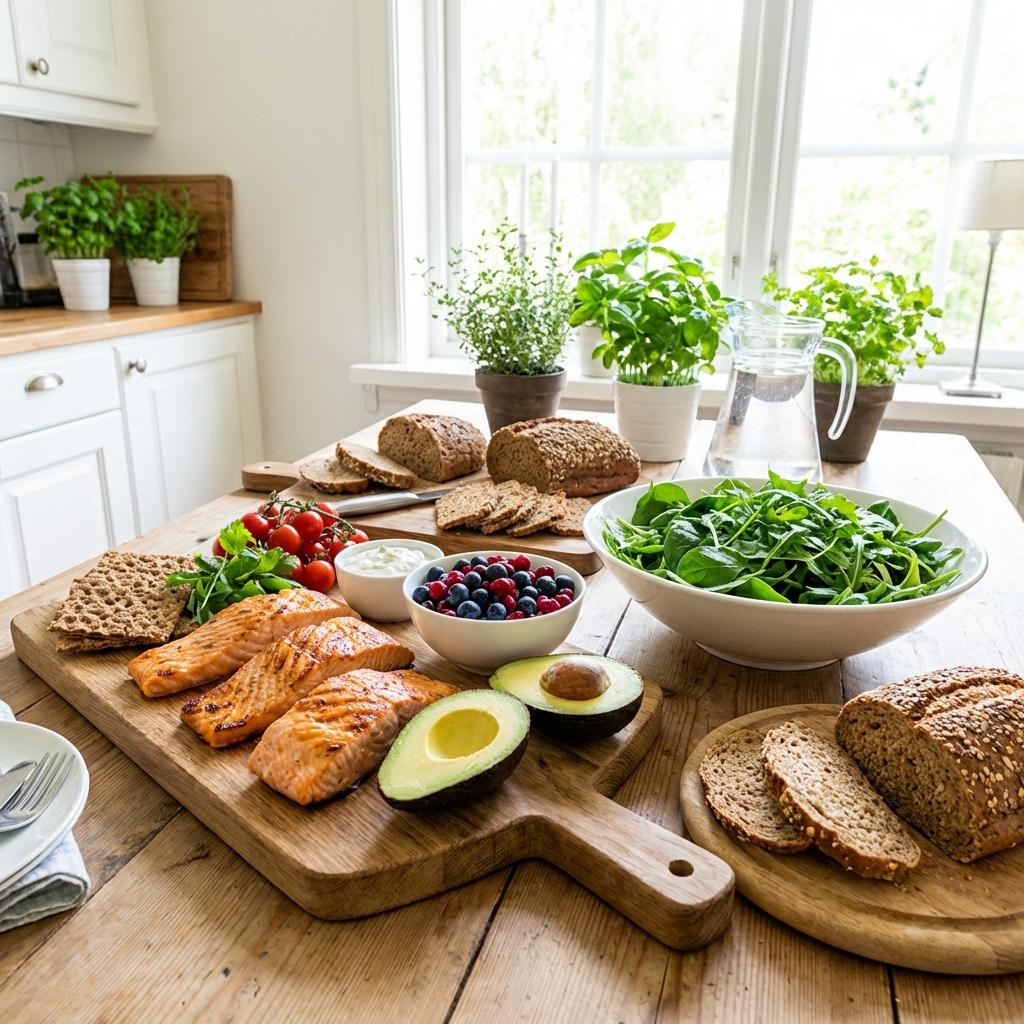
- Ramp fibre up gradually. Oats, beans, lentils, fruit, vegetables, and whole grains all count. The NIDDK's diet guidance puts most adults at roughly 22 to 34 grams a day, and recommends increasing slowly and drinking enough for fibre to work. A sudden fibre flood mostly produces gas and bloating, which is why people give up on it. Our recovery nutrition guide has meal ideas.
- Keep the morning coffee if it suits you. For many people a cup after breakfast reliably prompts a bowel movement. It is one early-sobriety habit you may not need to change.
- Walk after meals. A short daily walk counts. It does not need to be serious exercise, and movement helps with many other early-sobriety symptoms too.
- Give the urge a routine. Allow unhurried time after breakfast or another regular meal, and do not keep postponing a genuine urge. A small footstool that raises your knees can make it easier.
- Ask before reaching for products. If these changes are not enough, a pharmacist can suggest an appropriate laxative and how long to use it. The NIDDK's treatment guide describes the different types. Tell the pharmacist about your other medicines and health conditions.
- Be careful with magnesium. Magnesium appears in many recovery supplement stacks, and some laxatives contain it too. A supplement and a laxative are not interchangeable, and stacking both is not a sensible default, especially if you have kidney problems. Ask a pharmacist first.
Weren't you supposed to get diarrhoea?
If you have read that quitting alcohol causes diarrhoea, that happens too. Some people get loose stools in the first weeks, some get constipation, and some alternate. Our guide to diarrhoea after quitting alcohol covers that side separately.
Neither pattern on its own means recovery is going badly, and alternating loose and hard stools does not prove anything is rebuilding on schedule. One useful detail from the NHS: liquid stool can sometimes leak around a blockage, so diarrhoea does not always rule out constipation. If the pattern is persistent, painful, or keeps coming back, describe it to a clinician. Bloating often travels with constipation; our piece on bloating in the face and belly covers that separately.
When constipation needs a doctor
Most constipation in early sobriety is uncomfortable and responds to the steps above. Some signs need prompt medical attention instead of patience: blood in your stool or black, tarry stools, constant or severe abdominal pain, being unable to pass gas, vomiting, fever, or weight loss you cannot explain. The NIDDK lists these as reasons to see a doctor. Do not wait for a set number of days if any of them are present.
Book a regular appointment if self-care is not working or if your bowel habits have changed and stayed changed. Bring your medicine list and a short note of what has changed. And one more honest note: long-term heavy drinking raises the risk of several digestive cancers, including colorectal cancer. If you are due for bowel screening, early sobriety is a good moment to book it.
Separately, alcohol withdrawal can need medical support. If you may be physically dependent, get advice about stopping safely. A constipation plan does not replace that.
Frequently asked questions
How long does constipation last after quitting alcohol?
There is no reliable schedule specific to quitting alcohol. In general, constipation often improves within days of changing fluids, fibre, activity, and routine, while some people take weeks. If self-care has not helped after a couple of weeks, or warning signs appear, see a pharmacist or doctor.
Can quitting alcohol really cause constipation?
Stopping drinking often changes several things that are known to affect bowel habits at once: how much fluid you drink, what you eat, how much you move, your daily routine, and sometimes which medicines or supplements you take. Those changes can lead to constipation. The timing alone does not prove alcohol withdrawal is the cause, so check those factors first.
What helps constipation in early sobriety?
Start with the basics: replace the fluid that used to come from drinks, increase fibre gradually, walk after meals, keep a morning coffee if it suits you, and give yourself unhurried bathroom time after breakfast. If that is not enough, a pharmacist can recommend a suitable laxative.
Is bloating normal after quitting alcohol too?
Bloating often comes with constipation, and adding fibre quickly can make it worse for a while, so increase fibre slowly. Bloating that is severe, painful, getting worse, or comes with any warning signs above needs a medical check rather than more patience.
Should I take magnesium for constipation after quitting alcohol?
Ask a pharmacist first. Some laxatives contain magnesium, and so do many supplements, but the doses and purposes differ. Combining them is not a good default, and people with kidney problems need individual advice.
Keep a short record
Write down when the problem started, your last comfortable bowel movement, stool consistency, any pain or other symptoms, and recent medicine changes. A few lines like that make a pharmacist or doctor visit much more useful.
Sober Tracker keeps count of your alcohol-free days privately, with no account. Use it alongside your symptom notes as context, not as a measure of gut healing.
This article is educational and is not a substitute for medical advice. Get individual advice for persistent constipation, warning symptoms, or concerns about alcohol withdrawal.