You don't have a "drinking problem." At least, not the kind people talk about in movies. You hold down a job. You pay your bills. You've never blacked out in a gutter or lost everything to alcohol.
But lately, something's been nagging at you. Maybe it's the way two glasses of wine somehow became a bottle. Maybe it's wondering why every social event seems to require alcohol. Maybe it's waking up at 3 AM with your heart racing, counting the drinks from dinner and feeling vaguely ashamed.
If any of this sounds familiar, you might be what's called sober curious. And you're far from alone.
What Does Sober Curious Mean?
Sober curious describes a growing movement of people who are questioning their relationship with alcohol—not because they've hit rock bottom, but because they're genuinely curious about what life might be like without drinking.
The term was popularized by Ruby Warrington's 2018 book "Sober Curious" and has since exploded into a cultural phenomenon. Unlike traditional sobriety, which often comes from a place of necessity (addiction, health crisis, ultimatums), sober curiosity comes from a place of choice and self-exploration.
Being sober curious means asking questions like:
- Would I enjoy this party without a drink in my hand?
- Why do I feel like I "need" alcohol to relax?
- What would my mornings feel like without any hangover fog?
- Am I drinking because I want to, or because it's just what everyone does?
- What might change if I took a break from alcohol?
The beautiful thing about sober curiosity is that it doesn't require labels or lifetime commitments. You don't have to identify as an "alcoholic" or swear off drinking forever. You're simply... curious.
A free sobriety tracker app makes progress like this much easier to see, and our comparison guide breaks down which ones do it best.
Why Is the Sober Curious Movement Growing?
The sober curious movement isn't just a trend—it's a cultural shift. Here's why more people are questioning their drinking habits than ever before:
The Wellness Revolution
We live in an era where people track their sleep, optimize their nutrition, and invest in mental health. It was only a matter of time before people started asking: "If I'm doing all this work to feel good, why am I undoing it with alcohol?"
Better Information
Science has caught up with alcohol. We now know there's no "safe" level of drinking for brain health. We understand how alcohol disrupts sleep architecture, spikes anxiety, and affects everything from gut health to hormone balance. The myth of "moderate drinking is healthy" has been thoroughly debunked.
Millennial and Gen Z Influence
Younger generations are drinking significantly less than their parents did. They're more health-conscious, more aware of mental health, and less interested in the "drinking culture" their parents normalized. They're also more willing to question traditions that don't serve them.
The Non-Alcoholic Beverage Boom
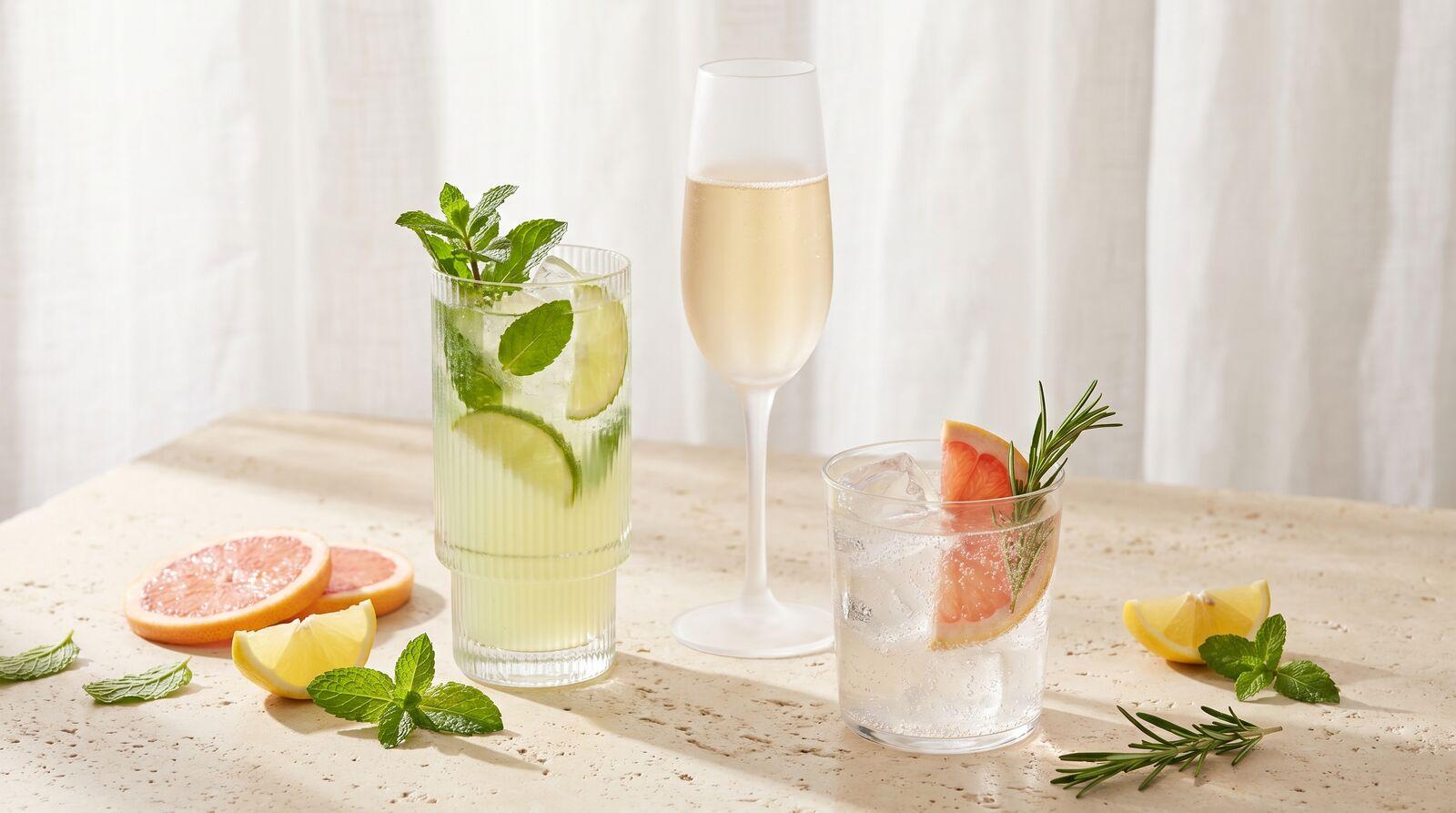
The explosion of high-quality non-alcoholic beers, wines, spirits, and craft mocktails has made it easier than ever to enjoy sophisticated drinks without alcohol. You can now order a beautifully crafted NA cocktail at a bar without feeling like you're drinking juice at a grown-up party.
Pandemic Reflection
Many people increased their drinking during COVID lockdowns. But that forced pause from normal life also gave people space to notice patterns they'd ignored. Some people realized they didn't miss drinking as much as they thought they would.
Signs You Might Be Sober Curious
Sober curiosity isn't binary—it's a spectrum. You might recognize yourself in some of these experiences:
You've Googled "Am I drinking too much?"
Even if the quiz told you that you're fine, the fact that you searched means something. People who have zero concerns about their drinking don't Google it at 2 AM.
You Make Mental Negotiations About Alcohol
"I'll only have two drinks tonight." "I won't drink on weekdays anymore." "I'll switch to wine because it's 'healthier.'" If you find yourself constantly bargaining with yourself about alcohol, that's a sign of underlying discomfort.
You've Noticed Drinking Creeping Up
What started as a glass with dinner is now a bottle. What was "just weekends" somehow includes Thursday. Your tolerance has increased, and you've noticed.
You Envy People Who Don't Drink
When you meet someone who casually mentions they don't drink, you feel a flash of something—maybe admiration, maybe envy, maybe curiosity. You wonder what that's like.
You Don't Like How Alcohol Makes You Feel
Maybe it's the hangxiety the next morning. Maybe it's the 3 AM wake-up with racing thoughts. Maybe it's how emotional or irritable you get after drinking. The "fun" part of alcohol feels increasingly short compared to the aftermath.
You're Drawn to "Sober" Content
You've found yourself reading articles like this one. Maybe you follow sober influencers on social media. Maybe you've noticed books about quitting drinking in your recommendations. Your attention is telling you something.
Social Drinking Feels Less Fun
You used to love bar nights, but now they feel repetitive. You're tired of the same drunk conversations, the same hangovers, the same "I can't believe I said that" moments. Something that used to feel exciting now feels exhausting.
Sober Curious vs. Traditional Sobriety: What's the Difference?
Understanding the distinction can help you figure out where you fit:
Traditional Sobriety
- Often motivated by crisis, addiction, or health necessity
- May involve formal programs (AA, rehab, therapy)
- Usually means complete, permanent abstinence
- Often includes identifying as "an alcoholic" or "in recovery"
- Community support is often recovery-focused
Sober Curiosity
- Motivated by wellness, optimization, or personal growth
- Self-directed exploration without formal programs
- Can mean taking breaks, reducing consumption, or eventually quitting
- No requirement for labels or permanent commitments
- Community includes wellness-focused and lifestyle-oriented people
Neither approach is "better"—they serve different needs. Some people start sober curious and discover they want traditional sobriety. Some people in traditional sobriety wish the sober curious framework had existed when they started. Both paths are valid.
Benefits of Exploring Sober Curiosity
What might you discover if you explore life without alcohol? Here's what many sober curious people report:
Physical Benefits
- Better sleep: Alcohol destroys sleep quality, even if it helps you fall asleep initially
- More energy: No hangovers means no "recovery days"
- Clearer skin: Alcohol dehydrates and inflames
- Weight changes: Alcohol is empty calories plus it increases appetite
- Improved digestion: Your gut microbiome starts healing
- Stronger immune system: Alcohol suppresses immune function
Mental and Emotional Benefits
- Reduced anxiety: Hangxiety is real; removing alcohol often reduces baseline anxiety
- Mood stability: No more alcohol-induced emotional swings
- Mental clarity: The fog lifts; thinking feels sharper
- Authentic emotions: You feel things without chemical interference
- Better stress management: You develop real coping mechanisms
Life Benefits
- More time: Drinking and recovering from drinking consume hours
- More money: Alcohol is expensive, and drunk purchases are worse
- Deeper relationships: Connections without alcohol are more genuine
- New hobbies: You rediscover interests alcohol crowded out
- Self-trust: You prove to yourself you can do hard things
How to Start Your Sober Curious Journey
Ready to explore? Here's how to begin without overwhelming yourself:
Start with Questions, Not Rules
Before changing any behavior, simply get curious. Before you drink, ask yourself: "Why do I want this drink right now?" After you drink, notice: "How do I actually feel?" No judgment—just observation.
Try a Time-Limited Experiment
Instead of "quitting forever," try a defined period: a Dry January, a sober month, or even a sober week. Frame it as an experiment, not a commitment. What data will you collect about yourself?
Track Your Experience
Use a sobriety app or journal to track how you feel each day. Note your sleep quality, energy, mood, and any cravings. Having data makes the experience more informative and less emotional.
Find Your Non-Alcoholic Alternatives
Explore the world of NA drinks. Try non-alcoholic beers, wines, and spirits. Experiment with mocktails. Having something sophisticated to drink makes social situations easier and satisfies the ritual of holding a drink.
Prepare for Social Situations
The first few sober social events can feel awkward. Have a plan: know what you'll order, practice a response for "Why aren't you drinking?", and give yourself permission to leave early if needed.
Find Community
You don't have to do this alone. Look for sober curious communities online, join alcohol-free social events in your city, or simply tell a supportive friend about your experiment. Connection helps.
Be Patient with Yourself
Sober curiosity isn't about perfection. If you drink during your experiment, that's data too. What triggered it? How did you feel? What would you do differently? Curiosity beats judgment every time.
Common Challenges (and How to Navigate Them)
"But What Will People Think?"
Most people care less about your drinking than you imagine. And the ones who push back? They're often uncomfortable with their own relationship with alcohol. You don't owe anyone an explanation.
FOMO (Fear of Missing Out)
The fear that sober life will be boring is one of alcohol's biggest lies. What you actually miss is... hangovers, regrettable texts, forgotten conversations, and wasted Sundays. What you gain is presence.
"I Can't Relax Without Alcohol"
This feeling is real—but it's not permanent. Alcohol has trained your brain that it's the only way to relax. Give yourself time to build new relaxation pathways. They exist; you just need to rediscover them.
Social Pressure
Our culture normalizes drinking to an extreme degree. You'll face pressure. Having responses ready helps: "I'm taking a break," "I'm doing a health experiment," or simply "I'm good with water, thanks."
Boredom
Early sober curiosity often involves boredom—you suddenly have time you used to spend drinking. This is temporary. Use it to explore new activities, rediscover old hobbies, or simply rest.
When Sober Curiosity Reveals Something Deeper
Sometimes, exploring sober curiosity reveals that your relationship with alcohol is more complicated than you thought. Signs that you might benefit from additional support include:
- Physical withdrawal symptoms when you try to stop (tremors, severe anxiety, sweating)
- Repeated inability to stick to your intended limits
- Drinking despite serious consequences to health, relationships, or work
- Feeling unable to function or cope without alcohol
- Using alcohol to manage mental health symptoms
If any of these resonate, please reach out to a healthcare provider. There's no shame in needing more support—recognizing it is actually a sign of strength.
The Freedom of Choice
Perhaps the most powerful thing about sober curiosity is that it returns your power of choice. When you've never questioned drinking, you're not really choosing—you're just doing what everyone does, what you've always done, what culture expects.
When you explore sobriety, even temporarily, you reclaim the ability to consciously choose. Whether you eventually decide to drink moderately, rarely, or never again, you'll be making that choice with full awareness.
You might discover that alcohol was adding less to your life than you thought. You might find that the things you feared—boring parties, awkward dates, unbearable stress—are actually manageable without liquid courage. You might realize that the best version of you doesn't need alcohol to show up.
Or you might decide that moderate, mindful drinking works for you—and that's a valid choice too.
The point isn't to reach a specific destination. The point is to stop sleepwalking and start choosing.
Ready to Get Curious?
If you've read this far, your curiosity is already alive. Honor it. Start small—maybe just observe your drinking for a week without changing anything. Then try a sober weekend. See what you notice.
Thousands of people are on this same journey, discovering that questioning alcohol isn't a sign of weakness—it's a sign of waking up. You don't have to have all the answers yet. You just have to be willing to ask the questions.
Welcome to sober curiosity. The exploration starts now.