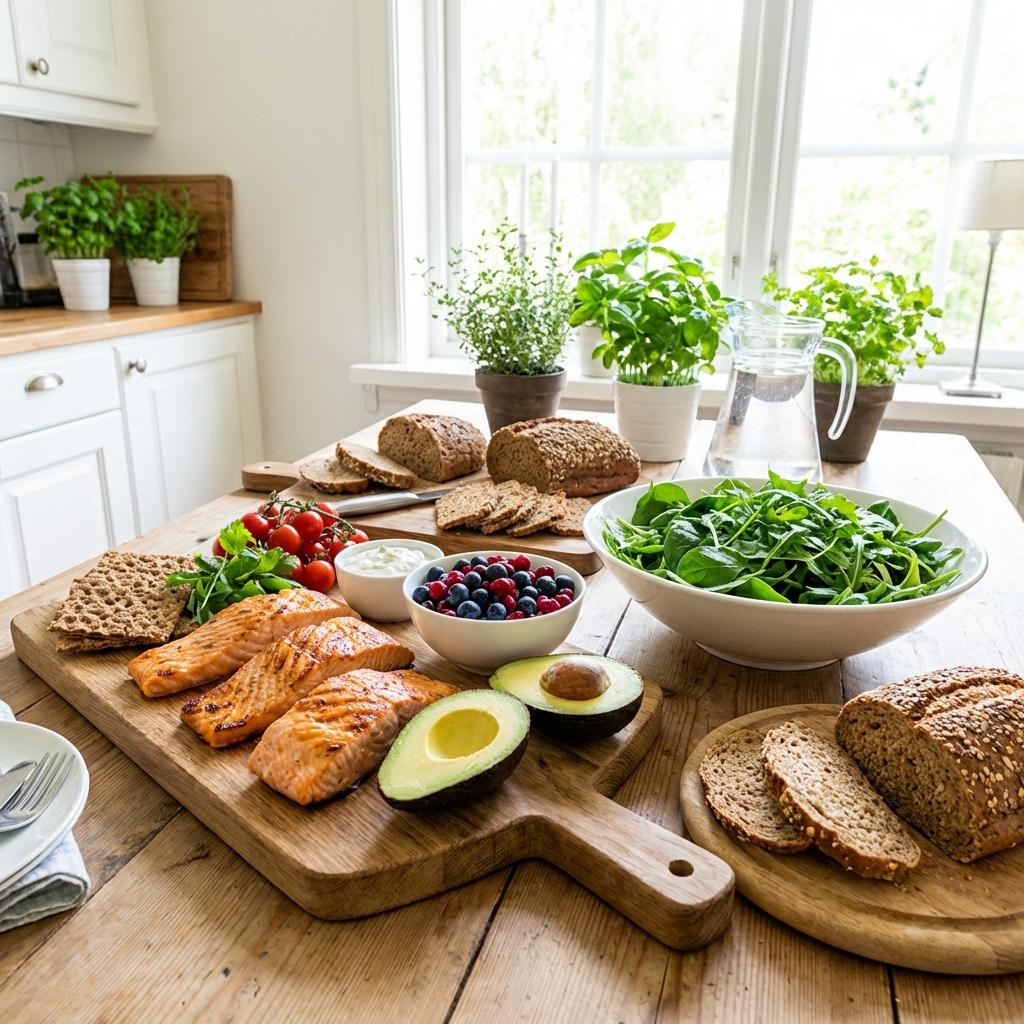
When you quit drinking, you naturally focus on what you're removing from your life: the alcohol, the hangovers, and the regrets. But what you add to your life—specifically to your plate—is just as critical for your recovery.
Nutrition is often the missing piece in the sobriety puzzle. Alcohol is a "antinutrient," meaning it not only provides empty calories but also blocks your body from absorbing essential vitamins and minerals. Years of drinking can leave you malnourished, even if you ate a reasonable diet.
The good news? Your body is incredibly resilient. By feeding it the right building blocks, you can accelerate your healing process, reduce cravings, repair your liver, and stabilize your mood. Here is your ultimate nutrition guide to supercharging your alcohol recovery.
1. Replenishing What Was Lost: The Essential Vitamins
Alcohol acts as a diuretic and damages the lining of the digestive tract, leading to significant nutrient deficiencies. The first step in nutritional recovery is restocking your body's reserves.
B Vitamins (Especially Thiamine/B1)
B vitamins are the first casualties of heavy drinking. Thiamine (Vitamin B1) is crucial for brain function and converting food into energy. A deficiency can lead to brain fog, fatigue, and in severe cases, neurological damage.
- Eat this: Whole grains, pork, fish, beans, lentils, green peas, sunflower seeds, and yogurt.
Magnesium
Magnesium is a natural relaxant. Alcohol depletes magnesium stores, which contributes to the anxiety, insomnia, and muscle cramps many experience in early sobriety.
- Eat this: Spinach, pumpkin seeds, almonds, dark chocolate, black beans, and avocado.
- Tip: Learn more about how minerals affect your rest in our guide on sleep problems after quitting alcohol.
Zinc
Zinc supports your immune system and helps metabolize alcohol (which your liver is still clearing out). It also plays a role in reducing anxiety.
- Eat this: Oysters, beef, pumpkin seeds, lentils, and chickpeas.
Not sure which app to use? We compared the top sobriety apps to make choosing easier.
2. Foods for Liver Repair
Your liver takes the hardest hit from alcohol, but it is also the only organ capable of regenerating itself. You can support this miraculous process with specific foods.
Cruciferous Vegetables
Broccoli, Brussels sprouts, and cauliflower contain compounds that increase the liver's natural detoxification enzymes.
Berries
Blueberries and cranberries are packed with antioxidants called anthocyanins, which have been shown to protect the liver from damage and reduce inflammation.
Fatty Fish
Salmon, sardines, and mackerel are rich in Omega-3 fatty acids, which reduce fat buildup in the liver and fight inflammation.
- Related: Check out the full liver recovery timeline to see how your body heals week by week.
3. Balancing Blood Sugar to Beat Cravings
Have you noticed intense sugar cravings since you quit? You're not alone. Alcohol converts to sugar in the body, and when you remove it, your blood sugar levels can become erratic, leading to mood swings and "hangry" outbursts that can trigger a relapse.
The key is to stabilize your blood sugar by pairing carbohydrates with protein and healthy fats.
-
Avoid: sugary snacks and white bread alone. They cause a spike and crash.
-
Choose: Complex carbs (oats, quinoa, sweet potatoes) paired with protein (eggs, chicken, tofu).
-
Deep Dive: Read our article on why you crave sugar after quitting alcohol for more strategies.
4. Healing Your Gut (The Second Brain)
Alcohol disrupts the delicate balance of bacteria in your gut, leading to inflammation that can affect your mood and mental health via the "gut-brain axis." Rebuilding your microbiome is essential for emotional stability.
-
Probiotics: Yogurt, kefir, sauerkraut, kimchi, and kombucha add beneficial bacteria to your gut.
-
Prebiotics: Garlic, onions, bananas, and asparagus provide the "food" for those good bacteria to thrive.
-
Learn more: We have a complete guide on gut health and microbiome recovery.
5. Hydration: Beyond Just Water
Dehydration is chronic in heavy drinkers. While water is essential, you also need to replenish electrolytes to truly rehydrate your cells.
- Coconut Water: A natural source of potassium and electrolytes.
- Herbal Teas: Chamomile or peppermint tea can be soothing and hydrating.
- Bone Broth: Rich in minerals and amino acids that support gut healing.
6. Simple Meal Ideas for Early Sobriety
When you're navigating early recovery, you might not have the energy for gourmet cooking. Keep it simple.
- Breakfast: Greek yogurt with berries and a sprinkle of walnuts (Probiotics + Antioxidants + Omega-3s).
- Lunch: Quinoa salad with chickpeas, spinach, and lemon-tahini dressing (B Vitamins + Fiber + Magnesium).
- Dinner: Baked salmon with roasted broccoli and sweet potato (Liver support + Complex Carbs).
- Snack: Apple slices with almond butter (Stabilizes blood sugar).
Conclusion
Recovery isn't just about willpower; it's about biology. By fueling your body with nutrient-dense foods, you give your brain and organs the tools they need to repair the damage of the past.
You don't have to be perfect. Start by adding one liver-loving food or one B-vitamin-rich meal to your day. Treat your body with the kindness and nourishment it has been missing, and you'll find that the road to recovery becomes a little smoother, a little clearer, and a lot more energetic.
"Let food be thy medicine and medicine be thy food." — Hippocrates
Remember: This guide is for informational purposes only. Always consult with a healthcare professional or dietician before making significant changes to your diet, especially in early recovery.