You stop drinking and begin noticing how you feel on a flight of stairs. Perhaps breathing feels easier. Perhaps it does not, and you wonder whether your lungs need more time to recover. The difficulty is that breathlessness has many causes, and an alcohol-free day count cannot identify which one applies.
Heavy alcohol use can affect the lungs, particularly their defenses against infection. That does not give us a universal lung-healing timetable after quitting. The useful distinction is between reducing an ongoing exposure, treating a specific breathing problem, and claiming that all existing damage will reverse.
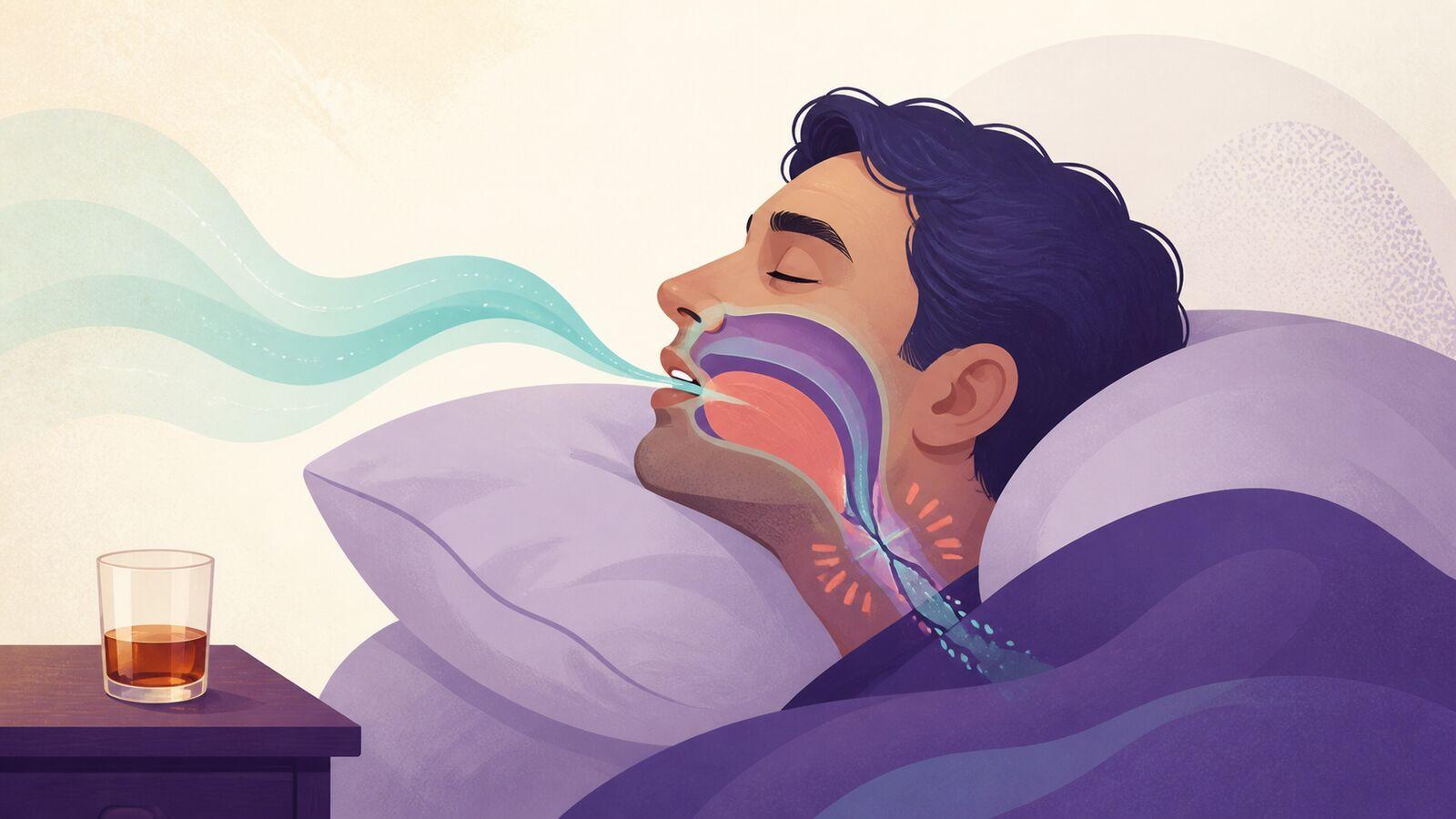
This article focuses on lung defenses and respiratory symptoms. Nighttime airway obstruction is a separate question covered in our alcohol, snoring, and sleep apnea guide.
What research connects alcohol with lung health?
Reviews of alcohol-related lung disease describe associations between heavy drinking or alcohol use disorder and greater susceptibility to respiratory infections and serious lung injury. Researchers examine effects on immune cells, airway clearance, and the barriers that normally help keep fluid and infection out of the air spaces.
The NIAAA review on lung health and immunity explains these processes. Much of the detailed biological work involves laboratory or animal models, alongside clinical observations. Those lines of evidence are useful together, but they are not interchangeable with a trial measuring exactly how a person's breathing changes after a week without alcohol.
The population matters too. Findings from people with sustained heavy alcohol use should not be presented as a prediction that every occasional drink causes a measurable loss of lung function. Equally, the absence of obvious symptoms does not establish that heavy drinking has no respiratory consequences.
Our alcohol and immune-system article covers the wider immune context. Here the central point is that lung health includes protection against infection, not just how much air you can move during a workout.
Aspiration and infection are different from ordinary breathlessness
Aspiration means material such as vomit, food, or liquid enters the airway. Severe intoxication can impair protective responses and increase that risk. This is an acute problem, not a normal stage of healing after quitting.
Alcohol-related changes in immune defenses are a different pathway. They can make it harder for the lungs to respond effectively to infection. The review Alcohol and the Lung discusses both aspiration and impaired defenses in the context of alcohol use disorder.
Neither mechanism means you can recognize alcohol-related lung disease from a symptom checklist. Cough, wheezing, fever, and shortness of breath can occur for many reasons. A clinician considers the history, examination, and any appropriate testing rather than attributing them to alcohol by timing alone.
If someone is difficult to wake or is breathing abnormally after drinking, seek emergency help. That situation calls for immediate assessment, not a recovery tracker or a plan to sleep it off.
Why a drink can seem connected to a breathing symptom
The timing of a symptom can be useful information. It is not proof of its cause. A person might notice coughing after an evening meal with drinks, wheezing after a particular beverage, or breathlessness during a period of anxiety. The appropriate next step depends on the symptom itself and the medical history.
Alcohol can also coexist with smoking, poor sleep, deconditioning, and other factors that affect how exertion feels. If several things change when you stop drinking, you cannot assign every improvement or setback to the lungs.
Record the specific observation instead of a conclusion. “Wheezing after wine on two evenings” is more useful than “alcohol damaged my lungs.” “More breathless on the same stairs than last month” is more useful than “detox is taking too long.”
Do not deliberately drink again to test a suspected breathing reaction. Describe the pattern to a clinician, particularly if you have asthma or another respiratory condition. Keep prescribed treatment in place unless the prescriber changes it.
What quitting can change, and what it cannot promise
Stopping drinking removes further alcohol exposure. It may also help you follow treatment, sleep more consistently, or change other routines. Those are worthwhile changes, but they should not be packaged as a guaranteed number of days until lung function returns to normal.
There is no single timeline that covers someone without diagnosed lung disease, someone recovering from pneumonia, and someone with established smoking-related damage. The diagnosis, severity, other exposures, and treatment all matter.
Quitting alcohol does not replace antibiotics when they are indicated, prescribed inhalers, or management of another lung condition. It does not establish that scarring or chronic airflow limitation will reverse. If breathing is not improving, the answer is not automatically to wait for another sobriety milestone.
The broader organ-by-organ guide describes why different systems can change on different schedules. For breathing, useful expectations should come from the condition being treated, not a generic recovery chart.
Track function without turning it into a home diagnostic test
A simple record can help you explain changes at an appointment. Note when a symptom began, whether it happens at rest or with activity, and whether it accompanies cough, fever, chest discomfort, or wheezing. Include smoking history and any recent infection or medication change.
For everyday function, describe an ordinary activity you already do. You might note whether the same walk feels easier or whether you have to pause on familiar stairs. Do not push through breathlessness to create a score, and do not use an app milestone as clearance for strenuous exercise.
Sober Tracker can record alcohol-free time and notes about how you feel. That helps keep the dates straight. It does not measure lung function or determine whether a respiratory symptom is safe.
A useful log stays brief. If you keep checking your breathing and the checking itself becomes distressing, reduce the monitoring and discuss the symptom directly. More entries do not necessarily produce a clearer answer.
Practical steps that support the next decision
If you already have a lung diagnosis, continue its treatment plan and tell the clinician about your alcohol history. Accurate information helps them interpret risks and symptoms. It is relevant medical context, not a moral label.
Avoid smoke exposure and get help with smoking cessation if that is another change you want to make. Keep ordinary nutrition and sleep routines in place, and return to activity according to your symptoms and any clinical advice. A “lung detox” supplement is not a substitute for evaluating a breathing problem.
If you have been drinking heavily and may be physically dependent, arrange medical advice about stopping safely. Alcohol withdrawal can require treatment. New breathlessness during that period should be assessed on its own merits rather than assumed to be an expected withdrawal symptom.
You can make an alcohol change and seek respiratory care at the same time. There is no need to finish a self-imposed waiting period before asking about a persistent cough or declining exercise tolerance.
When to seek medical help
Severe or sudden difficulty breathing, chest pain, coughing blood, confusion, or blue or grey lips warrants urgent medical attention. Do not attribute an acute episode to anxiety, withdrawal, or recovery without assessment.
Arrange an appointment for persistent or worsening breathlessness, a cough that is not settling, recurrent chest infections, or symptoms that limit ordinary activity. Mention symptoms at rest, nighttime symptoms, and any change from your usual baseline.
If you are already being treated for an infection and symptoms worsen, follow the escalation advice you were given. The fact that you have stopped drinking is beneficial context; it does not remove the need for treatment review.
Heavy alcohol use can weaken respiratory defenses, and stopping removes that ongoing exposure. The honest recovery question is specific: what condition is present, what treatment is needed, and how is function changing? Answering those questions is more useful than promising that the lungs reset on a particular day.
This article is for general information and does not replace individualized medical advice.