यह अक्सर आधी रात को शुरू होता है। पैर के अंगूठे में एक गर्म, धड़कता हुआ दर्द, इतना तीव्र कि चादर का वजन भी असहनीय लगता है। सुबह तक जोड़ सूज जाता है, लाल और चमकीला हो जाता है, और चलना तो सवाल ही नहीं। जिसे भी गाउट का दौरा पड़ा है, वह अपने पहले दौरे को असाधारण स्पष्टता से याद रखता है, आंशिक रूप से दर्द के कारण और आंशिक रूप से समय के कारण: यह अक्सर एक लंबे रात्रिभोज, कुछ ज़्यादा बीयर, या एक ऐसे सप्ताहांत के अगली रात आता है जो थोड़ा हद से आगे बढ़ गया हो।
यह समय संयोग नहीं है। गाउट चिकित्सा की सबसे शराब-संवेदनशील स्थितियों में से एक है, और शराब पीने की रात और एक दिन बाद के दौरे के बीच का संबंध जीवनशैली चिकित्सा में जितना कारण-और-परिणाम के करीब हो सकता है, उतना ही करीब है। फिर भी यह रिश्ता "शराब गाउट के लिए बुरी है" से कहीं ज़्यादा परतदार है। कुछ पेय दूसरों से कहीं ज़्यादा नुकसानदेह हैं। छोड़ना ज़्यादातर लोगों की भारी मदद करता है, लेकिन हमेशा उस दिशा में नहीं जिसकी वे पहले कुछ हफ्तों में उम्मीद करते हैं। और शराब उस स्थिति में सिर्फ एक लीवर है जिसका एक मज़बूत आनुवंशिक घटक है जिसे कोई भी जीवनशैली बदलाव पूरी तरह से नहीं बदल सकता।
यहां बताया गया है कि शराब वास्तव में यूरिक एसिड और जोड़ों के साथ क्या करती है, बीयर जोखिम सूची में सबसे ऊपर क्यों बैठती है, शराब पीने के आसपास दौरे की समयरेखा कैसी दिखती है, और जब आप रुकते हैं तो वास्तव में क्या बदलता है।
गाउट असल में है क्या
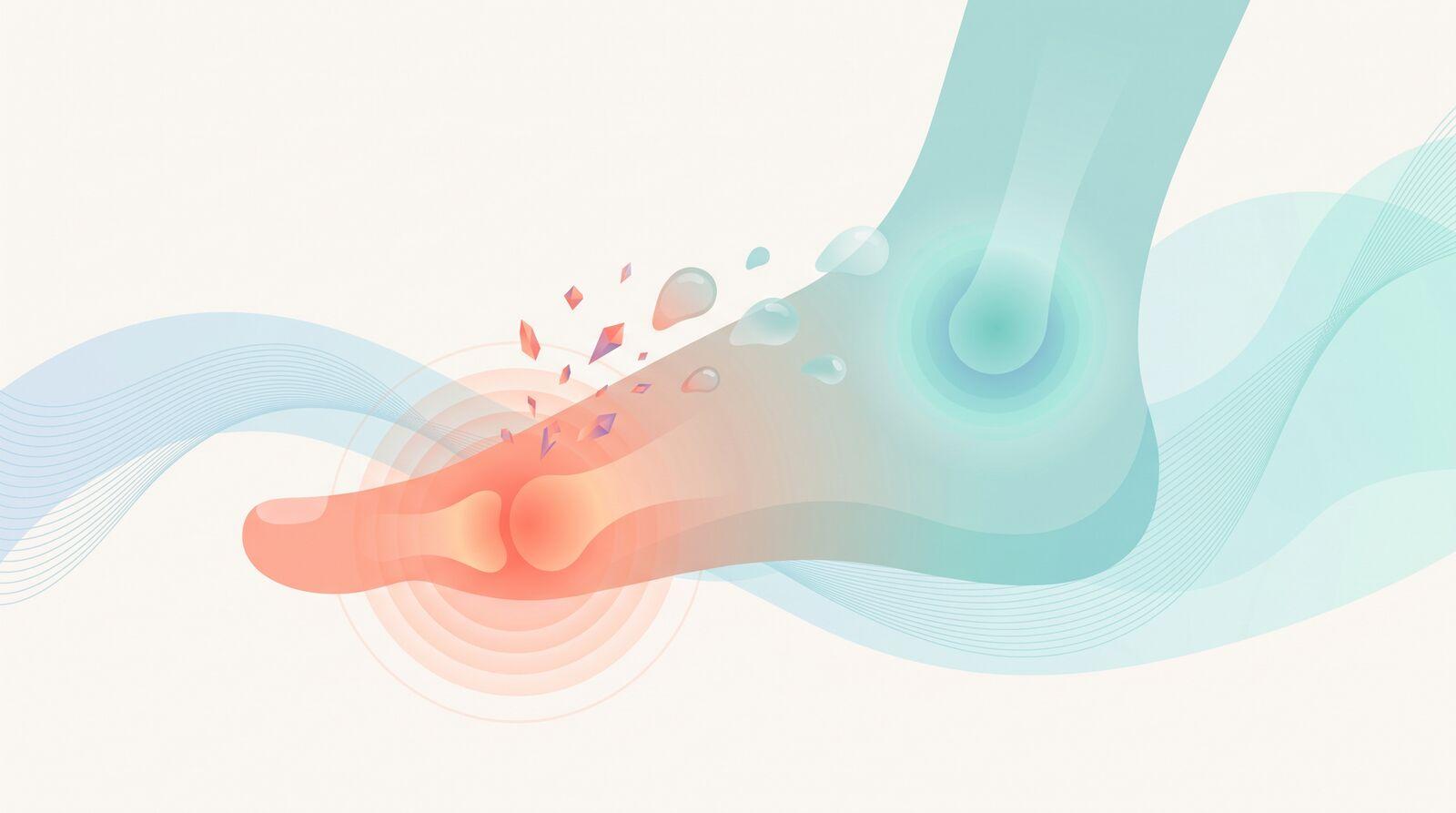
गाउट क्रिस्टल के कारण होने वाला एक प्रकार का गठिया (आर्थराइटिस) है। खास तौर पर, जब रक्त में बहुत ज़्यादा यूरिक एसिड होता है, तो यह घोल से बाहर आकर मोनोसोडियम यूरेट के तीखे, सुई जैसे क्रिस्टल बना सकता है। ये क्रिस्टल जोड़ों में जम जाते हैं, सबसे मशहूर रूप से पैर के अंगूठे के आधार पर, लेकिन टखनों, घुटनों, उंगलियों और कोहनियों में भी। प्रतिरक्षा तंत्र इन क्रिस्टलों को हमलावर मानकर एक भयंकर सूजन-प्रतिक्रिया शुरू कर देता है। वही प्रतिक्रिया दौरा है: वह गर्मी, वह सूजन, वह लालिमा, और वह दर्द जिसे लोग टूटी हड्डी से भी बदतर बताते हैं।
यूरिक एसिड खुद एक सामान्य अपशिष्ट उत्पाद है। यह प्यूरीन के टूटने से बनता है, जो DNA के निर्माण खंड हैं और आपकी अपनी कोशिकाओं तथा आपके खाए हुए भोजन दोनों में पाए जाते हैं। आपका शरीर लगातार यूरिक एसिड बनाता है, और आपकी किडनी उसका ज़्यादातर हिस्सा मूत्र में निकाल देती हैं। गाउट तब होता है जब यह संतुलन बिगड़ जाता है: या तो आप बहुत ज़्यादा यूरिक एसिड बनाते हैं, या आपकी किडनी बहुत कम निकालती हैं, या दोनों। रक्त में इस बढ़े हुए स्तर का चिकित्सा नाम हाइपरयूरिसीमिया है, और यह गाउट के लिए ज़रूरी पृष्ठभूमि स्थिति है। ऊंचे यूरिक एसिड वाले हर व्यक्ति को गाउट नहीं होता, लेकिन इसके बिना किसी को गाउट नहीं होता।
यह इसलिए मायने रखता है क्योंकि शराब एक ही समय में संतुलन के दोनों पक्षों पर दबाव डालती है। यह यूरिक एसिड का उत्पादन बढ़ाती है और यूरिक एसिड की निकासी घटाती है। आधुनिक आहार में बहुत कम चीज़ें एक साथ दोनों काम करती हैं, यही वजह है कि शराब इतना भरोसेमंद ट्रिगर है।
अगर आप अभी भी ऐप चुन रहे हैं, तो हमारी बेहतरीन सोब्रायटी ऐप्स की तुलना ज़रूर देखें।
तीन तरीके जिनसे शराब यूरिक एसिड बढ़ाती है
1. यह किडनी को यूरिक एसिड निकालने से रोकती है
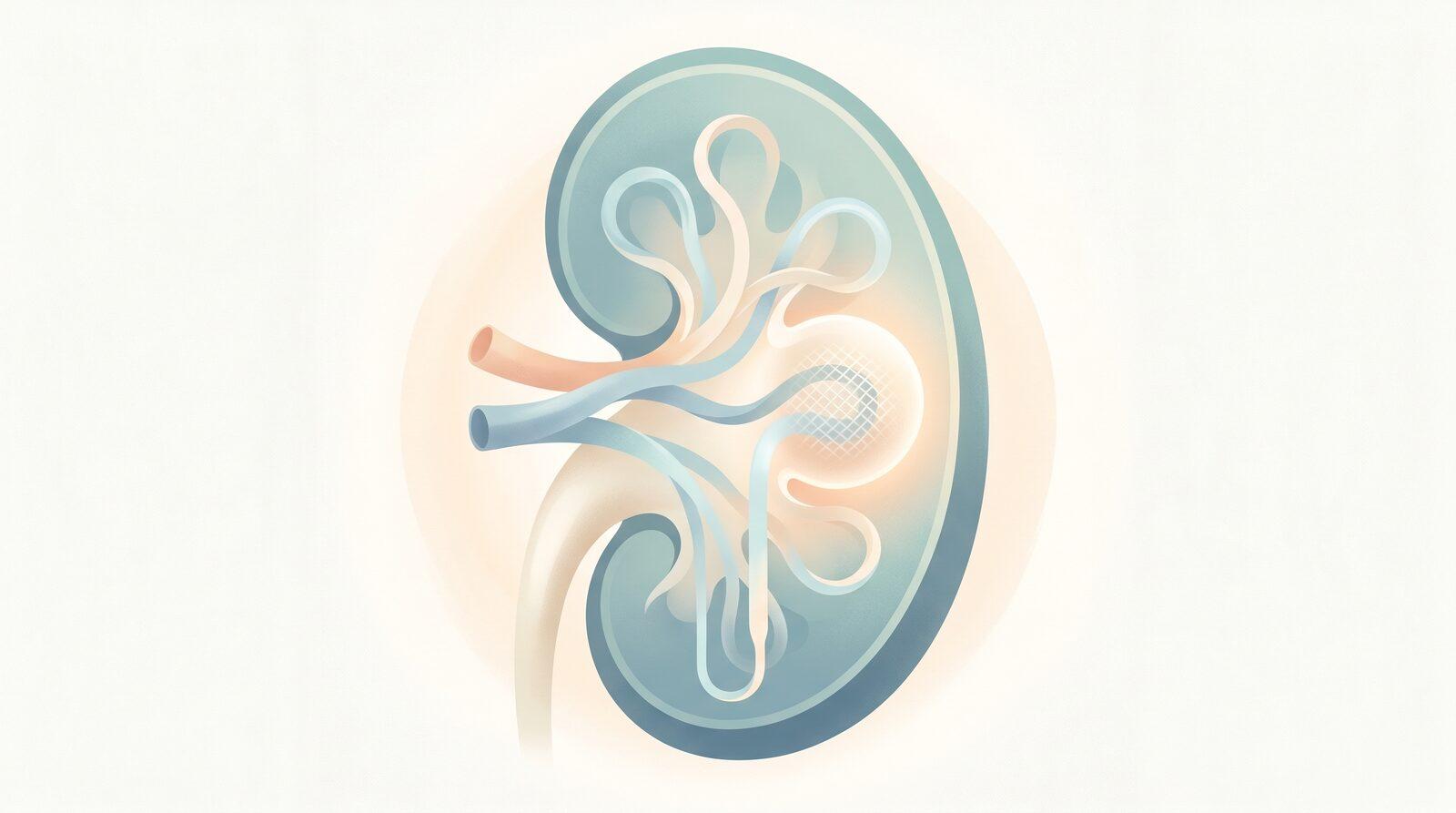
जब आप पीते हैं, तो आपका शरीर शराब को लैक्टिक एसिड में बदल देता है। किडनी और यूरिक एसिड के उत्सर्जन का रास्ता एक ही ट्रांसपोर्टर साझा करते हैं, और लैक्टिक एसिड असल में उसके लिए होड़ जीत लेता है। नतीजा यह होता है कि जब तक शराब आपके शरीर में है, आपकी किडनी यूरिक एसिड को बाहर निकालने के बजाय उसे रोके रखती हैं। रक्त स्तर घंटों के भीतर चढ़ जाता है। यह सबसे तेज़ और सबसे सीधा तंत्र है, और यह किसी भी तरह की शराब के साथ काम करता है, बीयर से लेकर वाइन तक और स्पिरिट्स तक।
किडनी शराब का बहुत सारा छिपा हुआ बोझ उठाती है, और यूरिक एसिड का प्रबंधन उसका सबसे स्पष्ट उदाहरणों में से एक है। वही अंग जो चुपचाप दिन में 60 बार आपका रक्त छानता है, हर पीने वाली रात उसे कहा जाता है कि वह आपके सबसे दर्दनाक अपशिष्ट उत्पादों में से एक को निकालना बंद कर दे।
2. बीयर सीधे प्यूरीन का बोझ देती है
बीयर गाउट के लिए विशेष रूप से बुरी है, और इसकी वजह है प्यूरीन। बीयर ब्रुअर्स यीस्ट से बनाई जाती है, जिसमें गुआनोसिन नामक एक प्रकार का प्यूरीन बेहद ज़्यादा होता है। बीयर पीना असल में यूरिक एसिड के लिए अतिरिक्त कच्चा माल सीधे आपके शरीर में उड़ेलना है, उस निकासी की समस्या के ऊपर जो शराब पहले से ही पैदा करती है। यही वजह है कि महामारी विज्ञान इतना सुसंगत है: बीयर पीने वालों में वाइन पीने वालों की तुलना में गाउट का जोखिम काफी ज़्यादा होता है, और यह जोखिम हर रोज़ाना सर्विंग के साथ बढ़ता जाता है।
स्पिरिट्स बीच में बैठती हैं। इनमें शराब का निकासी रोकने वाला असर होता है पर बीयर जैसा प्यूरीन बोझ नहीं, इसलिए जोखिम असली तो है पर कम। ज़्यादातर अध्ययनों में वाइन तीनों में सबसे नरम है, इस हद तक कि हल्की वाइन का सेवन दौरों से कमज़ोर संबंध दिखाता है, हालांकि "सबसे नरम" का मतलब "सुरक्षित" नहीं है जब आपको पहले से ही गाउट हो।
3. निर्जलीकरण सब कुछ गाढ़ा कर देता है
शराब एंटीडाययूरेटिक हार्मोन को दबा देती है, इसलिए जब आप पीते हैं तो आप जितना पानी लेते हैं उससे ज़्यादा खो देते हैं। निर्जलीकरण रक्त को गाढ़ा कर देता है, जिससे यूरिक एसिड की प्रभावी सांद्रता बढ़ जाती है और क्रिस्टल बनने की संभावना बढ़ जाती है। यह मूत्र को भी गाढ़ा कर देता है, जो यूरिक एसिड की किडनी की पथरी का एक जाना-माना ट्रिगर है, एक सहचर समस्या जो गाउट वाले कई लोग भी विकसित कर लेते हैं। भारी रात के बाद रात 4 बजे की प्यास वही शरीरक्रिया है जो अंगूठे के दर्द की नींव रखती है।
इन तीनों को एक साथ रखिए और तस्वीर साफ है। बीयर से भरी एक रात यूरिक एसिड की निकासी रोकती है, तंत्र में प्यूरीन की बाढ़ ला देती है, और आपको निर्जलित कर देती है, सब एक ही साथ। अगले दिन का दौरा दुर्भाग्य नहीं है। यह अंकगणित है।
शराब पीने के आसपास दौरे की समयरेखा
गाउट के दौरे शराब पीने के बाद काफी हद तक एक अनुमानित समय-सारिणी के अनुसार आते हैं, जो इस संबंध को इतनी आसानी से महसूस किए जाने का एक कारण है।
घंटों के भीतर। यूरिक एसिड बढ़ने लगता है क्योंकि किडनी उसे निकालना बंद कर देती हैं और, बीयर के साथ, प्यूरीन का बोझ आ जाता है। आपको अभी कुछ महसूस नहीं होगा।
12 से 48 घंटे बाद। यह क्लासिक दौरे की खिड़की है। यूरिक एसिड चरम पर पहुंच चुका है और, एक संवेदनशील जोड़ में, क्रिस्टल बन चुके हैं या मौजूदा जमावों से झड़ चुके हैं, और प्रतिरक्षा प्रतिक्रिया भड़क उठी है। शराब से भड़के ज़्यादातर दौरे पीने वाले सत्र की अगली रात या दूसरी रात को अपनी घोषणा कर देते हैं। पैर का अंगूठा हस्ताक्षर स्थल है, पर टखना और घुटना भी आम हैं।
कई दिन। एक बिना इलाज वाला दौरा आम तौर पर तीन से दस दिनों में अपना रास्ता पूरा करता है, जिसमें सबसे बुरा दर्द पहले एक-दो दिन में होता है। सबसे तीखा दर्द फीका पड़ने के बाद भी जोड़ काफी देर तक कोमल और सूजा रहता है।
एक बार जब आपको कुछ दौरे पड़ चुके हों, तो यह समयरेखा इतनी पहचानने योग्य हो जाती है कि कई लोग एक रात पहले से ही दौरे की भविष्यवाणी कर सकते हैं। वह अनुमेयता ही ठीक वह वजह है कि गाउट उन स्थितियों में से एक है जहां शराब कम करना ऐसा दृश्यमान, व्यक्तिगत प्रमाण देता है।
एक विरोधाभासी बात: छोड़ने के तुरंत बाद दौरे बढ़ सकते हैं
यहां वह हिस्सा है जो लोगों को चौंका देता है और जिसका बहुत कम लेख ईमानदारी से ज़िक्र करते हैं। जब आप अपने यूरिक एसिड स्तर में अचानक, बड़ा बदलाव लाते हैं, चाहे ऊपर हो या नीचे, तो आप एक दौरा भड़का सकते हैं। यूरिक एसिड में कोई भी तेज़ हलचल मौजूदा जोड़ों के जमावों से क्रिस्टलों को ढीला कर सकती है, और प्रतिरक्षा तंत्र मुक्त हुए क्रिस्टलों पर प्रतिक्रिया करता है।
यह गाउट की दवाओं के साथ अच्छी तरह ज्ञात है: एलोप्यूरिनॉल जैसी यूरिक-एसिड-घटाने वाली दवा शुरू करना पहले हफ्तों में मशहूर तौर पर दौरे भड़काता है, यही वजह है कि डॉक्टर अक्सर बढ़ोतरी के दौरान साथ में एक सूजन-रोधी दवा भी लिखते हैं। यही सिद्धांत एक नाटकीय जीवनशैली बदलाव पर भी लागू हो सकता है। अगर आप अचानक शराब छोड़ देते हैं और आपका यूरिक एसिड तेज़ी से गिरता है, तो शुरुआती हफ्तों में आपको एक-दो दौरे पड़ सकते हैं भले ही आप दीर्घकाल के लिए बिल्कुल सही काम कर रहे हों।
गलती उस शुरुआती दौरे को इस प्रमाण के रूप में पढ़ना है कि छोड़ना "काम नहीं आया" या "और बिगाड़ दिया।" यह इसके उलट है। यह जोड़ों से बाहर निकलते क्रिस्टलों का संकेत है, जो अंतर्निहित जमावों को साफ करने का हिस्सा है। जैसे-जैसे महीने बीतते हैं, दौरे कम होते जाते हैं और और अधिक फासले पर आते हैं। अगर शुरुआती दौरे बार-बार या गंभीर हों, तो यह डॉक्टर से बात करने का विषय है, जो इस संक्रमण को दवा से संभाल सकते हैं बजाय आपको अकेले सहने के लिए छोड़ने के।
रुकने पर वास्तव में क्या ठीक होता है
संक्रमण के बाद, दीर्घकालिक तस्वीर सचमुच अच्छी है, क्योंकि शराब उन कुछ गाउट ट्रिगर्स में से एक है जिसे आप पूरी तरह हटा सकते हैं।
पहले कुछ हफ्तों के भीतर। आपके यूरिक एसिड के उछालों का सबसे बड़ा रोज़ाना चालक चला गया है। अब आप हर पीने वाली रात निकासी नहीं रोक रहे, अब बीयर से प्यूरीन का बोझ नहीं जोड़ रहे, और अब लगातार निर्जलित नहीं चल रहे। आधारभूत यूरिक एसिड जमने लगता है। कुछ लोग पीने वाली रातों के रुकते ही लगभग तुरंत कम रात्रिकालीन दौरे महसूस करते हैं।
एक से तीन महीनों के भीतर। रिकवरी में कई लोग रुकने के हफ्तों से लेकर एक-दो महीनों के भीतर स्पष्ट रूप से कम और कम गंभीर दौरों की रिपोर्ट करते हैं। जो उछाल पहले भरोसेमंद रूप से सप्ताहांतों के बाद आते थे, वे बस आना बंद कर देते हैं। बेहतर हाइड्रेशन के साथ मिलकर, यूरिक एसिड की पथरी बनने की संभावना भी कम हो जाती है।
लंबे समय में। यूरिक एसिड के कम और स्थिर चलने के साथ, मौजूदा क्रिस्टल जमाव (उन्नत मामलों में जिन्हें टोफी कहते हैं) धीरे-धीरे घुल जाते हैं, और जोड़ों में नए क्रिस्टल झड़ने की घटनाएं कम होती हैं। वह सूजन जो गाउट कई अन्य शराब-संबंधी समस्याओं के साथ साझा करता है, वह भी कम होती है। गाउट मूल रूप से एक सूजन संबंधी स्थिति है, और शराब छोड़ना पूरे शरीर की सूजन की आधार रेखा को घटाता है, सिर्फ यूरिक एसिड की संख्या को नहीं।
एक ईमानदार सीमा है जिसे साफ-साफ कहना ज़रूरी है। शराब छोड़ना आम तौर पर अपने आप यूरिक एसिड को सामान्य नहीं करेगा या गाउट को ठीक नहीं करेगा, क्योंकि गाउट का एक मज़बूत आनुवंशिक घटक है और किडनी का यूरिक एसिड को संभालने का तरीका काफी हद तक विरासत में मिलता है। आहार और शराब के बदलाव अकेले यूरिक एसिड को एक मामूली मात्रा तक ही हिलाते हैं, अक्सर उतना नहीं जितना स्थापित गाउट वाले किसी व्यक्ति में डॉक्टर जिस लक्ष्य स्तर का ध्येय रखते हैं। छोड़ना जो करता है वह है सबसे नियंत्रणीय उत्प्रेरक और सबसे भरोसेमंद दौरा ट्रिगर को हटा देना। कई लोगों के लिए यही बार-बार आने वाले, शराब से जुड़े हमलों और दुर्लभ हमलों के बीच का फर्क है। गंभीर या आनुवंशिक गाउट वाले लोगों के लिए, यह दवा का एक शक्तिशाली पूरक है, उसका विकल्प नहीं।
सबसे ज़्यादा जोखिम किसे
कुछ समूह शराब-गाउट के संबंध से औसत पीने वाले की तुलना में ज़्यादा प्रभावित होते हैं:
पुरुष, खासकर अधेड़ उम्र में। गाउट पुरुषों में कहीं ज़्यादा आम है, आंशिक रूप से इसलिए क्योंकि ऊंचा टेस्टोस्टेरोन और कम एस्ट्रोजन का मतलब है कि पुरुष वयस्क जीवन के ज़्यादातर हिस्से में ऊंचा यूरिक एसिड स्तर चलाते हैं। पुरुषों के स्वास्थ्य की तस्वीर और गाउट की तस्वीर काफी हद तक ओवरलैप करती हैं, और क्लासिक गाउट रोगी एक अधेड़ उम्र का पुरुष है जो नियमित रूप से बीयर पीता है।
नियमित बीयर पीने वाले। प्यूरीन का बोझ बीयर को साफ अंतर से सबसे ज़्यादा जोखिम वाली श्रेणी बना देता है। जो व्यक्ति ज़्यादातर सप्ताहांतों में कई बीयर पीता है, वह इस तंत्र का सबसे बुरा संस्करण चला रहा है।
जो लोग अधिक वजन वाले हैं या मेटाबॉलिक सिंड्रोम है। अतिरिक्त वजन, इंसुलिन प्रतिरोध, और उच्च रक्तचाप सभी स्वतंत्र रूप से यूरिक एसिड बढ़ाते हैं और उसकी निकासी घटाते हैं। शराब एक पहले से ही भरे हुए तंत्र के ऊपर और चढ़ जाती है।
कम किडनी क्रिया वाले लोग। अगर किडनी पहले से ही यूरिक एसिड कम कुशलता से निकाल रही हैं, तो शराब का निकासी-रोकने वाला असर और भी तीखा काटता है। यह एक और वजह है कि किडनी और गाउट की कहानियां इतनी आपस में गुंथी हुई हैं।
गाउट का पारिवारिक इतिहास रखने वाले लोग। विरासती घटक असली और मज़बूत है। अगर आपके परिवार में गाउट चलता है, तो शराब आपके लिए उस पृष्ठभूमि के बिना किसी व्यक्ति की तुलना में कहीं तीखा लीवर है।
छोड़ने के आगे व्यावहारिक ढेर
शराब कम करना अकेला सबसे ज़्यादा असर वाला कदम है, पर कुछ अन्य लीवर इसके साथ मिलकर और असर करते हैं:
लगातार हाइड्रेट रहें। पतला मूत्र और रक्त यूरिक एसिड को घोल में बनाए रखते हैं और किडनी को उसे निकालने में मदद करते हैं। पूरे दिन हल्के-पीले मूत्र का लक्ष्य रखें। यह छोड़ने के बाद शुरुआती हफ्तों में और भी ज़्यादा मायने रखता है।
अन्य प्यूरीन-भारी खाद्य पदार्थों पर नज़र रखें। अंग मांस (ऑर्गन मीट), कुछ समुद्री भोजन (एंकोवी, सार्डिन, मसल्स, स्कैलप्स), और बड़ी मात्रा में लाल मांस उसी प्यूरीन रास्ते से यूरिक एसिड बढ़ाते हैं जिससे बीयर बढ़ाती है। आपको इन्हें खत्म करने की ज़रूरत नहीं, पर भारी मात्रा मायने रखती है।
मीठे पेय कम करें। फ्रुक्टोज़, खासकर सोडा में मौजूद हाई-फ्रुक्टोज़ कॉर्न सिरप से, अपने अलग तंत्र से यूरिक एसिड बढ़ाता है। मीठे सोडा की जगह पानी लेना एक आसान जीत है जिसे कई लोग चूक जाते हैं क्योंकि उनका ध्यान सिर्फ शराब पर होता है।
अपना यूरिक एसिड मापवाएं। एक साधारण रक्त परीक्षण आपको ट्रैक करने के लिए एक असली संख्या देता है। अगर आप आंशिक रूप से गाउट के लिए शराब कम कर रहे हैं, तो कुछ महीनों बाद यूरिक एसिड फिर से जांचना पूरी मेहनत को एक उम्मीदभरे अनुमान के बजाय एक मापने योग्य प्रयोग में बदल देता है।
बार-बार आने वाले दौरों को अकेले न सहें। अगर दौरे आम हैं, अगर आपको दिखने वाली टोफी है, या अगर जीवनशैली बदलावों के बावजूद यूरिक एसिड ऊंचा बना रहता है, तो गाउट दवा से बहुत अच्छे से इलाज योग्य है। शराब घटाना और दवा साथ काम करते हैं; ये प्रतिस्पर्धी विकल्प नहीं हैं।
ईमानदार निष्कर्ष
गाउट आपको वह देता है जो ज़्यादातर शराब-संबंधी स्थितियां नहीं देतीं: तेज़, अचूक, व्यक्तिगत प्रतिक्रिया। किडनी और लिवर दशकों तक खामोश रहते हैं। गाउट आपको अगली रात बताता है, एक ऐसे जोड़ में जिसे आप नज़रअंदाज़ नहीं कर सकते। वह क्रूर स्पष्टता ही उसका उपहार भी है, क्योंकि यह शराब के संबंध को झुठलाना नामुमकिन और छोड़ने का फायदा महसूस करना आसान बना देती है।
शराब एक ही साथ तीन तरीकों से यूरिक एसिड बढ़ाती है, किडनी को रोककर, बीयर के ज़रिए प्यूरीन भरकर, और आपको निर्जलित करके, यही वजह है कि पीने वाली रात और एक दिन बाद का दौरा इतनी भरोसेमंदी से साथ चलते हैं। छोड़ना तीनों को उनके स्रोत पर हटा देता है। संक्रमण के दौरान आपको एक-दो दौरे पड़ सकते हैं जब क्रिस्टल गतिशील होते हैं, और यह प्रगति का संकेत है, नाकामी का नहीं। उसके बाद, ज़्यादातर लोग कम और नरम हमले देखते हैं, और अंतर्निहित जमाव धीरे-धीरे साफ होते हैं। शराब अपने आप एक आनुवंशिक रूप से चालित स्थिति को ठीक नहीं करेगी, पर यह वह एक ट्रिगर है जिसे आप पूरी तरह मिटा सकते हैं, और बहुत से लोगों के लिए यही अगले दौरे के इर्द-गिर्द व्यवस्थित जीवन और उस जीवन के बीच का फर्क है जहां दौरे एक दुर्लभ अचंभा बन जाते हैं।
क्योंकि गाउट के दौरे शराब के साथ इतने करीब से जुड़े होते हैं, यह उन स्थितियों में से एक है जहां शराब-मुक्त दिनों की गिनती ठोस प्रमाण में बदल जाती है। जब आप कुछ शांत हफ्तों के दौर को पीछे मुड़कर देख सकते हैं और उसे रात 3 बजे के अंगूठे के दर्द से रहित एक दौर के साथ मिला सकते हैं, तो यह संबंध अमूर्त नहीं रह जाता।
यह देखने के लिए कि आपके जोड़ों के साथ क्या होता है, शराब से एक ब्रेक ट्रैक कर रहे हैं? Sober Tracker एक निजी, बिना-खाते वाला स्ट्रीक काउंटर है जो ठीक इसी तरह के लंबे-खेल प्रयोग के लिए बनाया गया है। इसे अभी एक यूरिक एसिड परीक्षण और कुछ महीनों बाद एक दोबारा जांच के साथ जोड़ें।
यह लेख शैक्षिक है और चिकित्सा सलाह का विकल्प नहीं है। गाउट एक इलाज योग्य चिकित्सा स्थिति है; अगर आपको बार-बार दौरे पड़ते हैं, यूरिक एसिड ऊंचा है, या अपने पीने को लेकर चिंता है, तो किसी स्वास्थ्य सेवा प्रदाता से बात करें। लंबे समय तक भारी शराब पीने से अचानक निकासी खतरनाक हो सकती है और चिकित्सकीय देखरेख में होनी चाहिए।