The number on the lab printout is small and easy to miss. eGFR, 78. Just below the line that separates "normal" from "stage 2 chronic kidney disease." The doctor circles it, says "we'll watch this," mentions blood pressure and hydration, and moves on.
What rarely gets named in that visit is the four-glass dinners on weekends, the two beers most weeknights, the work travel where every flight ends in a couple of cocktails. Kidneys are the quietest organ in the body. They never hurt. They never warn. They just slowly lose function for decades, while the person who depends on them keeps doing the same things to them every weekend.
Alcohol is one of the most consistent, least-discussed strains on kidney function in the modern lifestyle stack. The damage is rarely dramatic. There is almost never a single drink that triggers a crisis. What there is, instead, is a slow erosion of filtering capacity that compounds with hypertension, with the liver's own struggles, and with age, until somebody in their sixties is told they have stage 3 CKD and nobody can quite say when it started.
Here is what alcohol actually does to the kidneys, where the danger sharpens, and what the recovery curve looks like once you stop.
What the Kidneys Are Actually Doing All Day
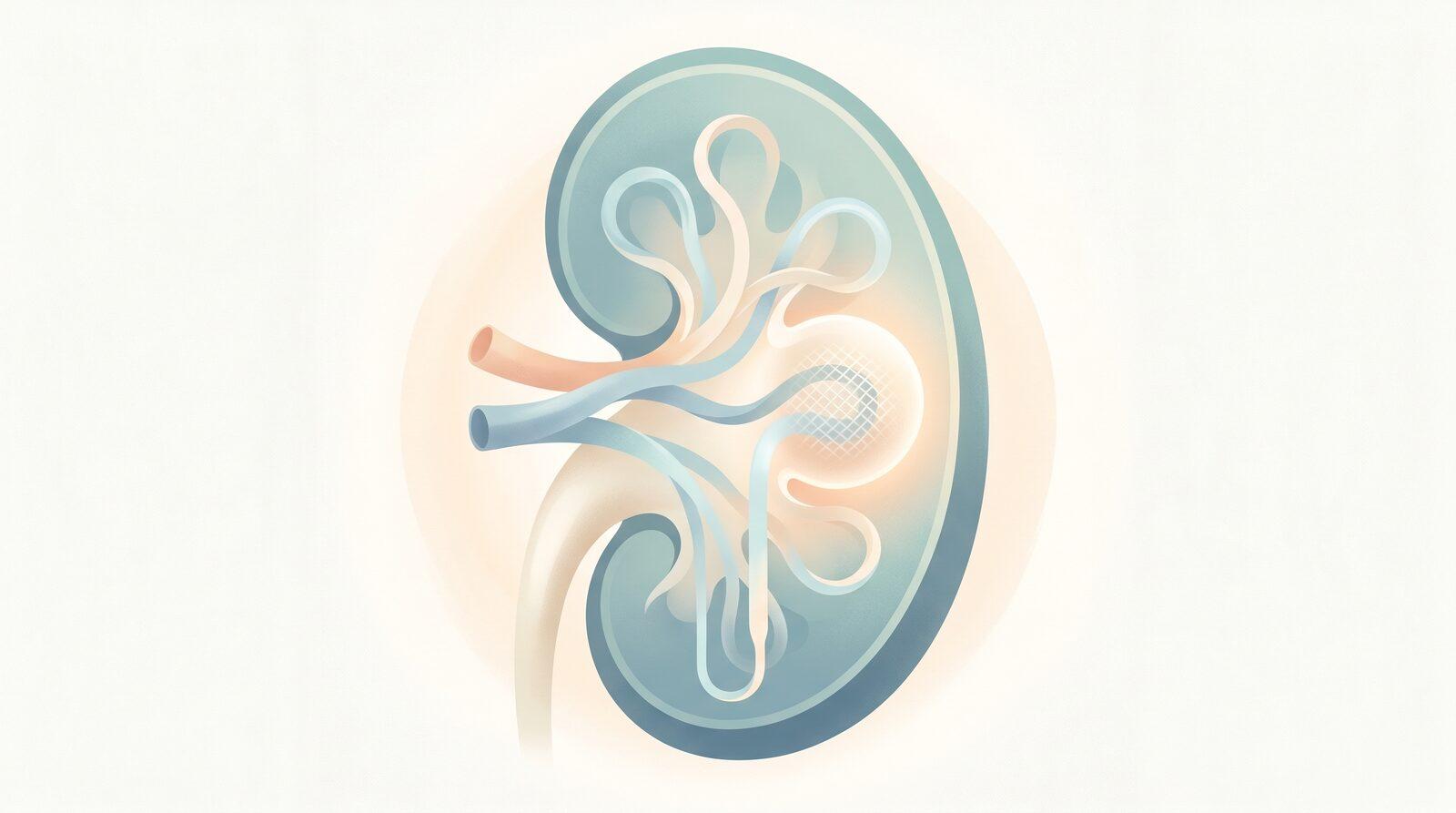
Most people picture the kidneys as filters, which is correct but undersells the workload. Each kidney holds about a million microscopic filtering units called nephrons. Together, the two kidneys process roughly 180 liters of blood every 24 hours. That is your entire blood volume, run through these filters, about 60 times a day.
What they do with all that blood is more than just removing waste. Three jobs run in parallel:
- Filter waste and excess water out of the blood, producing urine
- Balance electrolytes and acid-base chemistry so that sodium, potassium, calcium, and pH stay in tight ranges
- Regulate blood pressure through the renin-angiotensin system, and signal red blood cell production through erythropoietin
Every one of these jobs is sensitive to alcohol, and every one degrades when drinking is regular. The kidneys do not have the liver's regenerative capacity. Once nephrons are gone, they are gone. The remaining ones work harder to compensate, which speeds up their own wearout.
This is the architecture that makes the alcohol-kidney relationship slow, silent, and unforgiving over decades.
A free sobriety tracker app makes progress like this much easier to see, and our comparison guide breaks down which ones do it best.
The Five Ways Alcohol Wears Kidneys Down
1. Dehydration and ADH suppression
Alcohol blocks the release of antidiuretic hormone (ADH), the signal that tells the kidneys to hold onto water. Without ADH, the kidneys flush out more water than they take in. This is why one beer produces noticeably more than one beer's worth of urine, and why heavy drinking nights end in waking up parched at 4 a.m.
The kidneys are not built to operate in chronic mild dehydration. When they do, blood becomes more concentrated, glomerular filtration becomes more strained, and waste products accumulate at higher concentrations against the nephron walls. Over years, this is a measurable hit to filtering efficiency, even before any other mechanism gets involved.
2. Direct toxicity to nephron cells
Alcohol and its first metabolite, acetaldehyde, are directly toxic to the cells that line the nephron tubules. Studies of regular drinkers show measurable changes in tubular markers (NGAL, KIM-1) that indicate ongoing low-grade injury, even in people whose standard kidney panels still look "normal."
This is the same kind of slow-burn cellular damage alcohol causes in the liver, just less talked about because the kidneys do not announce it. The injury is dose-dependent, accumulates over years, and is one of the reasons heavy drinkers have measurably lower kidney function decades later, independent of blood pressure or diabetes.
3. The hypertension feedback loop
Alcohol reliably raises blood pressure, and high blood pressure is the second-leading cause of kidney failure in the developed world (after diabetes). The two effects compound viciously. Higher pressure damages the small arteries inside the kidney. Damaged kidneys stop regulating blood pressure as well. Pressure climbs further. More vessels are damaged. The loop runs in one direction.
For a closer look at the BP side of this loop, the alcohol and blood pressure post walks through the dose-response math and the masked overnight readings that drinkers rarely catch. The renal damage is the back-end of that same problem. Anyone whose blood pressure is creeping up while drinking regularly is also, in slow motion, losing kidney function.
4. The hepatorenal axis
The liver and kidneys share a tight functional partnership, and alcohol is harder on the liver than almost any organ. As the liver struggles, the kidneys end up handling more of the workload they used to share. They also become exposed to a different chemical environment: more inflammation, more bile-acid imbalance, and in advanced cases, the cascade known as hepatorenal syndrome, where failing liver function directly causes the kidneys to shut down.
Most people who drink will never reach that endpoint. But the milder version of the same physiology, mild liver stress producing mild extra kidney load, runs in many regular drinkers and contributes to slow filtration decline. The liver recovery timeline post covers the upstream side of this axis. The kidneys benefit on a parallel curve once the liver stops being chronically stressed.
5. Electrolyte and acid-base chaos
Alcohol disrupts almost every electrolyte the kidneys care about. It wastes magnesium, depletes potassium, throws off phosphate, and forces the kidneys to do extra work to maintain blood pH against a steady alcohol-driven acid load. People who drink heavily often run mildly low magnesium and potassium for years, which the kidneys quietly compensate for by adjusting their handling of other minerals, including calcium.
The result is a system running in a permanently corrected state, instead of a relaxed default. Over time, that extra work shows up as faster nephron loss.
Acute vs Chronic: The Two Faces of Alcohol-Related Kidney Damage
Alcohol can hurt kidneys two ways, on two timescales, and the difference matters.
Acute kidney injury (AKI) from binges. A single heavy drinking session, especially combined with vomiting, diarrhea, or skipped meals, can drop kidney function sharply within 24 to 48 hours. Severe dehydration shrinks blood volume. Rhabdomyolysis (muscle breakdown from a fall, a long sleep in an awkward position, or a seizure) floods the kidneys with myoglobin, which is directly toxic to nephrons. Pancreatitis triggered by drinking adds a separate inflammatory hit. Most of these AKI episodes recover with hydration and time. Some leave permanent scarring on the nephron count.
Chronic kidney disease (CKD) from regular use. This is the slow path most regular drinkers are actually on. Years of mild dehydration, mild tubular toxicity, slowly rising blood pressure, and a stressed liver compound into a measurable drop in filtration rate that shows up on lab work in the forties and fifties. By stage 2 (eGFR 60-89), most people have no symptoms. By stage 3 (eGFR 30-59), fatigue, fluid retention, and lab abnormalities become harder to ignore. The drift between stages is decades. The decisions that drove the drift were also decades, and they were almost all repeatable lifestyle choices.
The dangerous combination is people who do both: a regular weekly drinking pattern that drives chronic damage, plus periodic heavy nights that cause acute injury on top. Each AKI episode chips a permanent piece off the chronic baseline.
Kidney Stones: The Underrated Drinking Risk
Alcohol raises the risk of kidney stones through several mechanisms at once. Dehydration concentrates urine, which is the single biggest stone-forming condition. Alcohol also raises uric acid (especially beer, because of its high purine content) and disrupts calcium handling.
People who drink beer regularly have measurably higher rates of uric acid stones. People who drink any alcohol regularly have higher rates of calcium oxalate stones, the most common type. The pattern is reliable enough that nephrologists routinely ask about alcohol intake when working up a stone-forming patient.
The pain of passing a stone is famously among the worst pain experiences in human medicine. It is also one of the more straightforwardly preventable forms of kidney trouble, and alcohol reduction is one of the highest-leverage moves in the prevention stack.
Who Carries the Most Risk
Five groups carry meaningfully more renal risk from alcohol than the average drinker:
People with hypertension. The BP-kidney loop runs hot. Every drink is essentially a small kidney-pressure event in someone whose pressure is already pushing against vessel walls.
People with diabetes or prediabetes. Diabetes is the single largest driver of CKD. Alcohol's effect on insulin sensitivity and blood-sugar variability stacks with the underlying renal damage diabetes is doing.
People over 60. Kidney function naturally drops about 1 percent a year after age 40. Alcohol accelerates that drop by an additional 0.5 to 1 percent a year in regular drinkers. Compounded over decades, this is the difference between aging into normal kidney function and aging into stage 3 CKD.
People with a single kidney, or with congenital kidney conditions. The remaining filtering capacity is smaller, and the margin for cumulative damage is smaller too.
People on chronic NSAIDs. Ibuprofen and naproxen are themselves hard on the kidneys. The combination of regular drinking and regular NSAID use produces a multiplicative, not additive, risk. Many people who take ibuprofen for hangover headaches are unintentionally running this combination on the worst possible day for their kidneys.
If you are in two or more of these groups and you drink most weeks, the case for cutting back is not theoretical. It is a numbers game with the eGFR line on your lab printout.
What Recovers When You Stop
This is the encouraging part of the picture. Kidneys cannot regrow lost nephrons, but a lot of what looks like "kidney damage" in regular drinkers is actually functional impairment that the existing nephrons are doing under bad conditions. Take away the bad conditions, and a meaningful share of the lost function comes back.
Within the first week. Dehydration corrects. ADH signaling returns to normal. Urine concentration normalizes. Many people see a measurable rebound in blood markers (lower BUN, lower creatinine, slightly higher eGFR) inside the first 7 to 14 days, especially if drinking was paired with chronic mild dehydration.
Within four to eight weeks. Acute tubular markers (KIM-1, NGAL) drop back toward baseline. Blood pressure starts to fall, taking pressure off the small renal arteries. The liver-kidney axis decompresses as the liver itself recovers. Many people whose eGFR was sitting in the high 70s or low 80s see it climb back toward the high 80s or low 90s in this window. Stones become harder to form because urine is more dilute and uric acid drops.
Within three to six months. The longer-term recovery starts. Endothelial function in the renal vasculature improves. Inflammatory markers fall. The remaining nephrons are doing their job in a much friendlier chemical environment. For people whose decline was driven mostly by alcohol rather than by diabetes or genetic kidney disease, this is when the trajectory clearly bends back upward.
Beyond six months. The damage that is not coming back, mostly the lost nephron count from years of cumulative injury, stabilizes. The remaining ones do not keep getting destroyed at the alcohol-driven rate. The decline curve flattens to roughly the normal age-related slope, instead of running 50 to 100 percent steeper. Over the next decade, this is the difference between aging into normal function and aging into dialysis territory.
The headline framing matters: stopping drinking does not "regrow" kidneys. What it does is stop one of the largest controllable accelerants and let the existing filtering capacity work without being pushed into a corrected state every weekend. That alone is enough to change the trajectory for most people.
The Recovery Stack: What Actually Helps
After quitting, four things move kidney function measurably:
Hydration, but smart hydration. Aim for pale-yellow urine across the day. For most adults that is roughly 2 to 3 liters of water daily, more in heat or with exercise. Spreading it across the day works better than chugging at the end. The hydration in sobriety post covers the practical side of rebuilding hydration habits in the first months.
Blood pressure control. This is the single largest non-alcohol lever. Home BP monitoring, weight loss if appropriate, regular aerobic exercise, and reasonable sodium intake. The kidneys benefit directly from every mmHg of pressure reduction.
Moderate protein, not low and not high. Adults rebuilding renal function generally do best at 0.8 to 1.0 g of protein per kg of body weight per day, with the ratio favoring plant sources. Very high-protein diets can stress damaged kidneys. Very low-protein diets in active adults compromise muscle and recovery.
Watch the NSAIDs. Acetaminophen for occasional pain is gentler on kidneys than ibuprofen or naproxen. If you take painkillers regularly, this is worth a conversation with your clinician, especially if your eGFR is already below 90.
Get a baseline panel. A basic metabolic panel with eGFR and a urine albumin-creatinine ratio costs almost nothing and gives you a real number to track. If you are over 40, post-drinking, and unsure where your kidneys stand, this is the cheapest piece of self-knowledge in modern medicine.
A Note on "Moderate Drinking and Kidneys"
You may have read studies suggesting that one drink a day has no effect on kidney function. The honest read of the modern literature is more pessimistic. The cleanest analyses, particularly Mendelian randomization studies that remove most observational confounding, consistently show a dose-dependent decline in kidney function starting at low levels of intake. The "moderate drinking is fine" framing has held up worse for kidneys than for almost any other organ.
For people with normal blood pressure, no diabetes, and no family history of kidney disease, the absolute risk from light drinking is small. For anyone with even one of those risk factors, the math shifts quickly. The cumulative cost of a daily drink over thirty years is not small in renal terms, and it is one of the easiest costs to remove.
The Honest Conclusion
Kidneys are the quietest organ you have. They will not tell you when something is wrong until the damage is far along, and by the time a routine lab catches it, you are looking at decades of accumulated decisions made under a normal-feeling pattern of drinking.
The encouraging part is that the recovery curve starts immediately. A week of no drinking moves your hydration markers. A month moves your blood pressure and eases the renal-cardio loop. Three to six months bend the trajectory back toward normal. Beyond that, the damage stops being added to, and the rest of life runs on a flatter decline curve.
If you have been told your eGFR is "borderline" or "a little low," and you drink most weeks, the highest-leverage experiment available to you is also the cheapest. Stop drinking. Hydrate properly. Recheck the lab in three months. The kidneys will tell you what they have been trying to say for years.
This is one of the reasons many people who quit drinking for cardiovascular or renal reasons end up tracking alcohol-free days alongside their lab work. The streak is not symbolic. It is structural. Every alcohol-free year your kidneys spend off the accelerant is a measurable amount of filtering capacity preserved into your seventies.
Curious what your kidney panel looks like after a meaningful break from alcohol? Sober Tracker is a private, no-account streak counter built for exactly this kind of long-game experiment. Pair it with a baseline metabolic panel and recheck in twelve weeks.
This article is educational and not a substitute for medical advice. If you have concerns about kidney function, blood pressure, or your drinking, talk with a healthcare provider. Sudden withdrawal from heavy long-term drinking can be dangerous and should be medically supervised.