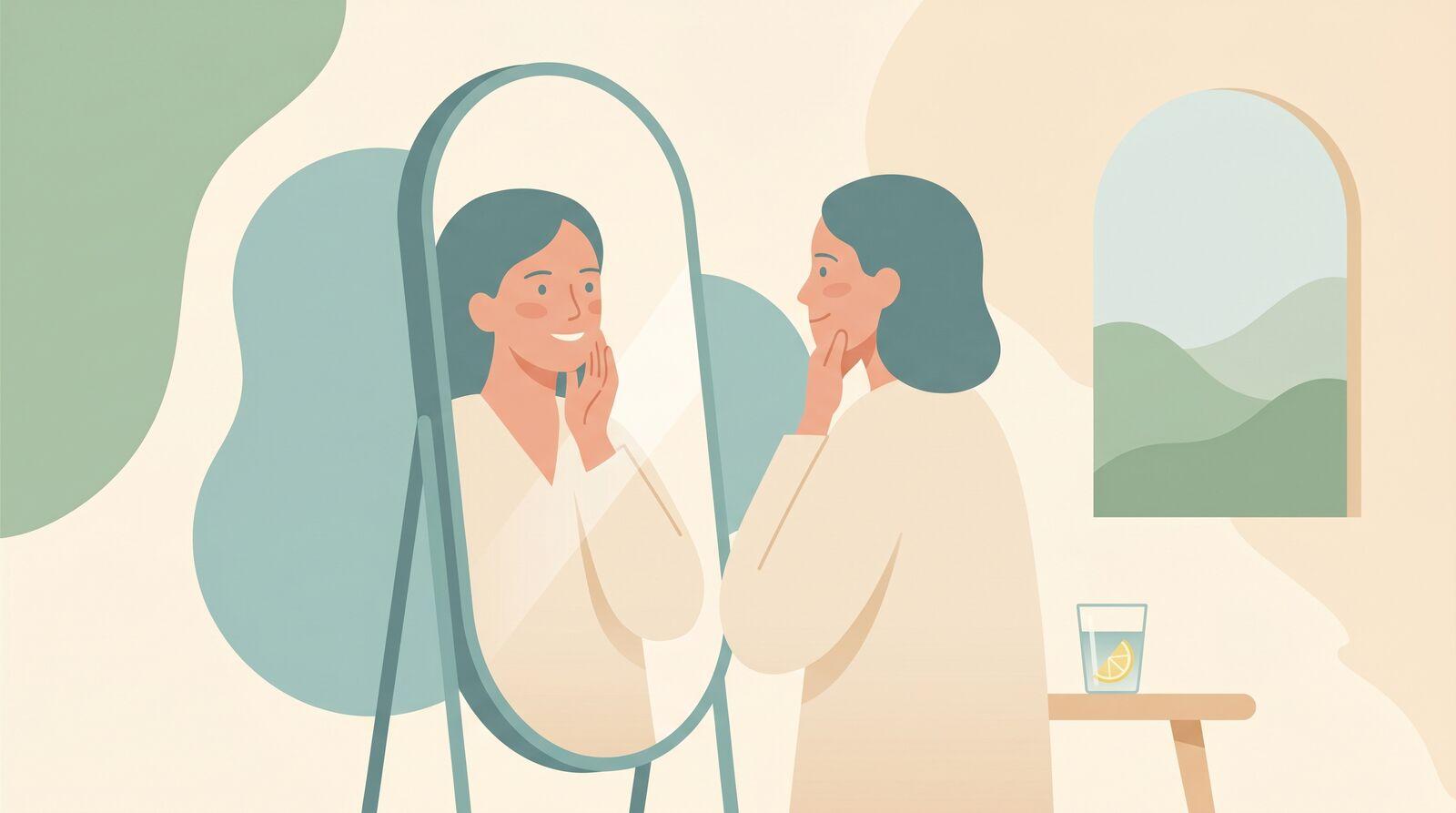
There is a particular moment that brings a lot of people to articles like this one. You catch your reflection in a window or an unflattering photo, and the face looking back is rounder and puffier than the one you carry in your head. The eyes are a little swollen, the jawline has gone soft, and the waistband that fit fine last year is now an argument. You did not gain that much weight. So what is it?
A lot of it is bloat, and bloat is one of the most fixable things alcohol does to your body. Unlike liver enzymes or blood pressure, you can watch this one improve in the mirror, often within days of your last drink. This article walks through why alcohol inflates your face and belly in the first place, then lays out a realistic timeline for how fast each one deflates once you stop, and what genuinely speeds the process up.
Why Alcohol Makes You Puffy in the First Place
The puffiness comes from a handful of overlapping mechanisms, and it helps to know which one is doing what, because they fade on different schedules.
The first is water retention, which sounds backwards for a drug famous for making you pee. Alcohol suppresses vasopressin, the hormone that tells your kidneys to conserve water, which is why a night of drinking sends you to the bathroom repeatedly and leaves you dehydrated. Your body responds to that repeated dehydration the way it responds to any drought: it starts hoarding. Stress hormones like cortisol rise, sodium balance shifts, and fluid gets parked in soft tissue, very visibly in the face and around the eyes. The morning-after puffy face is essentially your body overcorrecting for last night's fluid loss.
The second is inflammation. Alcohol and its breakdown product acetaldehyde are irritants, and regular drinking keeps a low-grade inflammatory response running throughout the body. Inflamed tissue swells. In the face this stacks on top of the water retention, and in some people it adds redness and broken capillaries as well, part of the broader picture we cover in our timeline of how skin recovers after quitting.
The third lives in your gut. Alcohol inflames the stomach lining, disrupts the muscle contractions that move food along, and feeds the gas-producing side of your microbiome at the expense of the helpful side. The result is the classic tight, distended, gassy belly that can appear after a weekend of drinking and never quite leave when the weekends connect. Beer adds carbonation and fermentable carbs on top.
The fourth is the one that is not actually bloat: the beer belly itself. Visceral fat, the deep abdominal fat that drinking calories build up over years, is real tissue, not swelling. It goes away too, but on a slower schedule, through the ordinary mathematics of calories. Knowing which part of your belly is bloat and which part is fat is the key to having honest expectations, so the timeline below treats them separately.
Not sure which app to use? We compared the top sobriety apps to make choosing easier.
The Face Timeline: Days, Not Months
The face is where you see results first, because most facial puffiness is water and inflammation rather than fat.
The first 72 hours. Once alcohol leaves your system, vasopressin function rebounds and your kidneys go back to managing water properly. The overnight overcorrection cycle, dehydrate then hoard, stops. Many people notice their eyes are less swollen and their face feels less tight within two or three days, especially if they drink water consistently.
One week. By now the acute water retention is largely gone and a second force kicks in: sleep. Alcohol wrecks deep sleep, and poor sleep on its own causes facial puffiness and dark circles. As your sleep architecture starts to repair, the morning face improves with it. People at this stage often say they look "less inflated" without being able to name exactly what changed.
Two to four weeks. The inflammatory component winds down. Redness eases, skin tone evens out, and the contours of your face start to reappear as the last of the chronic swelling drains. This is the window where coworkers start asking if you changed something, your hair, your sleep, something.
Two to three months. If some of the facial fullness was actual fat from drinking calories, this is when it visibly recedes, riding on the same gradual fat loss as the rest of your body. For most people the face at three months is dramatically different from the face at day zero, which is why before-and-after photos at this distance are so striking.
The Belly Timeline: Three Layers, Three Speeds
Days one to seven: the gas and water layer. The carbonation, the fermentation load, and the acute water retention go first. A belly that was tight and distended from a drinking weekend usually softens noticeably within the first week. If you mostly drank beer, this early change can be surprisingly large.
Weeks one to three: the gut layer. The stomach lining calms down, motility normalizes, and your microbiome starts shifting back toward a healthier balance, a recovery we walk through in detail in our guide to how the gut and microbiome heal after quitting. Less irritation and less abnormal fermentation mean less gas and less of that bloated-after-every-meal feeling. Heartburn and reflux often ease in the same window.
One to three months and beyond: the fat layer. This is the actual beer belly, and it obeys calorie math rather than bloat logic. The good news is that the math suddenly favors you: removing a nightly few drinks deletes hundreds of calories a day, which is the engine behind our breakdown of how much weight people typically lose after quitting. Visceral fat also tends to be the first fat the body burns in a deficit. The honest caveat is that this only works if those calories are not quietly replaced with sugar and snacks, a swap so common we wrote a separate piece on why some people gain weight after quitting.
How to Speed the De-Bloating Up
You cannot rush the fat layer, but you can absolutely accelerate the water and gut layers.
Drink water steadily through the day rather than in occasional floods, because a consistently hydrated body has no reason to hoard. Keep sodium moderate and potassium up, which in practice means fewer salty late-night foods and more fruit and vegetables. Walk daily, since movement helps both lymphatic drainage and gut motility, and protect your sleep, because every bad night shows up on your face the next morning. Finally, resist the temptation to replace the evening drink with soda or a sugar binge, which re-creates the bloat through a different door.
None of this needs to be perfect. The biggest variable by far is simply consecutive days without alcohol, because every mechanism above resets on its own once the irritant is gone. That is why counting days works so well for this particular goal: the streak is the treatment. A private counter like Sober Tracker gives you that number at a glance, no account and no social feed, which makes it easy to connect what you see in the mirror at day 10 or day 30 with the streak that produced it.
When It Is Not Just Bloat
Two situations deserve a doctor rather than a timeline article. If you have a long history of heavy drinking and your abdomen is swelling progressively, feels taut, or is accompanied by yellowing skin or eyes, that pattern can indicate fluid buildup from advanced liver disease, called ascites, and it needs prompt medical evaluation. And if facial or leg swelling persists for weeks after quitting, gets worse instead of better, or comes with shortness of breath, get it checked, since kidneys, heart, and thyroid can all cause fluid retention that has nothing to do with alcohol. For the typical drinker with a puffy face and a soft, gassy belly, neither applies. But bloat that refuses to follow the timeline is your cue to ask a professional.
Conclusion
Alcohol bloating is three different problems wearing one waistband: water retention that fades in days, gut inflammation that settles in weeks, and drinking-calorie fat that burns off over months. The face goes first, the gas goes second, and the beer belly goes last, but every one of them moves in the right direction from the moment you stop. Few changes in early sobriety are this visible this fast, so let your reflection do what the scale sometimes will not: show you proof that it is working.
The puffiness took years of drinking to build and takes days of not drinking to start leaving. Watch the mirror, not just the scale.
Frequently Asked Questions
How long does alcohol bloating last after you stop drinking?
The water-retention component typically fades within three to seven days, gut-related gas and distension settle over one to three weeks as the stomach lining and microbiome recover, and any remaining belly is fat rather than bloat, which recedes over one to three months or more depending on your overall calorie balance. Most people see an obvious difference in the mirror within the first two weeks.
Why does alcohol make your face puffy?
Alcohol suppresses vasopressin, the hormone that helps your kidneys conserve water, so drinking dehydrates you and your body responds by retaining fluid, especially in the soft tissue of the face. Add alcohol-driven inflammation, elevated cortisol, and the facial puffiness caused by disrupted deep sleep, and you get the classic swollen morning-after face. All of these mechanisms reverse within days to weeks of quitting.
Will my beer belly go away if I quit drinking?
The bloat portion, gas, water, and gut inflammation, shrinks within days to weeks. The fat portion is real visceral fat and follows calorie math: quitting removes hundreds of liquid calories a day, and visceral fat is usually the first fat the body burns, so the belly does recede for most people over months, provided the alcohol calories are not replaced with sugar and snacks.
Why am I still bloated weeks after quitting alcohol?
The most common reasons are a gut microbiome that is still rebalancing, new eating habits such as increased sugar or carbonated drinks standing in for alcohol, or simple water retention from salty food and poor sleep. If abdominal swelling is progressive, taut, or paired with yellowing skin after years of heavy drinking, see a doctor promptly to rule out fluid buildup from liver disease.
Does alcohol bloat show up on the scale?
Yes, retained water has weight, and a bloated body can read several pounds heavier than its true baseline. This is also why the first week of sobriety often produces a fast, satisfying drop on the scale: it is mostly water leaving, not fat. The slower, steadier loss that follows is the real fat coming off.
Want to watch the timeline happen in your own mirror? Sober Tracker is a private, no-account day counter that turns your streak into a number you can check against the changes you see, from the first de-puffed morning to the month the belt needs a new hole.
This article is educational and not a substitute for medical advice. If you drink heavily or daily, do not stop abruptly without guidance, as sudden withdrawal from heavy long-term drinking can be dangerous and should be medically supervised. See a doctor promptly about progressive abdominal swelling, yellowing skin, or fluid retention that does not improve after quitting.