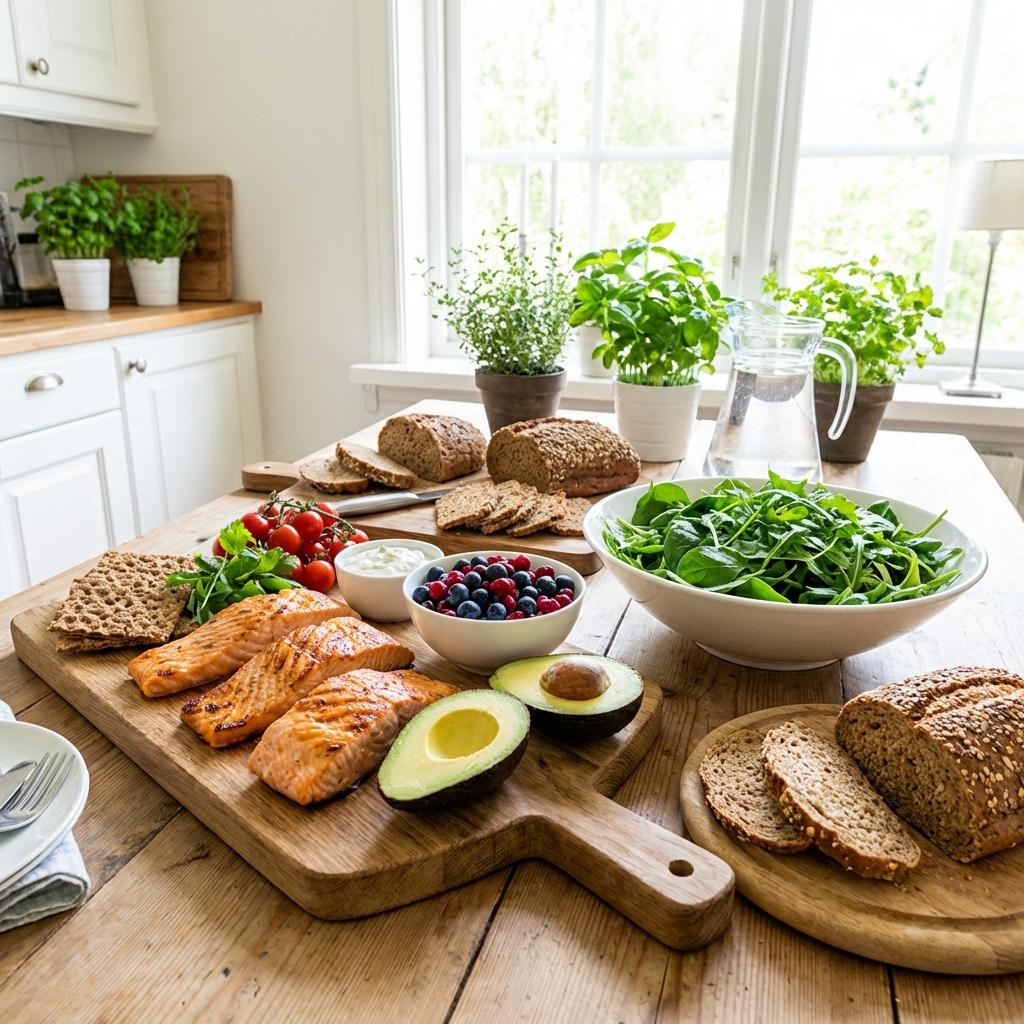
You quit drinking expecting to feel lighter, cleaner, more in control. Instead you are standing at the fridge for the third time before lunch, genuinely baffled by how hungry you are. You ate breakfast. You are not bored. And yet your stomach is behaving like you skipped a week of meals. If you have found yourself grazing all day, raiding the pantry at night, or eating portions that would have embarrassed your drinking self, you are not losing your grip. You are having one of the most common and least talked about early-sobriety experiences.
A sudden, roaring appetite in the first weeks without alcohol is normal, and it has real biology behind it. This article explains why hunger spikes when you stop drinking, how long it tends to last, why it is not the disaster it feels like, and how to feed yourself in a way that supports your recovery instead of sabotaging it.
Why Your Appetite Explodes When You Stop Drinking
The hunger is not random and it is not weakness. Several things happen at once when alcohol leaves your life, and most of them point your body toward the kitchen.
Your Brain Lost Its Dopamine Source
Alcohol floods the brain's reward system with dopamine. When you quit, that reliable hit of pleasure vanishes, and your brain immediately starts hunting for a replacement it can access fast. Food, especially sugary and fatty food, lights up many of the same reward pathways. Much of what feels like hunger in early sobriety is really your brain trying to plug a dopamine gap the only quick way it knows how. This is the same mechanism behind the intense sugar cravings so many people get after quitting.
Hunger Hormones Are Out of Balance
Two hormones govern appetite: ghrelin, which tells you to eat, and leptin, which tells you that you are full. Chronic drinking scrambles both. Alcohol suppresses leptin signaling and can raise ghrelin, so as your system readjusts in the first weeks of sobriety, the "I'm full" message is weak and the "I'm hungry" message is loud. On top of that, alcohol wrecks sleep, and poor sleep independently drives ghrelin up and leptin down. Between the two, your body is getting a genuinely amplified hunger signal.
You Are Filling a Big Calorie Gap
This one surprises people. If you were drinking regularly, alcohol was quietly supplying a large share of your daily calories. A few beers or several glasses of wine can easily be 500 to 1,000 calories, often more. Those were "empty" calories with almost no nutrition, but your body still counted them as fuel. Remove them overnight and there is a real energy hole to fill, and your appetite ramps up to close it. Your body is not being greedy; it is doing math.
Blood Sugar Is on a Roller Coaster
Alcohol disrupts the liver's ability to regulate glucose, so early sobriety often comes with blood sugar that dips and spikes unpredictably. Every dip registers as urgent hunger, usually for something sweet or starchy. You eat, your blood sugar spikes, then crashes, and the "feed me now" alarm goes off again. Those sudden, can't-think-about-anything-else hunger moments frequently line up with a blood sugar low, not with true need.
Your Gut Is Waking Up
Alcohol irritates the stomach lining and interferes with how you absorb nutrients. As your gut heals and starts absorbing food properly again, your appetite can genuinely increase, partly because your body is finally able to use what you eat and is trying to rebuild. Some of the early hunger is your system asking for the raw materials to repair itself.
Food Replaced the Ritual
Drinking was rarely just about the alcohol. It was the wind-down at 6 PM, the reward after a hard day, the thing you did with your hands while watching TV. When the ritual disappears, eating slides neatly into the same slot. A lot of "hunger" in the first month is really a habit looking for a new home, and food is the most available substitute.
How Long Does the Hunger Last?
The timeline varies, but most people move through a recognizable arc.
Week 1-2: Peak Hunger
Appetite is usually most intense in the first two weeks, when the dopamine gap is widest, hormones are most disrupted, and blood sugar is least stable. Constant grazing and strong evening or late-night hunger are typical here.
Week 2-4: Loud but Steadier
Hunger is still noticeable but begins to find a rhythm. You may spot patterns, like a reliable craving at your old drinking hour. The frantic, bottomless quality tends to ease.
Month 1-3: Gradual Normalizing
As dopamine, ghrelin, and leptin rebalance and your sleep improves, appetite settles. Many people find that by month two or three they are eating normal portions again and the compulsive grazing has faded.
Month 3-6+: A New Baseline
For most people, appetite normalizes by this point, and some find they actually eat more mindfully than they did as drinkers. Any lingering hunger is usually ordinary, not the roar of early sobriety.
Is This Weight Gain Something to Worry About?
Often the real fear underneath the hunger is the scale. It is true that some people gain weight in early sobriety, and increased appetite is one reason weight gain after quitting alcohol happens. But keep it in perspective. Eating a little more while your brain heals is a far better problem than drinking, and it is temporary and fixable in a way that heavy drinking is not.
The priority in the first months is simple: stay sober. If a bigger dinner or an extra snack keeps you away from a drink, that is a good trade. You can refine your eating once sobriety is stable. Trying to white-knuckle both quitting and a strict diet at the same time is how a lot of people burn out and relapse.
How to Eat Through It Without Losing Control
You do not have to choose between feeding the hunger and taking care of yourself. These strategies do both.
1. Eat Real Meals on a Schedule
The single most effective fix is steady blood sugar, and that comes from regular, balanced meals. Do not skip breakfast, do not wait until you are ravenous, and build each meal around protein and fiber. Protein and healthy fats slow digestion and blunt the crash-and-crave cycle that drives so much of the hunger.
2. Front-Load Protein and Fiber
Eggs, Greek yogurt, beans, fish, chicken, tofu, nuts, vegetables, and whole grains keep you full for hours. A breakfast that is mostly protein and fiber changes the entire shape of your appetite for the rest of the day. A breakfast that is mostly sugar guarantees a mid-morning crash and another hunger spike.
3. Check Whether It Is Actually Hunger
Before the third snack, run a quick check. Are you thirsty? Dehydration masquerades as hunger, so drink a glass of water and wait ten minutes. Are you tired? Fatigue drives eating for quick energy. Are you stressed, bored, or restless at your old drinking hour? That is habit and emotion, not your stomach. Naming it often defuses it.
4. Make the Easy Choice the Good Choice
You will eat, so stock the kitchen so that grabbing something fast means grabbing something decent: cut fruit, yogurt, cheese, nuts, hard-boiled eggs, hummus and vegetables, sparkling water. When the pantry is stocked with cookies and chips, that is what the 10 PM hunger finds.
5. Give the Ritual a New Shape
If your hunger clusters around the time you used to drink, build a replacement ritual that is not just food: a walk after dinner, tea, a bath, a phone call, a hobby that keeps your hands busy. A warm non-alcoholic drink at 6 PM can absorb a surprising amount of what feels like appetite. Our guide to foods that help your body heal in recovery is a good place to build that new routine around.
6. Protect Your Sleep
Because short sleep pushes hunger hormones the wrong way, improving sleep directly reduces appetite. Sleep is hard in early sobriety, but every bit you reclaim takes pressure off the next day's hunger.
7. Move Your Body
Exercise helps regulate blood sugar and appetite hormones, provides natural dopamine, and gives the reward-seeking part of your brain something other than food to chase. Even a 20-minute walk can take the edge off a craving.
When to Pay Closer Attention
Increased appetite is almost always normal, but a few situations are worth a doctor's input:
- If you have diabetes or blood sugar issues, work with a provider on managing glucose during recovery, since your regulation is already in flux.
- If eating feels genuinely compulsive and out of control, or shame is building around it, a counselor who works with eating behavior can help before it becomes a second struggle.
- If you have no appetite at all, or you are losing weight quickly, nauseous, or unable to keep food down, that is the opposite pattern and warrants medical attention rather than reassurance.
The Bottom Line
A big appetite after quitting alcohol is your body and brain doing exactly what they should: hunting for the dopamine, the calories, and the comfort that alcohol used to supply, all while your hunger hormones and blood sugar find a new normal. It feels alarming, but it is predictable, it is temporary, and it is not a sign that sobriety is going wrong.
Feed yourself with a little structure, protein, and patience, and let the priority stay where it belongs: not drinking. The hunger will settle as your brain heals. What you build in these weeks is worth far more than a few extra snacks.
Watching your sober days add up makes it easier to ride out the messy early phase, hunger and all. See our guide to the best sobriety apps in 2026 to find a tracker that fits your journey.