It usually starts quietly. A patch of numbness on the ball of your foot that you blame on your shoes. Pins and needles in your toes at night. A strange burning on the soles of your feet, as if you had been walking on hot sand, except you have been on the couch all evening. For a lot of people who drank heavily for years, these sensations were easy to ignore while the drinking continued. Then they quit, started paying attention to their body again, and suddenly the question became urgent: what is this, and is it permanent?
The likely answer is alcoholic peripheral neuropathy: nerve damage caused by long-term heavy drinking. It is far more common than most people realize, it is one of the few alcohol-related conditions you can literally feel in your skin, and, this is the part that matters, it is often partly or largely reversible once the alcohol stops. Nerves heal slowly, on a timeline measured in months and years rather than days, but they do heal. Here is what is actually happening in your feet and hands, why quitting is the single most important treatment, and what a realistic recovery looks like.
What Alcoholic Neuropathy Feels Like
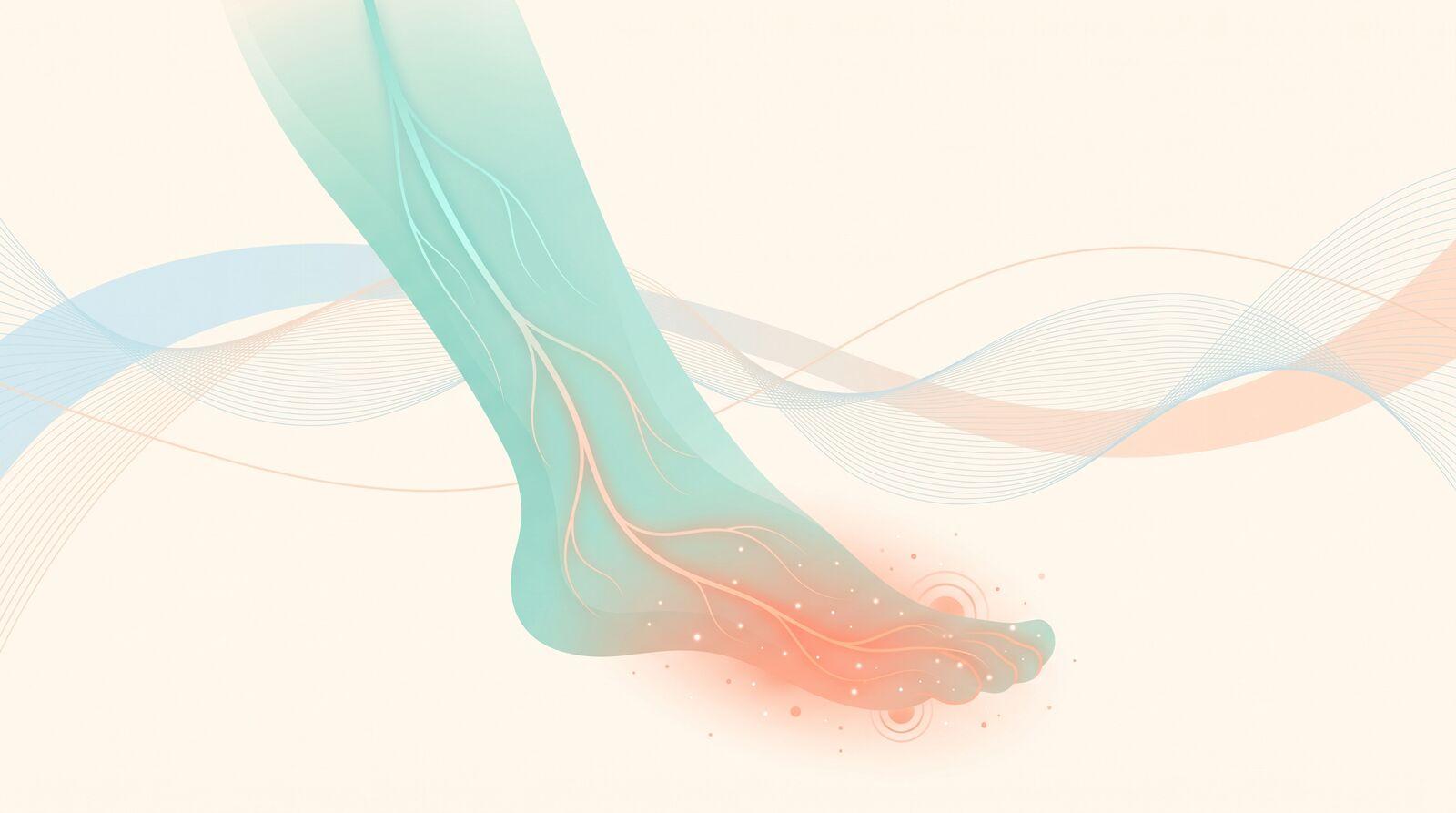
Peripheral neuropathy means damage to the peripheral nerves: the long wiring that runs from your spinal cord out to your feet, legs, hands, and arms. Because the longest nerves are affected first, symptoms almost always begin in the feet and creep upward, in what doctors call a stocking-and-glove pattern. The feet are involved long before the hands.
Common early signs include:
- Tingling and pins and needles in the toes and soles, often worse at night
- Numbness or a "walking on cushions" feeling, as if there were a layer of felt between your foot and the floor
- Burning or electric, shooting pains, frequently flaring in the evening or in bed
- Hypersensitivity, where a bedsheet brushing your foot feels unpleasant or painful
- Cramps and muscle weakness in the calves and feet as motor nerves get involved
- Unsteadiness in the dark, because your feet stop reporting exactly where the ground is
Estimates vary by study and by how the damage is measured, but research suggests that somewhere between a quarter and half of long-term heavy drinkers develop some degree of peripheral neuropathy. Many have measurable nerve changes before they notice a single symptom. If your numbness or tingling appeared or got louder around the time you quit, that does not mean quitting caused it: it usually means your nervous system finally got quiet enough for you to notice what was already there.
Not sure which app to use? We compared the top sobriety apps to make choosing easier.
How Alcohol Damages Nerves
Alcoholic neuropathy is not one injury but two overlapping ones, which is why it can develop even in people who eat reasonably well.
Direct toxicity. Ethanol and its breakdown product acetaldehyde are toxic to nerve tissue itself. Chronic exposure damages the axon, the long transmission cable of the nerve, and impairs the cell's ability to transport nutrients and repair materials down its full length. A nerve running from your lower spine to your big toe can be a meter long, a single cell with an enormous supply line, and alcohol disrupts that supply line. This axonal damage explains why alcoholic neuropathy hits the longest nerves first and hardest.
Nutritional starvation. Heavy drinking depletes exactly the nutrients nerves need most, above all thiamine (vitamin B1). Alcohol reduces thiamine absorption in the gut, depletes its storage in the liver, and blocks the body's ability to convert it into its active form. B12, folate, and vitamin E often run low too, for similar reasons: alcohol calories displace real food, and an inflamed gut absorbs less of what you do eat. Nerves are metabolically hungry cells, and a nervous system running without thiamine is like an engine running without oil.
Both mechanisms are usually active at once in a heavy drinker, and they compound each other. That double hit is also why the treatment is double: remove the toxin, restore the nutrients.
Is the Damage Reversible?
This is the question that brings most people to this page, so here is the honest answer: often yes, at least in part, and sometimes substantially, but it depends on how much damage was done and it happens slowly.
Peripheral nerves are among the few parts of the nervous system that can physically regrow. When an axon is damaged but the nerve cell body survives, the axon can regenerate at a rate of roughly one millimeter per day, about an inch per month. That number explains almost everything about the recovery timeline. A nerve regrowing from your ankle into your toes has a few centimeters to cover: months. A nerve rebuilding itself from the knee down has a much longer journey: a year or more. The regrowth rate is slow and fixed, and no supplement meaningfully speeds it up. What you control is whether the regrowth happens at all, and that is decided by abstinence and nutrition.
Three factors shape how much recovery you can expect:
- Severity. Tingling, burning, and mild numbness generally reflect damaged but living nerves, which have excellent recovery potential. Long-standing dense numbness, visible muscle wasting, or foot drop reflect deeper damage, where recovery is slower and may be partial.
- Duration. Neuropathy that has been present for a year tends to recover better than neuropathy that has been present for fifteen.
- What happens next. Continued drinking keeps injuring the nerve faster than it can repair itself. Complete abstinence removes the brake on healing. Studies of people with alcoholic neuropathy who stop drinking and correct their nutrition consistently show meaningful improvement in symptoms and nerve function over months to a couple of years, while those who keep drinking progress.
The Recovery Timeline
Every nervous system is different, but the arc below matches what research and clinical experience describe for someone who stops drinking completely and eats adequately.
Weeks 1 to 4: no miracles, possibly more noise. Nerve symptoms rarely improve in the first month, and they can temporarily feel worse. Withdrawal leaves the whole nervous system hyperexcitable, which turns the volume up on every signal, including the faulty ones. Do not read this as failure.
Months 1 to 3: the foundation phase. Thiamine and other B vitamin levels normalize, the gut starts absorbing properly again, and the constant toxic exposure is gone. Small improvements may appear: burning that eases, fewer electric jolts, better sleep as the pain quiets.
Months 3 to 12: visible progress. This is where most people notice real change. Regenerating axons reconnect, numb areas shrink from the top down (the ankle wakes up before the toes), balance improves, and painful phases give way to odd tingling, which is often a sign of nerves coming back online rather than dying off.
Year 1 to 2 and beyond: the long tail. Recovery continues well into the second year, especially for the longest nerves. Some people recover completely. Others are left with a patch of numbness in the toes or mild symptoms that flare when they are exhausted or ill. Even partial recovery, though, usually means the difference between neuropathy that runs your life and neuropathy you mostly forget about.
One strange phenomenon deserves its own mention: regenerating nerves are noisy. As axons regrow and form new connections, they misfire, producing zaps, itches, and tingles in areas that were previously silent and numb. It feels alarming and is usually the opposite: dead quiet is a worse sign than static.
What Actually Helps Nerves Heal
There is no drug that regrows nerves. Everything that works, works by giving your body the conditions to do its own repair.
- Complete abstinence. Not moderation. Research is fairly blunt on this: even reduced drinking continues the toxic exposure, and the nerves never get a clean window to rebuild. Quitting entirely is the single most effective treatment for alcoholic neuropathy, full stop.
- Thiamine and B vitamins. Anyone with a history of heavy drinking and nerve symptoms should discuss B vitamin supplementation with their doctor, thiamine first. B12 and folate levels are worth testing. One caution: more is not better, and megadoses of vitamin B6 can themselves cause neuropathy, so skip the shotgun approach and be guided by testing. Our guide to supplements in alcohol recovery covers the details.
- Real food, regular protein. Nerve repair is construction work, and it needs materials: protein, healthy fats, and the micronutrients that come from actual meals rather than a drinker's diet of convenience carbs.
- Blood sugar control. Alcohol wrecks glucose metabolism, and elevated blood sugar independently damages the same small nerve fibers. Getting metabolic health back on track protects the nerves you are trying to regrow.
- Movement and balance work. Exercise improves blood flow to peripheral nerves and, just as importantly, retrains balance while your feet are underreporting. Walking, cycling, and simple single-leg balance drills all count.
- Protect your feet. Numb feet blister and get injured without you noticing. Well-fitting shoes, no barefoot walking outdoors, and a periodic visual check of your soles are unglamorous habits that prevent real problems.
If night-time leg symptoms are more of a crawling restlessness than pain or numbness, you may be dealing with a different and more temporary beast: restless legs in early sobriety, which typically resolves in weeks rather than months.
When to See a Doctor
Alcoholic neuropathy is a diagnosis a professional should confirm, because the symptom list overlaps with diabetes, thyroid disease, B12 deficiency, and other treatable conditions, and because several of them can coexist with a drinking history. See a doctor promptly if you notice:
- Weakness, foot drop, or trouble walking, rather than just sensory symptoms
- Symptoms that progress quickly over weeks
- Sores or wounds on your feet that heal slowly
- Dizziness on standing, bladder or bowel changes, or unusual sweating patterns, which suggest autonomic nerve involvement
- Any nerve symptoms alongside heavy drinking that has not yet stopped: withdrawal from sustained heavy drinking can be dangerous and should be medically supervised
Basic tests are simple: a clinical exam, blood work for B vitamins, glucose, and thyroid, and sometimes nerve conduction studies. It is worth doing, because if a nutritional deficiency is part of your picture, fixing it changes your trajectory.
The Honest Conclusion
Nerve recovery is the slowest chapter in the body's post-alcohol repair story. The liver visibly improves in weeks, sleep in a month or two, skin in a season. Nerves work on a different calendar: a millimeter a day, an inch a month, silently, for a year or more. That pace can be discouraging if you expect sobriety to fix everything by summer.
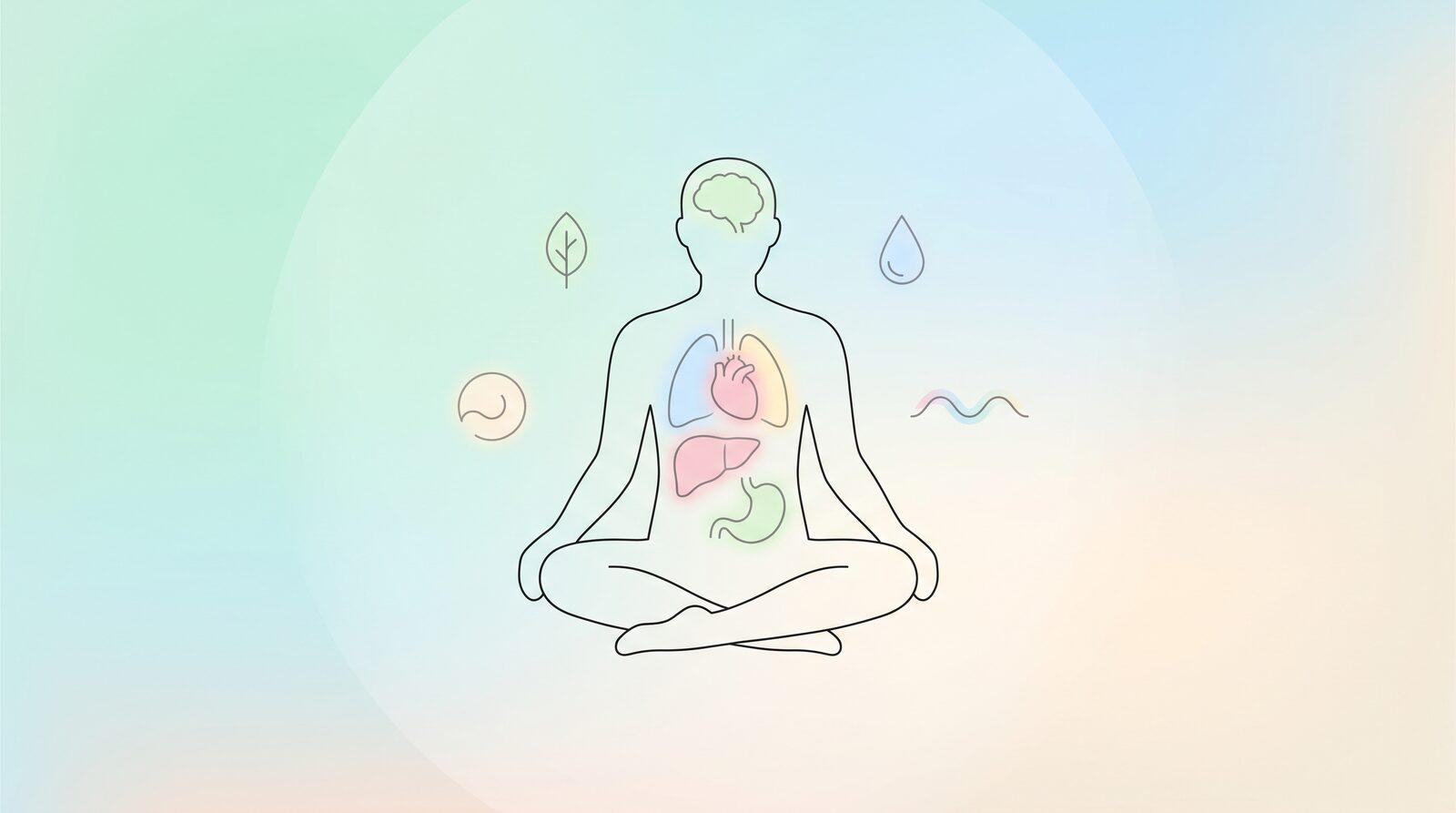
But look at the direction instead of the speed. With continued drinking, alcoholic neuropathy reliably worsens: the numbness climbs, the balance goes, and the damage becomes permanent. With abstinence and decent nutrition, the process reverses for most people, and the feet that currently buzz and burn slowly return to just being feet. Where nerve recovery fits in the bigger picture, alongside your liver, heart, brain, and gut, is mapped out in our organ-by-organ guide to what heals when you quit.
Because progress is this gradual, it is almost impossible to perceive day to day, which is exactly why it helps to have a record. Milestones like 90 days or a year, tracked in a sobriety counter, line up surprisingly well with the moments people notice their feet have gone quiet: the streak becomes the timeline your nerves are healing on.
Waiting out a slow recovery? Sober Tracker is a private, no-account streak counter that turns a months-long healing process into visible progress, one alcohol-free day at a time.
This article is educational and not a substitute for medical advice. Peripheral neuropathy has many possible causes and deserves a proper diagnosis; if you have nerve symptoms, weakness, or concerns about your drinking, talk with a healthcare provider. Sudden withdrawal from heavy long-term drinking can be dangerous and should be medically supervised.