"Tentokrát prostě musím být silnější."
Pokud jste se někdy pokusili přestat pít a neuspěli, nejspíš jste si to řekli. Sváděli jste to na svůj nedostatek disciplíny. Cítili jste se slabí. Slíbili jste si, že příště se prostě "víc snažíte".
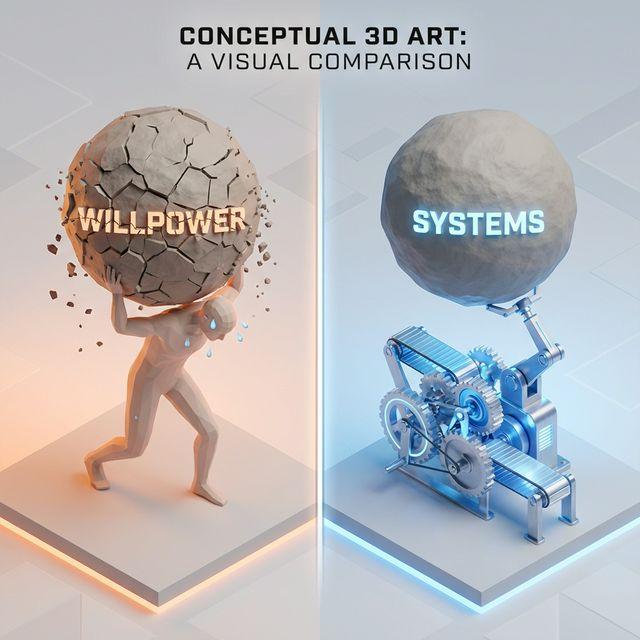
Jenže pravda je tahle: Síla vůle není morální ctnost. Je to baterie. A jako každá baterie se vybije.
Spoléhat se na sílu vůle, abyste zůstali střízliví, je jako snažit se udržet plážový míč pod vodou. Minutu to zvládnete, možná hodinu. Ale nakonec vás bolí ruce, sevření povolí a míč vystřelí zpátky na hladinu.
Pokud chcete zůstat střízliví dlouhodobě, nepotřebujete víc síly. Potřebujete lepší systém.
Věda o "vyčerpání ega"
Psychologové tomuto jevu říkají vyčerpání ega. Pokaždé, když se rozhodujete, odoláte pokušení nebo regulujete nějakou emoci, čerpáte z omezené zásoby duševní energie.
- Odoláte koblize na ranní poradě. (Baterie klesne o 5 %)
- Když je váš šéf otravný, kousnete se do jazyka. (Baterie klesne o 10 %)
- Donutíte se jít do posilovny. (Baterie klesne o 15 %)
V šest večer už vaše baterie síly vůle bliká červeně. Právě proto nastupuje "únava z rozhodování" a proto k recidivě téměř vždy dochází večer. Není to tím, že byste byli slabý člověk; je to tím, že jste člověk biologicky vyčerpaný.
Řešení: systémy místo síly
James Clear, autor knihy Atomové návyky, prohlásil slavnou větu: "Nepovznesete se na úroveň svých cílů. Spadnete na úroveň svých systémů."
Systém je soubor chování, který dělá z žádoucí akce (nepít) cestu nejmenšího odporu. Takhle si ten svůj vybudujete.
Systém 1: Návrh prostředí ("neviditelná ruka")
Pokud musíte používat sílu vůle, abyste nepili u sebe doma, už jste prohráli.
- Pravidlo: Co je doma, to nakonec vypijete.
- Systém: Odstraňte všechen alkohol. Žádné "víno na vaření", žádné "nouzové pivo" pro hosty. Udělejte ze svého domova pevnost, kde rozhodnutí vůbec neexistuje.
- Cesta domů: Pokud cestou domů míjíte svůj oblíbený bar, změňte trasu. Nezkoušejte se.
Systém 2: Realizační záměry (plánování typu "když, pak")
Nejednoznačnost vede k recidivě. Když jste ve stresu, mozek se vrací ke starým návykům. Plánování typu "když, pak" rozhodnutí předem nastaví, takže o něm v daném okamžiku nemusíte přemýšlet.
- Špatný plán: "Na svatbě nebudu pít."
- Systémový plán: "Když mi číšník nabídne šampaňské, pak řeknu 'Jen perlivou vodu, díky' a hned do ní vymáčknu limetku."
Systém 3: Zpětnovazební smyčka (sledování)
Váš mozek touží po důkazech o pokroku. Když prostě "nepijete", nic se neděje. Připadá vám to jako prázdnota.
- Systém: Používejte externí sledovač. Když vidíte, jak vám vizuálně roste série dní, vytvoří se vůči vaší střízlivosti pocit "utopených nákladů": nebudete chtít řetěz přetrhnout.
- Nástroj: Pro zaznamenávání svých dní použijte Sober Tracker. Samotný akt každodenního check-inu dá vašemu mozku malou dávku dopaminu (odměnu) za nepřítomnost určitého chování.
Systém 4: Řízení odporu
Špatné návyky ztěžte a dobré usnadněte.
- Zvyšte odpor u pití: Smažte si údaje o kartě z aplikací na rozvoz. Řekněte prodavači v obchodě s alkoholem, že končíte, abyste se tam styděli vrátit.
- Snižte odpor u zdravého zvládání: Mějte běžecké boty u dveří. Mějte přesně v pět odpoledne nachlazenou a připravenou perlivou vodu.
Závěr: buďte architekt, ne válečník
Přestaňte se sebou denně bojovat. Válečníci se unaví. Válečníci utrží zranění. Architekti naopak staví struktury, které stojí samy o sobě.
Když vybudujete správné systémy, střízlivost přestane být zkouškou síly a stane se způsobem života. Nemusíte říkat "ne" stokrát denně, pokud máte život uspořádaný tak, že ta otázka skoro nevyvstane.
Připraveni vybudovat svůj systém?
- Zautomatizujte svou odpovědnost: Stáhněte si Sober Tracker a proměňte svůj pokrok v data, která uvidíte.
- Chraňte svou baterii: Stres vyčerpává sílu vůle rychleji než cokoli jiného. Použijte Anxiety Pulse, abyste udrželi hladinu stresu na uzdě a vaše rozhodovací baterie zůstala nabitá.
- Přeneste systém i mimo alkohol: Naše sesterská aplikace Baseline vysvětluje, proč disciplína vydrží déle než motivace (v angličtině) a jak budovat návyky, které nezávisí na tom, jak se zrovna cítíte.