Early sobriety is so hard because you're dealing with a perfect storm: your brain chemistry is disrupted, emotions you've been numbing for years are flooding back, your social life is shifting, and you're rebuilding your identity from scratch. It's not a single challenge; it's multiple crises happening simultaneously. The good news? Every one of these challenges is temporary, and understanding why they happen makes them far easier to navigate.
If you've recently quit drinking and find yourself wondering why something that's supposed to be "good for you" feels this painful, you're not weak. You're going through one of the most demanding transitions a person can experience. Let's break down exactly what's happening and what you can do about it.
Your Brain Is in Recovery Mode
Alcohol doesn't just affect your mood in the moment. Regular drinking fundamentally rewires your brain's reward system. Here's what's happening under the hood when you quit:
The Dopamine Crash
Alcohol artificially floods your brain with dopamine, the neurotransmitter responsible for pleasure and motivation. Over time, your brain compensates by producing less dopamine on its own and reducing the number of dopamine receptors. When you remove alcohol, you're left with a brain that can barely generate its own "feel-good" chemicals.
This is why early sobriety often feels flat, joyless, or grey. That cup of coffee, that beautiful sunset, that funny movie: none of it hits the way it used to. Your brain's reward system is essentially recalibrating, and until it does, everyday pleasures feel muted.
The timeline: Most people notice dopamine levels beginning to normalize around 90 days, with significant improvement by 6 months.
Post-Acute Withdrawal Syndrome (PAWS)
After the initial physical withdrawal (usually the first 1-2 weeks), many people experience PAWS: a longer-lasting set of symptoms that can include anxiety, depression, irritability, brain fog, and disrupted sleep. PAWS occurs because your nervous system is still healing and recalibrating its baseline.
PAWS symptoms tend to come in waves, often triggered by stress, and can last anywhere from a few months to over a year. The frustrating part is that these waves are unpredictable: you might feel great for two weeks, then wake up one morning feeling like you're back at day one.
What helps: Knowing that PAWS is a documented medical phenomenon, not a personal failure. When a wave hits, remind yourself: "This is my brain healing, not my sobriety failing."
Neuroplasticity: Your Brain Is Literally Rebuilding
Here's the encouraging part. Your brain has a remarkable ability to rewire itself, a process called neuroplasticity. Every day you stay sober, your brain is forming new neural pathways, restoring receptor sensitivity, and gradually returning to healthy function. The discomfort of early sobriety is actually evidence that this rebuilding process is underway.
The Emotional Flood
For many people, alcohol served as an emotional off-switch. Stressful day? Drink. Feeling anxious? Drink. Uncomfortable emotion of any kind? Drink.
When you remove that coping mechanism, every emotion you've been suppressing comes rushing back at full intensity. This is why early sobriety often feels like an emotional rollercoaster: you might cry at a commercial, rage at a minor inconvenience, then feel a burst of euphoria all in the same afternoon.
Why This Matters
You're not just "feeling your feelings" for the first time. You're also dealing with years of unprocessed emotional backlog. Grief you never sat with. Anger you never expressed. Sadness you never acknowledged. It all surfaces at once, and it's overwhelming.
Practical tip: When emotions feel too intense, name them out loud. "I am feeling angry right now." This simple act shifts processing from the amygdala (emotional brain) to the prefrontal cortex (logical brain), which can reduce the emotion's intensity within minutes.
Social Pressure and Identity Loss
Quitting alcohol doesn't happen in a vacuum. It disrupts your social ecosystem in ways you might not have anticipated.
The Friend Audit
When you stop drinking, you quickly discover which friendships were built on genuine connection and which were built on a shared drinking habit. Some friends will support you. Others will pressure you to "just have one." A few will quietly disappear. This unintentional social pruning can feel devastating, especially when you're already emotionally vulnerable.
The Identity Crisis
If you spent years as "the fun one at the party" or "the person who always has a glass of wine," removing alcohol can feel like removing a core piece of who you are. You might find yourself asking: Who am I without drinking? What do I do for fun? How do I socialize? How do I relax?
This identity reconstruction is one of the most underrated challenges of early sobriety. It takes time to discover who you are without alcohol, and the in-between period can feel like standing in a void.
The Boredom Factor
One of the most surprising struggles in early sobriety is sheer boredom. Alcohol consumed a staggering amount of time: the planning, the buying, the drinking, the recovering. When you remove all of that, you're left with hours of open time and a brain that's too dopamine-depleted to enjoy normal activities.
This boredom is temporary, but it's real, and it's one of the top relapse triggers. The key is to fill the time intentionally rather than waiting for motivation to appear (it won't, not yet; that's the dopamine issue).
Quick wins for boredom:
- Physical exercise (even a 20-minute walk releases natural endorphins)
- Learning something new (language, instrument, cooking)
- Volunteering (connection + purpose)
- Cleaning or organizing (visible progress feels rewarding when your brain's reward system is struggling)
How to Get Through It: A Survival Framework
Knowing why early sobriety is hard is half the battle. Here's a practical framework for getting through it:
1. Lower the Bar
Stop expecting to feel great. In early sobriety, "getting through the day sober" is a genuine achievement. If all you did today was not drink, you succeeded. Everything else is a bonus.
2. Track Your Progress
When you're in the thick of it, progress is invisible. Using a tool like Sober Tracker to log your days, see your milestones, and watch the numbers grow gives you concrete evidence that you're moving forward, even when it doesn't feel like it.
3. Nourish Your Brain
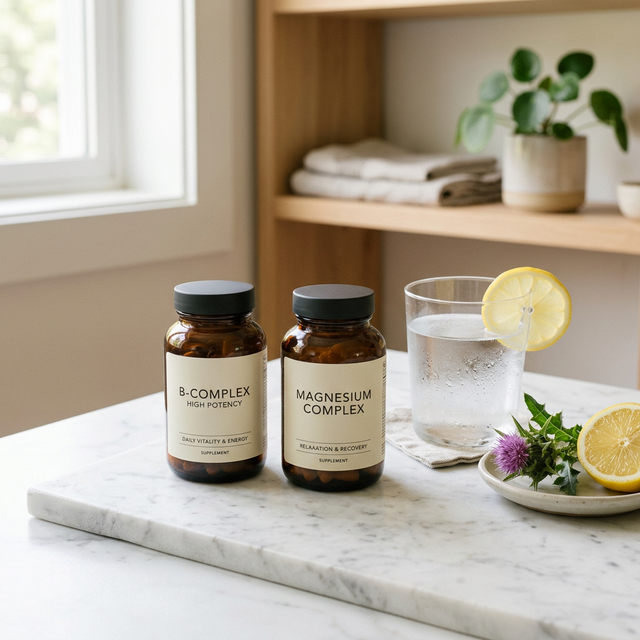
Your brain is doing heavy repair work. Give it the raw materials it needs. Prioritize sleep, eat whole foods, stay hydrated, and consider supplements that support neurological recovery (B vitamins, omega-3s, magnesium, and L-theanine are commonly recommended).
4. Find Your People
You need at least one person who gets it. This could be a therapist, a recovery meeting, an online community, or a sober friend. Isolation is the enemy of recovery. If your current social circle doesn't support your sobriety, build a new one.
5. Ride the Waves
PAWS symptoms come and go. Bad days will happen. When they do, remind yourself of one simple truth: every wave passes. No feeling is permanent. And every wave you ride without drinking makes the next one a little smaller.
It Does Get Better
Here's what nobody tells you about the other side of early sobriety: it doesn't just get "manageable." It gets genuinely good.
Your dopamine system recovers, and you start finding real pleasure in small things again. Your emotions stabilize, and you develop the ability to sit with discomfort without running from it. You build new friendships based on authenticity rather than alcohol. You discover who you actually are, and you start to like that person.
The first 90 days are the hardest. The first year has its rough patches. But if you can push through the initial storm, what's waiting on the other side is a life that doesn't require an escape hatch.
You're not just surviving early sobriety. You're building something new. And it's worth every hard day it takes to get there.
A good tracking app can make the hard days easier. See our guide to the best sobriety apps in 2026 to find one that matches your recovery style.