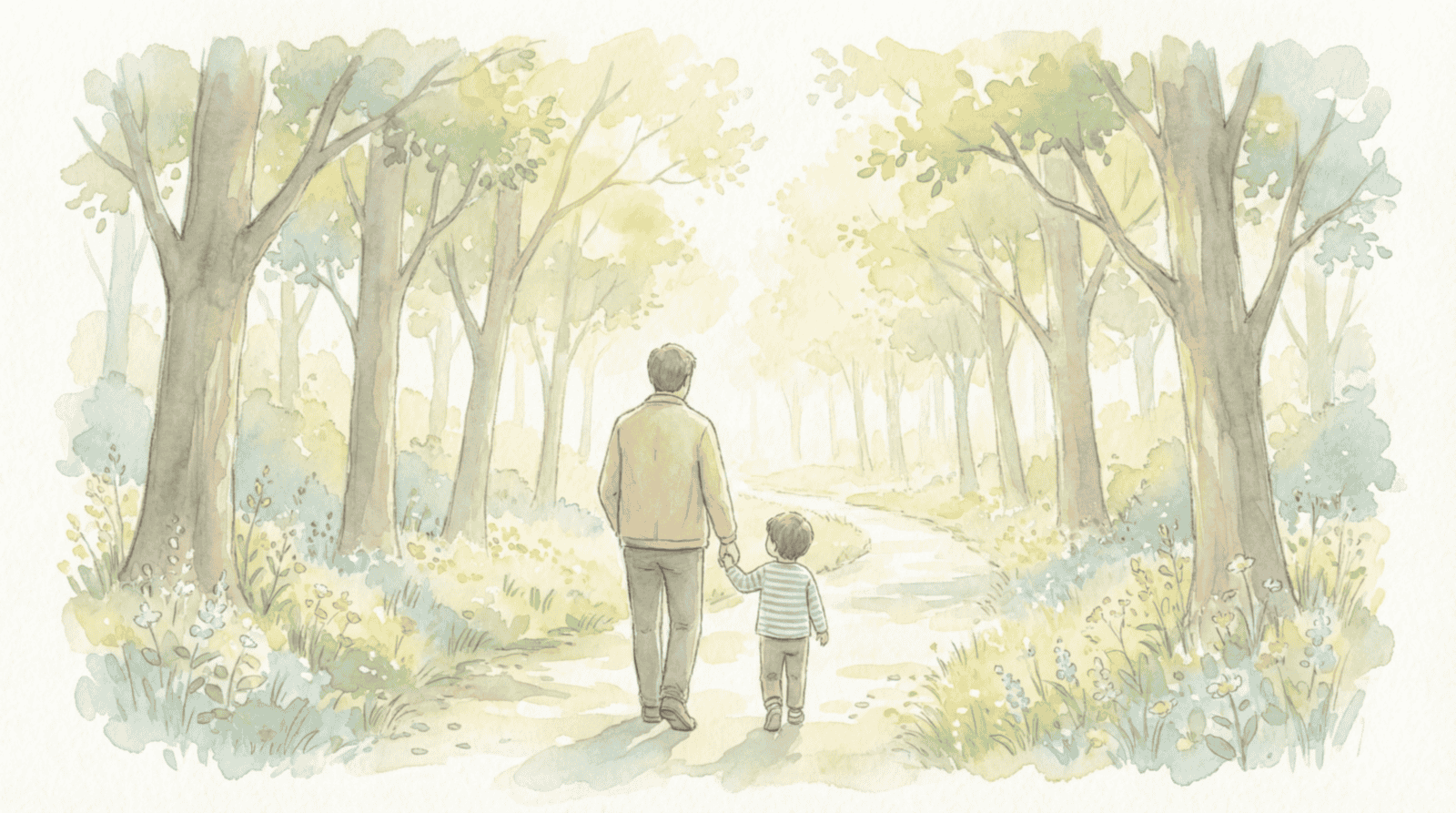
It was a Tuesday evening, and my daughter asked me to read her a bedtime story. I said yes, of course. But by the time I sat on the edge of her bed, I'd already had two glasses of wine. I read the words on the page, but I wasn't really there. My mind was foggy, my patience thin, and when she asked me to read it again, I snapped. "One time is enough."
The look on her face that night stayed with me longer than any hangover.
That was the moment I realized alcohol wasn't just affecting me. It was shaping the kind of parent I was becoming, and the kind of childhood my kids would remember.
Wine Culture and Parenting: How We Normalized It
Somewhere along the way, our culture decided that parenting and alcohol go hand in hand. "Mommy needs wine" mugs. "It's wine o'clock" t-shirts at school pickup. Playdate invitations that casually mention "bring a bottle." The message is everywhere: parenting is so stressful that you deserve to drink.
And it feels true. Parenting is hard. The tantrums, the sleepless nights, the endless mental load of keeping tiny humans alive and thriving. Alcohol promises a release valve, a way to "take the edge off" after a brutal day.
But here's what nobody talks about: the edge doesn't go away. It just gets pushed to the next morning, when you're waking up groggy, irritable, and less equipped to handle whatever chaos your kids throw at you. The cycle feeds itself: drink to cope with stress, feel worse the next day, have less patience, feel more stressed, drink again.
I wrote about this pattern in a different context in my post about high-functioning alcoholism, but it applies doubly to parenting. You can look like you have it all together while slowly losing the ability to be the parent you want to be.
Not sure which app to use? We compared the top sobriety apps to make choosing easier.
What Your Kids Actually Notice
Kids are perceptive in ways that catch you off guard. They might not understand what alcohol is, but they notice everything:
- The shift in your voice. The way you get louder or slower after a few drinks.
- Your availability. Whether you're really listening or just nodding while staring at your phone with a glass in hand.
- Your consistency. Fun, relaxed parent at 6 PM becomes short-tempered, checked-out parent by 8 PM.
- Your mornings. Whether you wake up energized and present, or drag yourself through breakfast with a headache.
- The smell. Kids notice it even when they can't name it.
Research consistently shows that children of parents who drink regularly, even without meeting clinical criteria for alcohol use disorder, are more likely to develop problematic drinking patterns themselves. They absorb the message that alcohol is how adults handle stress, celebrate, and unwind.
The uncomfortable truth is that every time you pour a drink in front of your children, you're teaching them something. Not through a lecture, but through the most powerful teaching method that exists: modeling.
Breaking Generational Patterns
When I started examining my own drinking, I realized it wasn't just a personal habit. It was a family inheritance.
My father drank after work every night. His father did too. It was never dramatic, never the kind of drinking that gets interventions or makes it into movies. It was quiet, consistent, and completely normalized. Beer with dinner. Whiskey on weekends. A drink to celebrate, a drink to commiserate, a drink because it was Thursday.
I absorbed all of it. By the time I was pouring my own nightly glass, I didn't even question it. It was just what adults did.
Breaking a generational pattern means being the person who says, "This stops with me." It means choosing discomfort now so your children grow up with a different template for how adults handle life. Research on Adverse Childhood Experiences (ACEs) shows that parental substance use is one of the key factors that shapes a child's long-term health, relationships, and even their own likelihood of addiction.
You don't have to come from a family of heavy drinkers for this to matter. Even if your parents were moderate drinkers, you can still choose to give your kids a different model. One where stress is met with a walk, a conversation, or ten minutes of deep breathing instead of a bottle.
The decision I wrote about in quitting without rock bottom applies here too. You don't need a crisis to make the change. You just need to see the pattern clearly enough to decide you want something different for your family.
How Sobriety Transforms Your Parenting
The changes started showing up within the first few weeks.
Patience. This was the biggest one. Without the irritability that comes from even mild hangovers, I found myself responding to meltdowns instead of reacting. My daughter spilled juice all over the table, and instead of sighing and snapping, I just... helped her clean it up. That might sound small, but it felt revolutionary.
Presence. Bedtime stories became something I actually enjoyed, not something to rush through so I could get back to my glass of wine. I started noticing the little things: the way my son's eyes light up when he figures out a puzzle, the specific dinosaur facts my daughter insists on telling me every single night.
Energy. Weekend mornings transformed completely. Instead of dragging through Saturday with a foggy head, I was up early, making pancakes, suggesting we go to the park. My kids got a version of me they'd rarely seen before: a parent who was genuinely excited to spend time with them. I wrote about this energy shift in my post on morning routines without hangovers.
Consistency. Kids thrive on predictability. When you're sober, you're the same parent at 8 PM that you were at 8 AM. No personality shift after dinner, no unpredictable moods. Your kids learn they can rely on you to be steady.
Emotional regulation. This one surprised me. Without alcohol numbing my emotions, I actually got better at handling them. I learned to sit with frustration instead of escaping it. And in doing so, I started modeling emotional regulation for my kids in a way I never could before.
Practical Tips for Sober Parenting
Knowing why sober parenting matters is one thing. Navigating the day-to-day reality is another. Here's what has worked for me:
Handle the "wine playdate" culture. When other parents offer you a drink, keep it simple: "I'm not drinking, thanks." You don't owe anyone an explanation. Bring your own sparkling water or fancy non-alcoholic drink if it helps you feel less conspicuous. I covered strategies for these social situations in my guide on how to answer "why aren't you drinking?".
Build a stress toolkit that doesn't involve alcohol. Parenting stress is real and it doesn't disappear just because you stop drinking. You need replacement strategies:
- A 10-minute walk around the block when the kids are driving you crazy
- Deep breathing exercises you can do while hiding in the bathroom (we've all been there)
- A "tap out" system with your partner where you take turns being the calm one
- Exercise, even if it's just a quick workout after bedtime
Talk to your kids about it (age-appropriately). You don't need to deliver a lecture on alcoholism to a six-year-old. But simple honesty works: "Mommy/Daddy decided that not drinking makes me a better parent." Kids respect honesty, and it opens the door for future conversations.
Find your sober parent community. You're not alone in this. Online communities, local groups, and even some parenting meetups are specifically designed for parents who don't drink. Having people who understand both the parenting chaos and the sobriety journey is incredibly valuable.
Track your progress. On tough days, when the kids are screaming and every fiber of your being wants a drink, it helps to see how far you've come. I use Sober Tracker to log my daily streak, and looking at that number reminds me exactly why I made this choice. The mornings, the patience, the presence: all of it is worth protecting.
Manage the financial upside. One unexpected benefit: the money I used to spend on alcohol now goes to family experiences. Weekend trips, new books, activities with the kids. I tracked this closely in my first year, and the numbers were genuinely surprising.
The Legacy You're Building
Here's what keeps me going on the hard days: I'm not just quitting drinking. I'm rewriting a story that's been playing in my family for generations.
My kids won't grow up thinking that alcohol is how adults cope. They won't associate the smell of wine with bedtime. They won't learn that stress requires a substance to manage. Instead, they'll grow up watching a parent who faces life fully present, who handles hard emotions without checking out, and who chose them over a habit.
That doesn't mean it's easy. There are still evenings when the bedtime routine feels endless and I miss the false simplicity of pouring a drink. But those moments pass. And on the other side of them is a version of parenting I didn't know was possible.
Your children won't remember what you drank. They'll remember how you made them feel. And that feeling, the one that comes from a parent who is truly, consistently, fully there, is the greatest gift you can give them.
Sober parenting isn't about being perfect. It's about being present. If you're considering making the change, know that your kids will notice the difference long before you do.