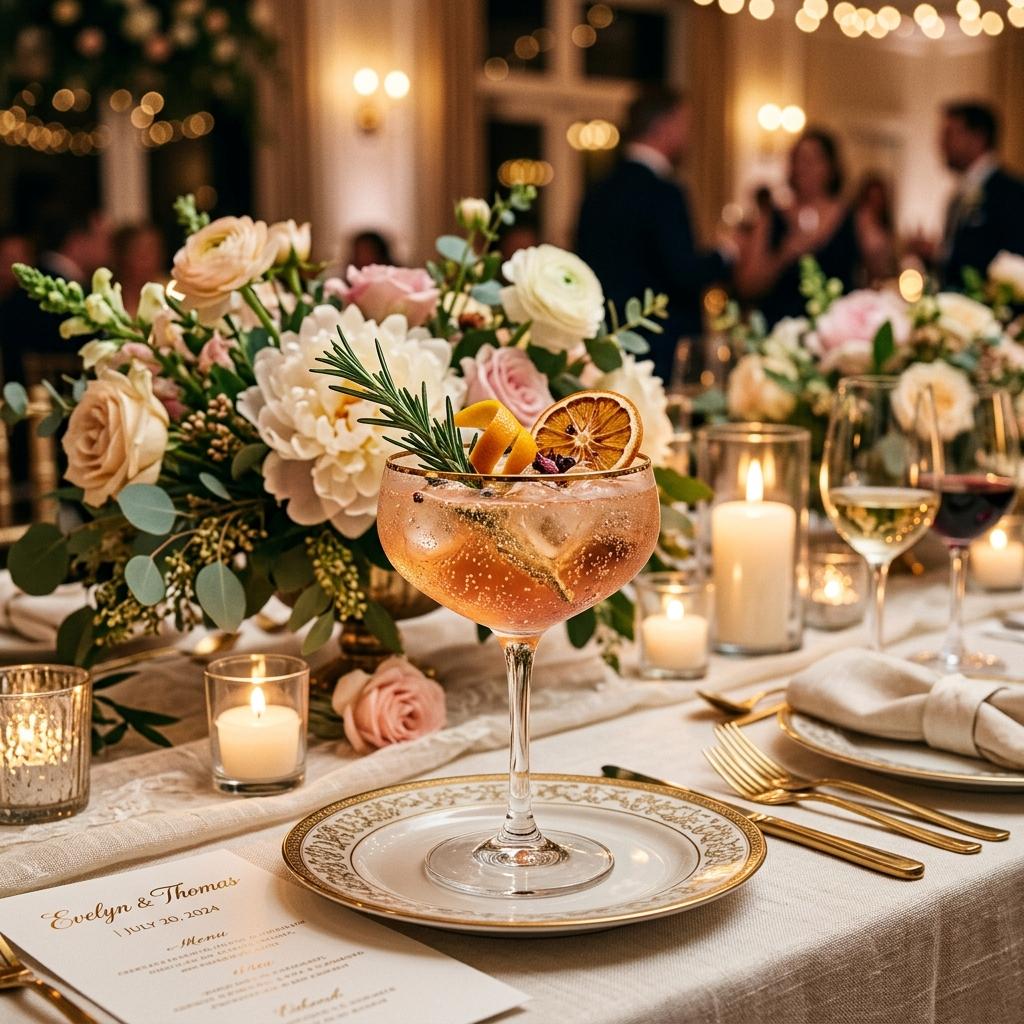
Your birthday is on Saturday. One friend assumes you will book a bar; another asks what kind of cake to bring. Before either plan takes over, decide what you actually want the day to feel like. A birthday without alcohol can be a dinner, a walk, a loud house party, or a quiet morning. The choice belongs to the person whose birthday it is.
This guide is about celebrating an ordinary birthday while not drinking. It is separate from marking a year or another sobriety anniversary. You do not need to turn your birthday into a statement about alcohol, explain your history to the guest list, or organize the whole day around avoiding a bar. Build a celebration you would enjoy, then make the alcohol question one practical detail of the plan.
Start with the kind of day you want
Choose three things before choosing a venue: your energy level, your budget, and how many people you want around you. These decisions eliminate options faster than a list of fifty party ideas.
If you want conversation, choose a table or living room where everyone can hear one another. If you want movement, organize a walk, a climbing session, a dance class, or a game with a clear start time. If you want less social effort, plan one activity with one friend and leave the evening open. A solo birthday can also be deliberate: buy breakfast somewhere you like, visit a museum, and reserve the rest of the day for a book or film.
Budget affects the mood as much as the venue. A restaurant dinner can be easy to host but expensive for guests. A picnic costs less but depends on weather and transport. A home meal takes more preparation. Write down what you are willing to spend and what guests will need to spend before inviting anyone. It is kinder to tell people the cost upfront than to surprise them at the table.
For a low-effort plan, use one anchor: a reservation at 7, a hike at 10, or cake at 3.
Sober birthday ideas that work as actual plans
An idea becomes useful when you can picture the logistics. Pick one of these formats and adapt it to your city, season, and group.
A morning activity followed by lunch
Meet at a trail, park, pool, or indoor climbing center. Set a meeting point, duration, and lunch location in the invitation. "Walk from 10 to noon, then lunch at the café by the station" gives guests enough information to say yes. It also leaves the afternoon free. Choose a route that works for the least mobile guest, or offer a direct lunch option for anyone who cannot do the activity.
A small dinner where the food is the event
Cook one main dish together, order food from a place you love, or ask each guest to bring a part of the meal. Keep the task narrow: "Bring a dessert" is easier than "Bring something." A menu card or one shared recipe makes the evening feel intentional without making you cook through your own birthday. If you want an alcohol-free home, say that plainly in the invitation rather than hoping guests infer it.
A game night with a finish time
Choose games that fit the group, not a shelf of games you hope everyone will learn. For six guests, two short games often work better than one four-hour rules lesson. Put food out before the first round. Invite people for 6 to 9 rather than "anytime after 6" if you prefer a defined evening. A finish time is also useful when you want the celebration to end while it still feels good.
A class or shared project
Pottery, cooking, drawing, an escape room, or a guided city walk gives everyone something to do between conversations. Check the price, booking policy, accessibility, and whether late arrivals can join. If the activity is costly, consider paying for one close friend instead of asking a large group to commit. A shared project works especially well when your friends do not all know one another.
A café and film double feature
Meet for cake or lunch, see a film or performance, then give people the option to stay for a short conversation afterward. This format requires little hosting and avoids the awkwardness of trying to keep a loose group entertained for an entire day. Book tickets only after confirming who can come, and tell guests whether you are covering them.
A birthday trip for one or two people
A day train ride, a new neighborhood, or one night away can be more memorable than a bigger event. Keep the plan small enough that travel does not consume the occasion. Decide who pays for transport and lodging before anyone books. If the purpose is rest, schedule empty time instead of filling every hour with activities.
The useful test is whether you would still choose the activity if alcohol had never been mentioned.
Tell guests what to expect
People fill an information gap with the usual birthday script. A clear invitation prevents that without turning your decision into a debate. For a home event, you can write: "Dinner and cake at my place from 7 to 10. I'll have sparkling water, tea, and a couple of alcohol-free drinks. Please don't bring alcohol." For an outing: "We're meeting at the park at 11, then getting lunch. No gifts needed. Bring shoes you can walk in."
If you are comfortable with other people ordering alcohol at a restaurant, you do not have to announce a rule for the whole table. Decide your own order and let others make theirs. If that setting would spoil your night, choose a venue or format that fits better. There is no obligation to host a situation you dislike just because it looks conventional.
The National Institute on Alcohol Abuse and Alcoholism distinguishes direct social pressure, such as an offered drink, from indirect pressure that comes from being around people who are drinking. A person may feel one, both, or neither. If this matters to you, plan for the pressure you actually expect. A simple "No thanks, I'm good with this" is enough; our guide to answering why you aren't drinking has other short replies if you want one ready.
Set up food and drinks without making drinks the centerpiece
At home, put water where people can find it. Add one interesting option, perhaps iced tea or fruit soda. Our non-alcoholic drinks guide has more options if you enjoy making drinks; plain water is also sufficient.
Think about the timing of the food. If people arrive at dinner time, have something ready to eat. If you plan a morning outing, know where lunch is afterward. Cake can be store-bought, homemade, or skipped.
At a restaurant, check the menu before booking. Is there food you want? Can the group hear each other? If guests pay for themselves, choose a place with several price points and say so in the invitation.
Keep a plan for an awkward moment
You might not need one. Still, a little preparation takes almost no effort. If someone offers you a drink, decline once and redirect to the conversation or food. If a guest turns your decision into a topic, say "I'm enjoying my birthday this way" and change the subject. If you hosted at home and a guest arrives with alcohol after you asked them not to, thank them for coming and put the bottle aside or ask them to take it back. You can be clear without making a scene.
If the setting brings up an urge to drink, NIAAA's guidance on handling urges suggests recognizing the trigger, talking with someone you trust, choosing another activity, or leaving a tempting situation. Build those options into the day: have one friend who knows your plan, transport you control, and a next stop you like. The point is to give yourself choices, not to predict that anything will go wrong.
For a larger event outside your home, ask one friend to help with practical things such as greeting late guests or closing the bill. That person need not know a detailed personal story. "I want to leave by 10, can you help me wrap things up?" is a complete request.
Make the next morning part of the celebration
Some birthdays end at midnight; others get better the next day. Reserve something small for the morning: breakfast with a friend, a swim, a walk to get coffee, or simply an uninterrupted hour. It gives the occasion a second chapter and may help you choose an ending time the night before.
If recording alcohol-free days is part of your routine, Sober Tracker can keep the day visible alongside the rest of your calendar. The app does not decide what a good birthday should look like. It is one place to note the choice you made, then get on with enjoying it.
Copyable birthday checklist
- Choose a format that matches your energy, budget, and group size.
- Pick one anchor activity, its start time, and an end time.
- Confirm the venue, price, transport, weather backup, and accessibility.
- Tell guests what to bring, who pays, and whether the home event is alcohol-free.
- Plan food and easy-to-find drinks.
- Keep a short reply and an exit option if you want them.
- Leave room for something enjoyable the next morning.
Frequently asked questions
Can I have an alcohol-free birthday party without telling everyone why?
Yes. Give guests the practical information they need: what is happening, what to bring, and whether alcohol is welcome at a home event. You do not owe them an account of your drinking choices. If someone asks, a brief answer can end the subject.
What if my friends usually celebrate at a bar?
Offer a specific replacement rather than asking the group to invent one: "I booked a table for dinner at 7," or "Let's do a late brunch and the gallery." A clear invitation makes it easier for friends to join the birthday you want.
Is it okay if guests drink at my birthday dinner?
It is your call. Some people are comfortable ordering a non-alcoholic drink while others order wine; others prefer a different venue. Decide before booking, and choose the setting that lets you enjoy your own celebration.
Do I need a big plan for a sober birthday?
No. One meal with one person can be enough. The useful plan covers only the pieces that otherwise create friction: where, when, cost, food, and what you want to do if the setting stops feeling right.