It is some time before 9 AM. Your mouth is dry, your skull has a pulse of its own, and the day ahead feels like a mountain. So you do what almost everyone does: you pick up your phone and type "how to cure a hangover" into the search bar, hoping there is a trick you have somehow missed.
There is good news and honest news in this article. The good news is that there are real, evidence-based things you can do to feel less terrible over the next few hours. The honest news is that none of them is a cure. A hangover is not an illness you treat. It is your body finishing a job, and the job takes the time it takes.
Here is what genuinely helps, what is a waste of effort, and the one fix that works every single time.
What a Hangover Actually Is
To understand why "cures" do not really exist, you have to understand what is happening inside you. A hangover is not one thing. It is several injuries stacked on top of each other.
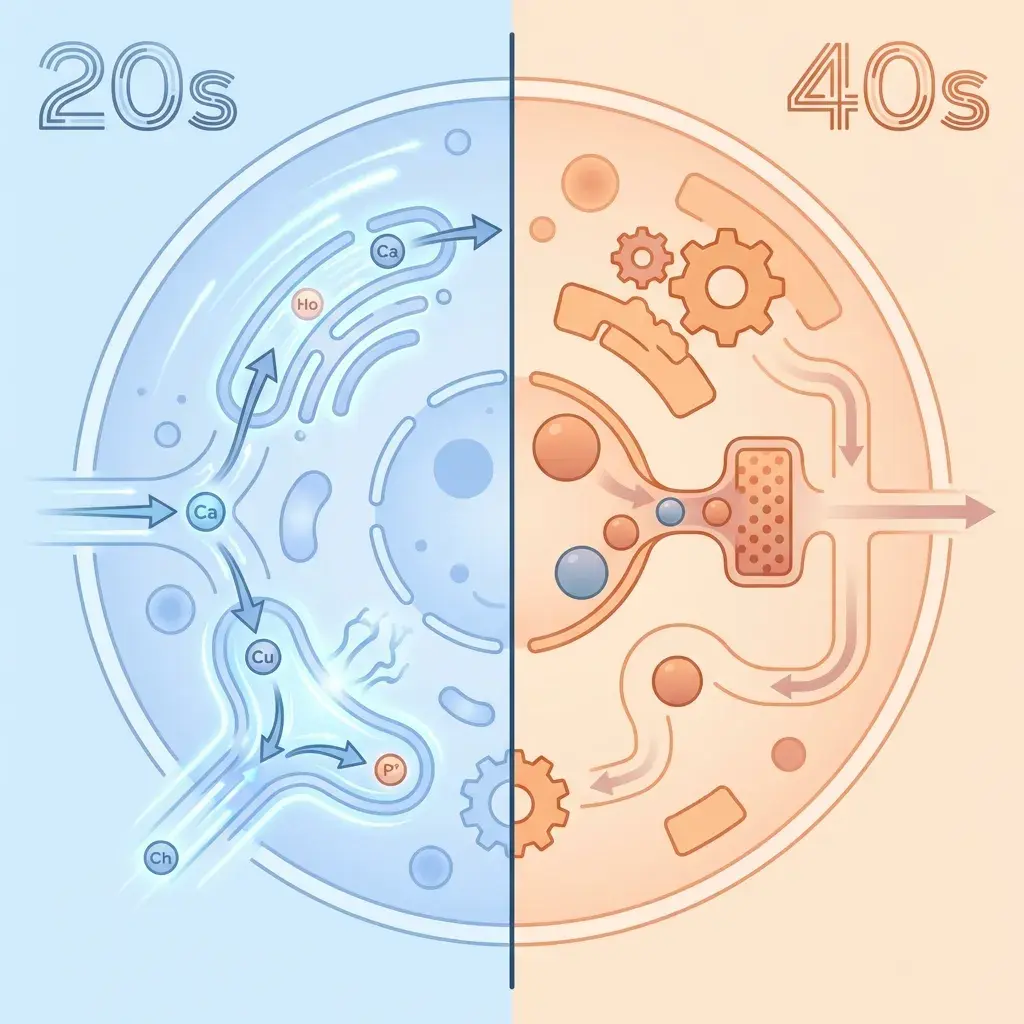
When you drink, your liver breaks ethanol down into a compound called acetaldehyde, which is far more toxic than the alcohol itself. While that acetaldehyde circulates, it triggers nausea, a racing heart, and inflammation throughout your body. We go deeper into how that process slows down over the years in the piece on why hangovers get worse with age.
On top of the toxicity, alcohol is a diuretic, so you wake up dehydrated and low on electrolytes. It is also an inflammatory event: your immune system releases signaling molecules called cytokines, and those are largely responsible for the foggy, flu-like, can't-think feeling. Alcohol wrecks the architecture of your sleep, blocking the deep and REM stages, so you wake unrested even after eight hours in bed. And as the alcohol leaves your system, your brain overcorrects with a surge of glutamate and adrenaline, which produces the jittery dread known as hangxiety, covered in detail in hangxiety explained.
So when you search for a cure, you are really asking how to instantly reverse poisoning, dehydration, inflammation, sleep loss, and a neurochemical rebound, all at once. Nothing does that. But some things genuinely help.
If you're still choosing a tracking app, our guide to the best sobriety apps compares the top options side by side.
What Actually Helps the Morning After
These will not erase a hangover. They will make the next few hours more bearable and let your body do its repair work without extra obstacles.
- Rehydrate, with electrolytes. Plain water helps, but water alone can pass straight through you. A drink with sodium and potassium, an oral rehydration solution or an electrolyte mix, holds onto the fluid better. Sip steadily rather than forcing down a litre at once.
- Eat something gentle. Low blood sugar makes a hangover worse. Easy carbohydrates such as toast, oats, a banana, or broth-based soup give your body fuel without taxing an already irritated stomach. Eggs are often praised because they contain cysteine, which helps process acetaldehyde, though the effect is modest.
- Sleep, or at least rest. Your sleep last night was chemically degraded. If you can lie down again, do it. Real sleep is the single most restorative thing available to you, even if it arrives late.
- Move gently and get fresh air. A short, easy walk can lift mood and circulation. This is not the time for a punishing workout.
- Be careful with painkillers. Avoid acetaminophen, also sold as paracetamol or Tylenol, while alcohol is still in your system: the combination is genuinely hard on your liver. An anti-inflammatory such as ibuprofen can ease the headache, but it irritates a stomach lining that alcohol has already inflamed, so take it with food and do not overdo it.
- Give it time. This is the unglamorous truth. Most hangovers resolve within 8 to 24 hours no matter what you do. Everything above simply makes the waiting less miserable.
The Myths That Waste Your Morning
Plenty of "cures" survive purely because the hangover would have faded anyway and the remedy got the credit.
- Hair of the dog. Drinking again does briefly mask symptoms, because you are topping up the alcohol your brain is rebounding from. You are not curing anything. You are pressing snooze and making the eventual hangover worse. It is also a habit that quietly normalizes morning drinking, which is a road worth not starting down.
- The greasy fry-up. A heavy fried breakfast does not absorb or soak up alcohol. Eating fatty food before or while drinking slows absorption, but the morning after, all a greasy plate does is sit heavily in a queasy stomach.
- Coffee. A coffee may make you feel more alert, but caffeine is also a diuretic and can sharpen anxiety, which is the last thing a hangxious brain needs. One cup is fine. Treating it as the cure is not.
- Sweating it out. Saunas, hot yoga, and hard exercise do not flush alcohol from your body. Your liver does that on its own schedule. Meanwhile you are losing more fluid you cannot easily afford.
- Miracle pills and IV drips. Hangover supplements and drip clinics make confident claims, but the evidence behind them is thin to nonexistent. An IV delivers fluid quickly, but you can rehydrate with a glass and some electrolytes for a tiny fraction of the cost.
- Burnt toast. The folk logic is that the carbon acts like a filter. By the time you have a hangover, the alcohol is long since absorbed. There is nothing left for the toast to filter.
If You Are Going to Drink Anyway: Damage Control
Prevention works better than any cure, because it reduces the size of the injury before it happens. None of this makes drinking consequence-free, but it lowers the severity.
Pace yourself and alternate every alcoholic drink with a glass of water. Eat a proper meal before and during, especially something with protein and fat, to slow absorption. Choose lighter-colored drinks where you can: darker spirits and red wine carry more congeners, the byproducts of fermentation that tend to make hangovers harsher. Stop drinking well before bed so your body has a head start on processing. And know your own limit honestly rather than the limit you had ten years ago.
Notice, though, what every one of those tips really says. The hangover scales with the amount you drink. There is no version of these habits that gets you to zero. They only ever shrink the bill. They do not cancel it.
The One Cure That Always Works
Here is the part nobody puts at the top of a "hangover cure" article, because it is not what people want to hear at 8 AM with a headache.
There is exactly one intervention with a 100 percent success rate. It is free, it has no side effects, and it works every single time. You do not drink.
A hangover is not a malfunction. It is not bad luck or a weak constitution. It is the predictable, scheduled bill for the night before, and your body is simply an honest accountant. Every remedy in this article is an attempt to negotiate that bill down after it has already been charged. The only way to not pay it is to not run it up.
It is worth sitting with how strange the usual approach is. People will research electrolyte ratios, buy expensive supplements, and book IV drips, all to manage a problem that has one obvious off switch. We pour enormous effort into optimizing the cure and almost none into the cause. If a particular food made you feel poisoned for a day every time you ate it, you would not build a morning-after protocol around it. You would stop eating it.
And the math has quietly shifted against drinking anyway. As the age article explains, the recovery window keeps getting longer. A hangover used to cost a slow morning. Now it can cost two foggy days, a wave of anxiety, and sleep that does not feel like sleep. The few hours of buzz have not changed. The price has gone up.
This is why so many people who set out to "get better at hangovers" end up somewhere they did not expect: questioning the drinking itself. Once you see the hangover clearly as a cost rather than an accident, drinking less, or not at all, stops feeling like deprivation and starts feeling like simple arithmetic. If that idea is landing, the complete guide to quitting drinking is a calm place to start.
Where Sober Tracker Comes In
Deciding not to drink is one moment. Staying with that decision through the next Friday, the next celebration, the next stressful week, is the real work, and that is where it helps to see your progress.
This is what Sober Tracker is built for. It is a private, no-account day counter that quietly tallies your alcohol-free days. Every morning you wake up clear-headed instead of searching "how to cure a hangover," that is another number added to a streak you can actually see. There is no social feed and no audience: just a count, climbing, that turns an abstract intention into something concrete enough to protect.
Plenty of people find that the streak itself becomes the reason they keep going. A hangover-free morning is pleasant. A hangover-free morning that also extends a number you have spent weeks building is a lot harder to trade away for one night of drinks.
The Bottom Line
If you woke up rough today, be kind to your body: rehydrate with electrolytes, eat something gentle, rest, get a little fresh air, skip the acetaminophen, and let time do the rest. Ignore the hair of the dog, the greasy fry-up, the sweat-it-out advice, and the miracle pills. They cost you effort and money and change nothing.
But hold onto the larger point once the headache fades. There is no cure for a hangover, because a hangover is not a disease. It is a receipt. The only way to never get one again is to stop signing for the thing that prints it. Every other "cure" is just a slower, more expensive way of paying.
The clear morning you are wishing for today is not something you have to chase or earn back. It is simply the default state of a body that was not given alcohol the night before. You can have it tomorrow, and the day after, and every day you choose to.
Tired of starting the day searching for a hangover cure? Sober Tracker counts your alcohol-free days and your clear, hangover-free mornings. No account, no feed, no pressure: just a streak that proves the change is real.
This article is educational and not a substitute for medical advice. If you are dependent on alcohol, stopping suddenly can be dangerous and should be medically supervised. Talk with a healthcare provider about the safest path for you.