There is a reason people who have not seen you in a year notice something before they can name it. The skin looks a little tired, the eyes a little puffy, the face a touch heavier or more lined than the calendar says it should be. They will often blame stress or poor sleep, and they are not entirely wrong, but underneath those things there is frequently a quieter culprit doing steady work in the background. Alcohol does not only cost you a rough morning. It speeds up the clock.
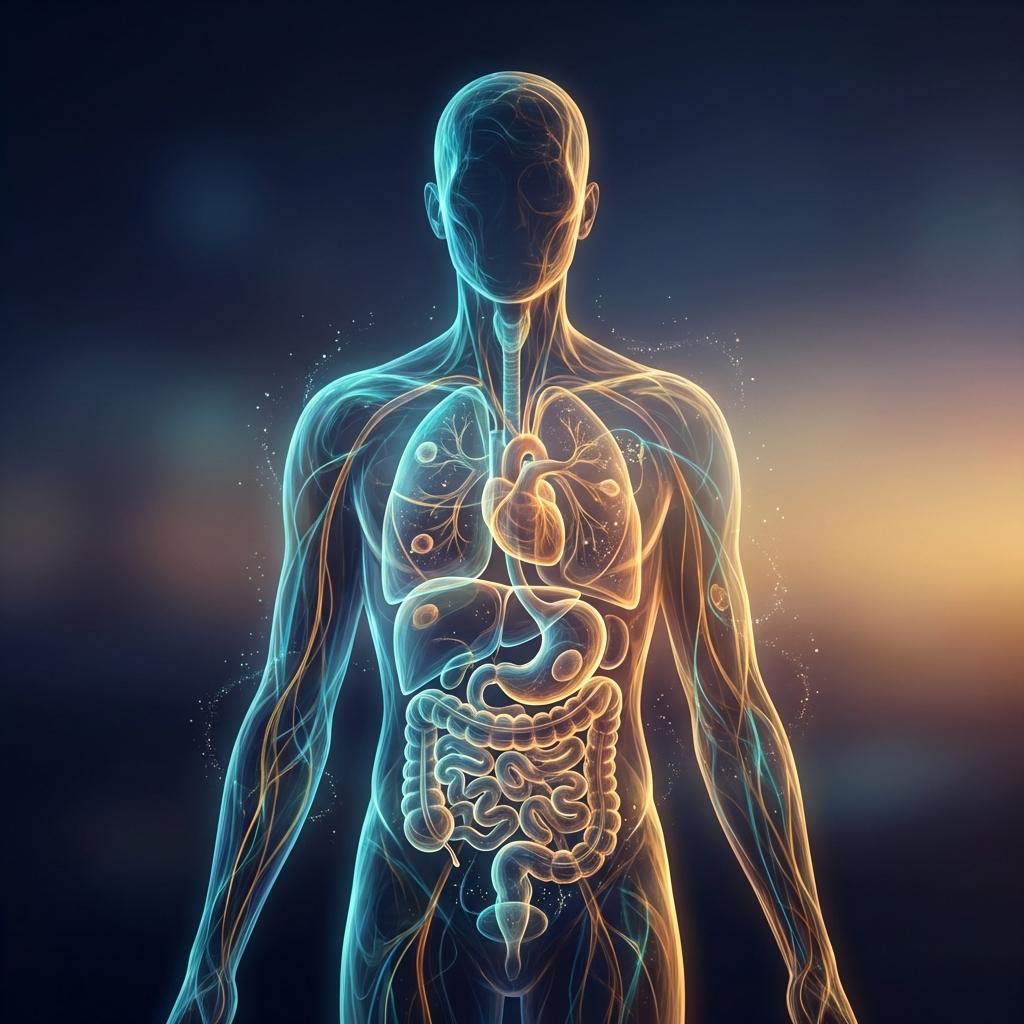
Aging is not a single event. It is the slow accumulation of damage that your body cannot fully repair, and alcohol feeds almost every channel through which that damage builds. It dehydrates, it inflames, it disrupts sleep, it strips nutrients, and at the cellular level it appears to wear down the very structures that determine how fast you age. The result is a gap that opens up between your chronological age, the number of birthdays you have had, and your biological age, the condition your body is actually in. Drinking widens that gap. Stopping narrows it.
Chronological Age vs Biological Age
Everyone your age has lived the same number of years. Not everyone has the same biological age. Two people born on the same day can have arteries, brains, and skin that differ by a decade or more, and scientists can now measure this directly. Tools called epigenetic clocks read chemical marks on your DNA to estimate how old your body behaves, regardless of your birth certificate. When your biological age runs ahead of your chronological age, you are aging fast. When it lags behind, you are aging slow.
Alcohol consistently shows up on the wrong side of this equation. Heavier drinking is associated with epigenetic age acceleration, meaning the body reads as older than it is. This is the scientific spine underneath the everyday observation that heavy drinkers often look and feel older than their years. It is not vanity or imagination. It is measurable wear, and alcohol is one of the most modifiable inputs feeding it.
If you're still choosing a tracking app, our guide to the best sobriety apps compares the top options side by side.
Your Face Tells the Story First
The skin is the organ people read without realizing they are reading it, and it is one of the first places drinking shows. Alcohol is a diuretic, so it pulls water out of the body faster than you replace it. Chronically dehydrated skin loses plumpness, fine lines deepen, and the face takes on a drawn, tired quality that no amount of sleep fully fixes while the drinking continues.
It goes deeper than water. Alcohol dilates the small blood vessels near the surface of the skin, and over years that repeated dilation can leave permanent redness and visible broken capillaries across the cheeks and nose. It also drives inflammation and depletes the nutrients your skin needs to rebuild, particularly vitamin A, which is central to collagen production. Collagen is the scaffolding that keeps skin firm and elastic, and when its renewal slows, sagging and wrinkling speed up. People who quit often describe the reverse process clearly, the puffiness draining away and a brightness returning, a shift documented in detail in our breakdown of how your skin clears and brightens week by week after you stop drinking.
The Brain Ages on a Faster Track
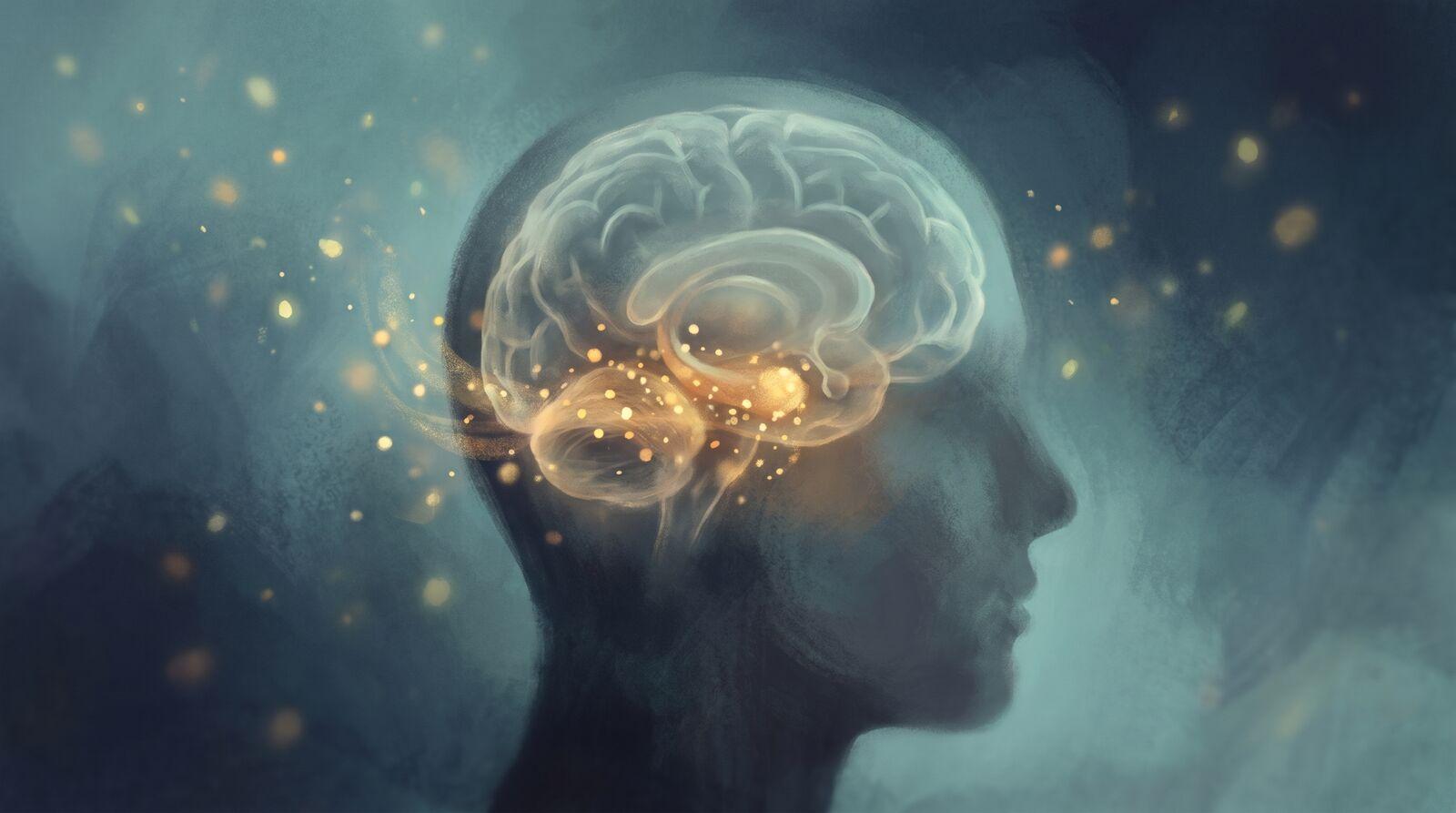
If the skin is where aging shows, the brain is where it costs the most. Brain imaging research has repeatedly found that regular alcohol intake is associated with reduced brain volume, and the relationship holds even at levels many people consider moderate. The brain naturally loses a little volume as we age, and alcohol appears to accelerate that shrinkage, effectively adding years of aging to the organ you most want to protect.
That accelerated decline is not just a matter of size. Alcohol damages white matter, the wiring that lets different brain regions communicate quickly, and it interferes with the birth of new neurons in the hippocampus, the memory center. Over time this compounds into the fog, the slower recall, and the dulled sharpness that heavy drinkers often notice, and at the far end it raises the risk of cognitive decline and dementia, a link we cover in our piece on alcohol, blackouts, and long-term dementia risk. The encouraging side is that the brain has real capacity to recover once the insult stops, with measurable improvements in volume and function during sustained sobriety, as detailed in our look at how the brain heals after you quit.
Inflammaging: The Slow Internal Burn
Researchers have a word for one of the central engines of aging: inflammaging, the chronic, low-grade inflammation that smolders in the body for years and gradually damages tissues throughout. It is implicated in heart disease, diabetes, arthritis, cognitive decline, and frailty, the whole catalog of conditions we associate with getting old. Alcohol pours fuel directly onto this fire.
Every drink is metabolized into acetaldehyde, a toxic compound that triggers inflammation and oxidative stress before the body breaks it down further. Alcohol also disrupts the gut lining, allowing bacterial fragments to leak into the bloodstream and provoke a wider inflammatory response, a process tied to the broader story of how drinking damages your gut and microbiome. The combined effect is a body kept in a persistent state of inflammation, which is precisely the state that accelerates aging across every system at once. Lowering that inflammatory load is one of the quieter but most powerful reasons sobriety pays off over decades, not just weeks.
Telomeres and the Cellular Clock
To understand why alcohol reaches so deep, it helps to look at telomeres, the protective caps on the ends of your chromosomes. Think of them like the plastic tips on shoelaces. Every time a cell divides, the telomeres shorten a little, and when they get too short the cell can no longer divide properly and either dies or turns senescent. Telomere length is one of the most studied biological markers of aging, and shorter telomeres are broadly associated with earlier onset of age-related disease.
Research using large genetic datasets has found that higher alcohol consumption is associated with shorter telomeres, and the genetic approach is important because it strengthens the case that alcohol is part of the cause rather than just a bystander correlated with other unhealthy habits. The likely mechanism ties back to inflammation and oxidative stress, the same forces above, which are known to erode telomeres faster. In plain terms, heavy drinking appears to shorten the cellular fuse that helps determine how long your tissues can keep renewing themselves.
The Sleep and Hormone Tax
Aging is also driven by what happens at night and by the hormones that orchestrate repair, and alcohol quietly degrades both. It is notorious for wrecking deep sleep, the stage when the body releases most of its growth hormone and does the bulk of its cellular maintenance. A few drinks may help you fall asleep, but they fragment the second half of the night and suppress the restorative deep stages, so the nightly repair process that keeps you young runs at a deficit, night after night.
The hormonal picture compounds it. Alcohol raises cortisol, the stress hormone that, when chronically elevated, breaks down muscle, thins skin, and promotes the kind of central fat gain associated with metabolic aging. It also disrupts the sex hormones that help maintain muscle mass, bone density, and skin quality as we get older. The net effect is a body that recovers less and breaks down more, which is a fairly precise description of accelerated aging.
What Winds Back When You Stop
The hopeful part of this story is that the body is not purely a one-way ledger of damage. A great deal of what alcohol accelerates begins to reverse once you remove it, and the order in which it happens is fairly predictable. In the first weeks, hydration returns and sleep deepens, so the puffiness fades and the under-eye shadows lift. Over the following months, inflammation subsides, skin renews with better collagen support, and energy and mental clarity climb as the brain repairs. This broader bounce-back across the whole body is mapped out in our guide to how the body heals month by month after quitting alcohol.
The deeper markers move more slowly, but they do move. As chronic inflammation falls and sleep normalizes, the conditions that were accelerating your biological clock ease off. You cannot lengthen telomeres or undo every year of accumulated damage by stopping, but you can take your foot off the accelerator, and for most people that shift alone changes the trajectory of how they age from this point forward. The face that looked tired starts to look rested. The decade-ahead biological age starts drifting back toward the calendar.
Making the Turnaround Visible
The frustrating thing about aging is that it is invisible day to day, which is exactly why the early payoff of quitting can be hard to feel even as it is happening. The changes are real but gradual, and gradual is easy to discount. Keeping a simple count of your alcohol-free days turns that slow, invisible repair into something concrete you can see, which makes it far easier to stay the course long enough for the deeper anti-aging benefits to compound. Sober Tracker is a private, no-account streak counter built for exactly that, a quiet daily reminder that every day you do not drink is a day you spend aging slower instead of faster.
Conclusion
Alcohol is one of the few aging accelerants you can simply choose to remove. It works on your appearance through dehydration and collagen loss, on your brain through accelerated shrinkage, and on your entire body through chronic inflammation, oxidative stress, disrupted sleep, and shortened cellular fuses. None of that is destiny. The same systems that alcohol pushes toward fast aging shift the other way once you stop, and they keep improving for as long as you stay alcohol-free. You will not turn back every clock, but you get to decide which direction the hands move from here.
The question is not whether alcohol ages you. The research has settled that. The question is how many of those years you would like back.
Frequently Asked Questions
Does alcohol really make you age faster?
Yes. Alcohol accelerates aging through several mechanisms at once: it dehydrates the skin and depletes collagen-supporting nutrients, it drives chronic inflammation and oxidative stress that damage tissues throughout the body, it is associated with faster brain shrinkage, and heavier drinking is linked to shorter telomeres and accelerated epigenetic age. The result is a biological age that runs ahead of your actual age.
Will I look younger if I stop drinking?
Most people do. Within the first one to two weeks, improved hydration and deeper sleep reduce puffiness and under-eye shadows. Over the following months, reduced inflammation and restored collagen support lead to firmer, brighter, more even skin. Many people report looking noticeably younger after several months alcohol-free, because they have removed a daily source of dehydration, inflammation, and poor sleep.
Does alcohol shorten your telomeres?
Research using large genetic datasets has found that higher alcohol consumption is associated with shorter telomeres, the protective caps on chromosomes that shorten as cells age. Because the studies use genetic methods, they strengthen the case that alcohol contributes to the shortening rather than simply being correlated with it. The likely drivers are the inflammation and oxidative stress that alcohol generates, both of which erode telomeres faster.
Can quitting alcohol reverse aging?
It cannot undo every year of accumulated damage or lengthen telomeres, but it can stop and partly reverse much of what alcohol was accelerating. Hydration, sleep, skin quality, brain function, and inflammation levels all improve during sustained sobriety. In practical terms, quitting takes your foot off the aging accelerator and bends your long-term trajectory toward slower, healthier aging.
How long until I see anti-aging benefits after quitting?
Visible changes in skin and under-eye puffiness often appear within one to two weeks as hydration and sleep improve. Skin brightness and firmness continue developing over two to six months. Deeper benefits like reduced inflammation, brain recovery, and a slower-moving biological clock build over many months to years of staying alcohol-free, and they keep compounding the longer you continue.
Want to see your slower-aging streak add up? Sober Tracker is a private, no-account counter for staying alcohol-free, turning the invisible work of aging slower into a number you can watch grow every day.
This article is educational and not a substitute for medical advice. If you drink heavily or daily, do not stop abruptly without guidance, as sudden withdrawal from heavy long-term drinking can be dangerous and should be medically supervised.