Hair is the last thing most people connect to their drinking. You might notice the puffy face, the tired skin, the extra weight, long before it occurs to you that the strands collecting in the shower drain or the brittle, ridged nails that keep splitting could be part of the same story. But hair and nails are made from the same raw materials alcohol depletes, grown by follicles that depend on the exact nutrients, hormones, and circulation that regular drinking disrupts. They just tell the story slowly, on a delay of months.
This article explains how alcohol contributes to hair thinning and weak nails, why the damage shows up late and recovers late, and what a realistic regrowth timeline looks like after you quit. If you are hoping for a dramatic before-and-after in two weeks, this is the one recovery on the map that asks for patience, because it runs on the biology of the hair cycle itself.
How Alcohol Thins Your Hair
Alcohol does not attack hair directly the way it attacks the liver. Instead it removes the conditions hair needs to grow, through several overlapping mechanisms.
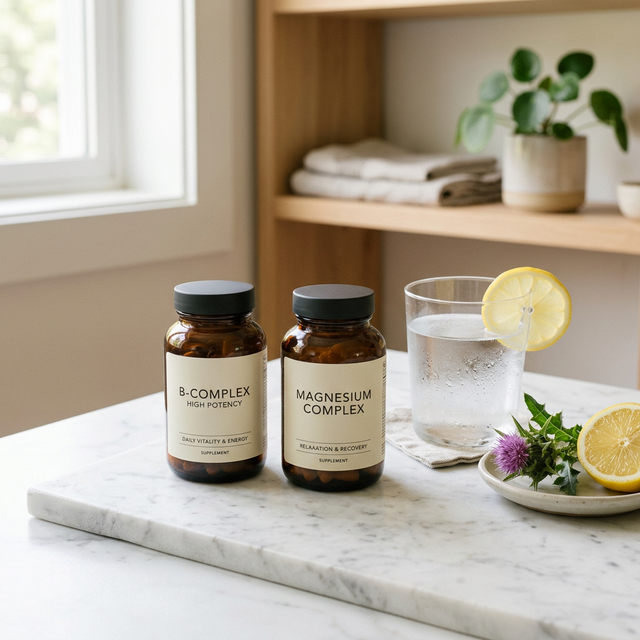
Nutrient depletion is the biggest one. Healthy hair depends on a steady supply of protein (hair is mostly keratin, a protein), zinc, iron, biotin and the other B vitamins, and vitamin D. Alcohol sabotages all of these: it suppresses appetite for nutrient-dense food, irritates the gut lining so you absorb less of what you do eat, and acts as a diuretic that flushes water-soluble vitamins. Zinc and iron deficiency in particular are strongly linked to hair shedding, and both are common in regular drinkers. Our guide to supplements in recovery covers the nutrients most often depleted.
Hormonal disruption adds to it. Alcohol raises cortisol and disrupts the balance of testosterone and estrogen, and hormonal shifts are one of the most common drivers of hair thinning in both men and women. The full hormonal picture is in our hormones and recovery guide.
Then there is stress and sleep. Chronic stress, elevated cortisol, and the broken sleep that comes with drinking can push a larger-than-normal share of hair follicles into their resting and shedding phase, a condition called telogen effluvium. Dehydration and poorer scalp circulation round out the picture, leaving hair drier, more brittle, and slower to grow.
A free sobriety tracker app makes progress like this much easier to see, and our comparison guide breaks down which ones do it best.
Why Your Nails Break Too
Nails are a smaller version of the same story. Like hair, they are built from keratin and grown from a matrix that depends on protein, biotin, iron, and zinc. Drinkers often notice brittle nails that split and peel, slow growth, white spots (sometimes linked to zinc deficiency), and horizontal ridges. Chronic heavy drinking can even affect nail color and shape through its effects on the liver and circulation. Because nails grow slowly, they are a quiet record of your nutritional state over the previous several months.
Why Hair and Nails Recover Slowly
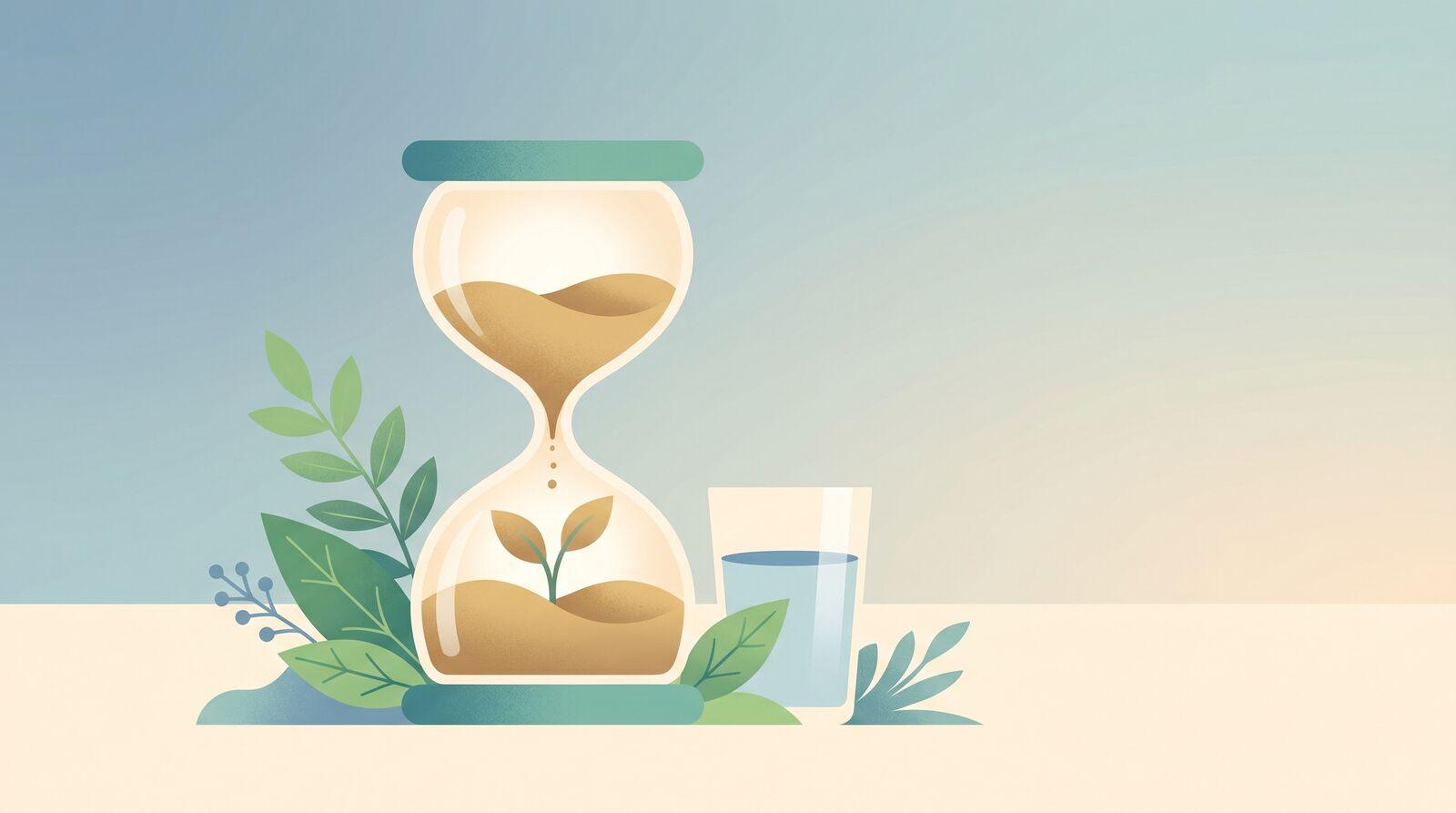
Here is the crucial thing to understand before you quit expecting overnight results: the hair you can see is already dead. A follicle spends years in its active growth phase, then weeks resting, then sheds and regrows. When you improve conditions by quitting, you are influencing the next cycle, not the strand currently on your head.
That is why hair is the slowest section of the whole physical recovery map. Your skin can visibly transform in weeks, but hair works on the follicle's schedule, which means months. This is not a sign that quitting is not working. It is simply how the biology is built.
The Recovery Timeline
Weeks 1 to 4. Nothing visible on your head yet, but the groundwork is laid. Hydration returns, nutrient absorption in the gut begins to improve, and your body stops flushing the vitamins hair needs. Interestingly, some people notice a brief increase in shedding in the first weeks; this is usually the normal turnover of follicles that were already destined to shed, and it passes.
Months 1 to 3. Nails often show the first visible improvement here, because they grow faster than scalp hair and respond sooner to better nutrition: less breakage, smoother surface, faster growth. Iron and zinc levels climb as your gut heals and your diet improves, quieting one of the main drivers of shedding.
Months 3 to 6. New hair growth from healthier follicles starts becoming visible: baby hairs along the hairline, more density, and hair that feels stronger and less brittle. Because scalp hair grows roughly one centimeter a month, this is the window where the recovery finally becomes something you can see in the mirror.
Months 6 to 12. Full expression of the improvement. Hair that started growing under better conditions has now reached a visible length, hormones and nutrient stores have stabilized, and scalp circulation has improved. This is when people who quit for their appearance often get the compliments.
A realistic caveat: if your hair thinning is primarily genetic (androgenetic alopecia, the common pattern baldness in men and women), quitting alcohol will not reverse the genetics. What it will do is remove the nutritional, hormonal, and stress-related factors that were accelerating the loss on top of the genetics, which for many people meaningfully slows it and improves the hair they keep.
How to Support Regrowth
- Eat for keratin. Adequate protein plus iron (red meat, lentils, spinach), zinc (shellfish, seeds, legumes), and B vitamins give follicles their raw materials. As appetite returns in sobriety, aim it at nutrient-dense food.
- Consider targeted supplements, sensibly. If bloodwork shows you are low in iron, zinc, or vitamin D, correcting the deficiency helps; our recovery supplements guide covers what is actually worth taking. Megadosing biotin when you are not deficient does little.
- Rehydrate. Proper hydration supports scalp circulation and less brittle hair and nails.
- Protect your sleep and manage stress. Lowering cortisol pulls follicles back out of the shedding phase over time; the sleep improvements of sobriety do a lot of this work for you.
- Be patient and consistent. This recovery rewards months, not days. The people who see the best results are simply the ones who stayed stopped long enough for a full growth cycle to express itself.
Frequently Asked Questions
Does alcohol directly cause baldness?
Not directly, and not in the way genetics does. Alcohol contributes to hair loss indirectly, through nutrient deficiency, hormonal disruption, dehydration, and stress. For people genetically prone to pattern baldness, these factors can accelerate and worsen the loss, which is why quitting often slows it.
How long after quitting will my hair improve?
Expect the first visible improvements in nails within one to three months, and in scalp hair around three to six months, with fuller results by six to twelve months. Hair grows on a fixed biological schedule, so patience is unavoidable.
Why is my hair shedding more right after I quit?
A brief increase in shedding in the first weeks is common and usually reflects the normal release of follicles that were already in their resting phase. It typically settles, followed by healthier regrowth. If heavy shedding persists for months, see a doctor to check for iron or thyroid issues.
Growing Back on Its Own Schedule
Hair and nails are the long game of sobriety. They will not reward you next week, but they keep a faithful record, and somewhere around month three or four the mirror starts handing back the evidence that everything else in your body has already been doing for a while. The catch is simply time: a full hair cycle has to turn over, and that only happens if the days keep adding up.
That is where a quiet counter helps most, precisely because the payoff is slow. A private day tracker like Sober Tracker keeps the number visible while your follicles do their unhurried work, no account and nothing shared, just a streak that reaches the four-month mark right about when the mirror catches up.
This article is educational and not a substitute for medical advice. Sudden or patchy hair loss can signal thyroid, iron, or other medical issues worth evaluating, and if you drink heavily every day, talk to a doctor before quitting abruptly.