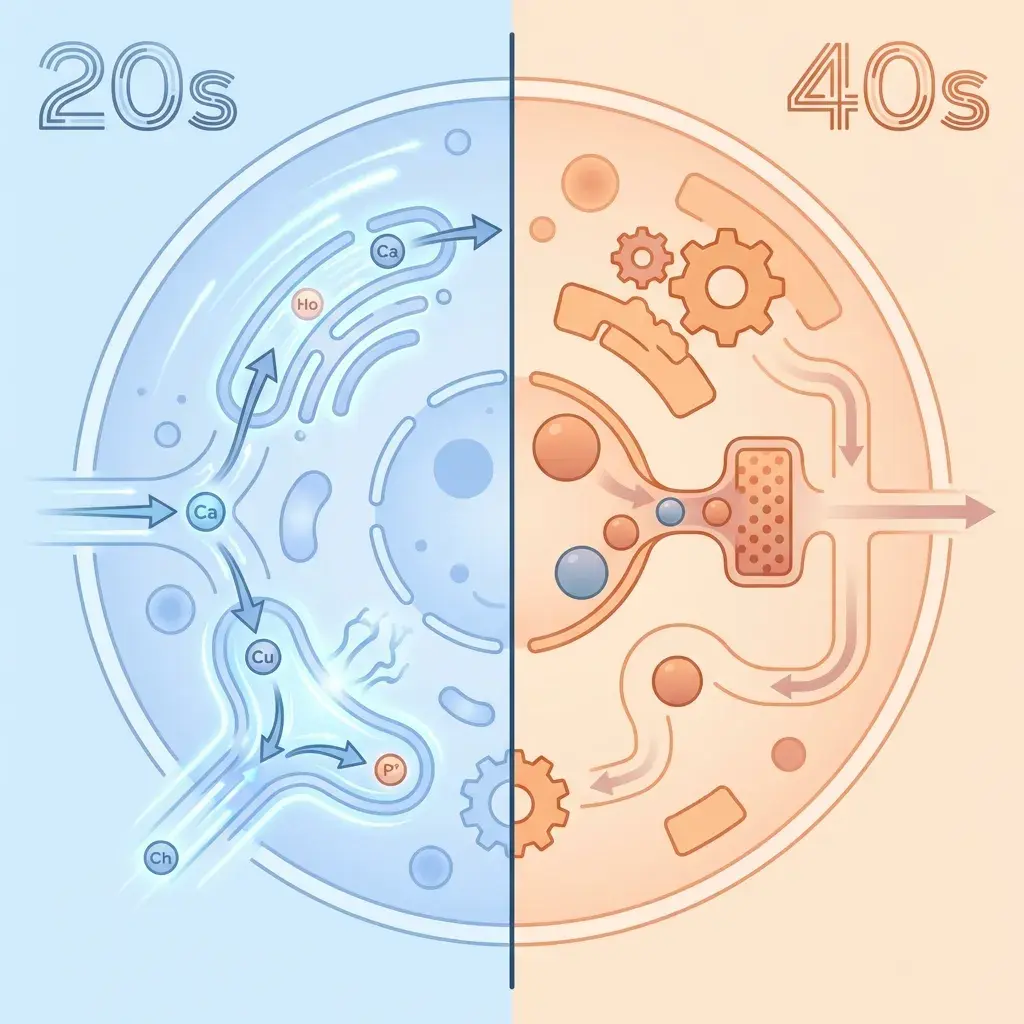
Dřív jste si v úterý mohla dát dvě skleničky vína a druhý den ráno se cítit v podstatě v pohodě. Teď, někde po čtyřicítce, vás stejné dvě skleničky nechají ve tři ráno úplně vzhůru, zpocenou, s bušícím srdcem a hlavou, která se nepřestane točit kolem e-mailu, který jste odeslala před pěti hodinami.
Nestala se z vás slabší povaha. Vaše tělo vás nezradilo. Změnily se vám hormony a alkohol přestal být tou drogou, kterou býval.
U většiny žen začíná tento posun v perimenopauze (která může nastat už koncem třicítky a obvykle trvá čtyři až deset let, než přijde samotná menopauza) a zesiluje se během přechodu k menopauze. Stejné množství alkoholu, které tělo desítky let pohodlně zpracovávalo, vás najednou zasáhne jako cizinec.
Pokud se váš vztah k pití ve středním věku mění, příčina je biologická, ne psychologická. A jakmile pochopíte, co se děje, je mnohem těžší obhájit tu večerní skleničku.
Co se vlastně mění během perimenopauzy a menopauzy
Pro to, jak zpracováváte alkohol, jsou nejdůležitější tři hormonální změny:
Estrogen klesá, pak se zhroutí. Estrogen pomáhá regulovat enzymy, které metabolizují alkohol (alkoholdehydrogenázu a aldehyddehydrogenázu), a podporuje funkci jater. Jak estrogen klesá, zpracováváte alkohol pomaleji. Hladina alkoholu v krvi po stejné skleničce zůstává déle vyšší.
Progesteron klesá dřív a rychleji. Progesteron je přirozený zklidňující hormon vašeho těla. Moduluje GABA, tentýž neurotransmiter, na který alkohol působí. Bez dostatku progesteronu máte menší přirozený nárazník proti úzkosti a zpětný odraz, když alkohol opustí váš systém, je drsnější.
Mění se složení těla. Svalová hmota ubývá, podíl tělesného tuku roste a celkový obsah tělesné vody klesá. Protože se alkohol distribuuje skrz tělesnou vodu, stejná sklenička v těle středního věku vyvolá vyšší koncentraci alkoholu v krvi než stejná sklenička v těle pětadvacetileté ženy, a to i při stejné hmotnosti.
Výsledek: podle žádného objektivního měřítka nepijete "příliš mnoho". Pijete stejné množství, ale do těla, které se k němu stalo citlivějším.
Bezplatné počítadlo dní bez alkoholu pomáhá sledovat pokrok den po dni; v samostatném průvodci jsme porovnali nejlepší možnosti.
Pět míst, kde se menopauza a alkohol střetávají
1. Návaly horka a noční pocení se zhoršují
Alkohol rozšiřuje cévy, zvyšuje tělesnou teplotu a narušuje již tak rozkolísanou regulaci teploty v hypotalamu během menopauzy. U mnoha žen v perimenopauze spolehlivě i jediná sklenička vína večer během hodiny spustí návaly horka a přes noc výrazně více nočního pocení.
To kruté na tom: mnoho žen pije, aby se "uvolnily", právě proto, že jsou ve stresu kvůli špatnému spánku, a tato uklidňující sklenička je to, co zhoršuje noční pocení, což zhoršuje spánek, což zhoršuje stres dalšího dne. Ta smyčka funguje mechanicky.
2. Architektura spánku se hroutí
Spánek v perimenopauze je už tak narušený: klesající progesteron odebírá přirozené sedativum, návaly horka přerušují hluboký spánek a měnící se rytmy kortizolu způsobují brzké ranní probouzení.
Alkohol pak všechno tohle ještě zhoršuje. Urychluje usínání (proto se zdá, že funguje jako podpora spánku), ale potlačuje REM fázi spánku a v druhé polovině noci tříští hluboký spánek. U pětadvacetileté ženy je tento kompromis sotva znatelný. U sedmačtyřicetileté, jejíž hluboký spánek už tak ubývá o 2 až 3 procenta za desetiletí, může alkohol smazat to málo regeneračního spánku, co vám zbylo.
Proto je "jsem vyčerpaná, ale nemůžu spát" ústřední stížností pijaček v perimenopauze a proto přestat pít obvykle promění spánek ve středním věku během dvou až tří týdnů.
3. Úzkost a výkyvy nálad se zesilují
Progesteron podporuje GABA, hlavní zklidňující neurotransmiter mozku. Jak progesteron klesá, roste základní úroveň úzkosti. Mnoho žen popisuje perimenopauzu jako "pocit napětí bez zjevného důvodu".
Alkohol působí na tentýž systém GABA. První sklenička vás zklidní. Ale váš mozek to kompenzuje snížením citlivosti receptorů GABA, a když alkohol odezní (často kolem třetí ráno), dostaví se zpětný nárůst úzkosti. V mozku středního věku s již vyčerpaným progesteronem je tento odraz mnohem intenzivnější, než byl o deset let dřív.
To je zdroj "perimenopauzální hangxiety", kterou mnoho žen popisuje: ne kocovina z těžkého pití, ale vlna nevysvětlitelné úzkosti ráno po i jen mírném pití. Je skutečná, je biologická a s pokračujícím pitím se zhoršuje, ne zlepšuje.
Pro ženy, jejichž perimenopauzální úzkost se začala měřitelně projevovat v jejich nervovém systému (klidová tepová frekvence se plíživě zvyšuje, HRV klesá), může být sledování dat otevírající oči. Nástroje jako Anxiety Pulse měří tepovou frekvenci a její variabilitu skrz kameru vašeho telefonu a ranní hodnoty po dnech s pitím oproti dnům bez alkoholu jsou obvykle nezpochybnitelné.
4. Váha se přerozděluje, hlavně kolem pasu
Pokles estrogenu přesouvá ukládání tuku z boků a stehen na břicho. Metabolismus se po třicítce zpomaluje zhruba o 1 až 2 procenta za desetiletí. Citlivost na inzulin se snižuje.
Alkohol je pro toto metabolické prostředí to nejhorší možné palivo. Každý gram obsahuje 7 kalorií, vaše játra upřednostňují zpracování alkoholu před spalováním tuku (takže oxidace tuků se úplně zastaví, dokud je alkohol ve vašem systému) a alkohol narušuje signalizaci leptinu a ghrelinu, která řídí hlad, čímž zvyšuje noční chutě.
Výsledkem je dnes už notoricky známé "menopauzální bříško", které mnoho žen svádí jen na stárnutí. Stárnutí je jeho součástí. Ale alkohol je mnohem větší součástí, než si většina lidí uvědomuje.
5. Dlouhodobé riziko rakoviny prsu se sčítá
Tohle je to, o čem se většině žen neřekne.
Alkohol zvyšuje hladinu estrogenu (paradoxně, vzhledem k tomu, že menopauza znamená pokles estrogenu). U žen po menopauze zvyšuje i mírné pití (jedna sklenička denně) riziko rakoviny prsu přibližně o 7 až 10 procent. U dvou skleniček denně je nárůst rizika zhruba 20 procent.
Důvod: alkohol zvyšuje množství cirkulujícího estrogenu a prsní tkáň se po menopauze stává na vystavení estrogenu citlivější, ne méně. V kombinaci s kumulativním poškozením DNA acetaldehydem (toxickým metabolitem alkoholu) je střední věk přesně dobou, kdy se rizikový profil alkoholu vůči rakovině stává nejrelevantnějším.
Tohle není moralistické varování. Je to stejný druh počítání rizika, kvůli kterému si v 50 mažete opalovací krém, i když jste si ho ve 25 nikdy nemazala.
Proč "piju pořád stejně jako vždycky" přestává fungovat
Nejčastější zmatek ve středním věku je předpoklad, že pokud se vaše chování nezměnilo, neměly by se měnit ani následky.
Ale vaše fyziologie se změnila. Konkrétně:
- Vaše játra zpracovávají alkohol pomaleji
- Obsah tělesné vody je nižší, takže hladina alkoholu v krvi zůstává na jednu skleničku vyšší
- Architektura vašeho spánku je křehčí
- Váš hormonální nárazník proti úzkosti je vyčerpaný
- Vaše tkáně jsou citlivější na vystavení estrogenu
- Doba zotavení z kocoviny se prodloužila (proto kocoviny s věkem opravdu zhoršují)
Neděláte nic jinak. Ta droga dělá něco jiného s vámi. Stejné množství alkoholu, které bylo daní, jakou jste si ve třiceti mohla dovolit, se stalo daní, kterou si v padesáti dovolit nemůžete.
Perimenopauza je nejvíc nestabilní období
Samotná menopauza (definovaná jako 12 po sobě jdoucích měsíců bez menstruace, průměrný věk 51) je v některých ohledech stabilnější než léta, která jí předcházejí. Perimenopauza je doba, kdy hormony kolísají nejdivočeji: estrogen může vyskočit na dvojnásobek své normální úrovně a během několika dní se zhroutit, progesteron klesá dřív než estrogen a cykly se stávají nepředvídatelnými.
Tehdy také mnoho žen hlásí nejostřejší změny v tom, jak alkohol působí: večery, kdy je jedna sklenička v pohodě, a večery, kdy jedna sklenička zničí tři dny. To není nedůslednost z vaší strany. Je to skutečná hormonální nestabilita týden od týdne a alkohol ten chaos zesiluje.
Pokud jste si všimla, že se alkohol po čtyřicítce stává nepředvídatelným, je to nejspolehlivější časný signál perimenopauzy, jaký mnoho žen dostane. Sledujte ho.
Co se vlastně změní, když přestanete
U žen středního věku, které zkusí strávit 30 až 90 dní bez alkoholu, jsou nejčastější ohlasy pozoruhodně konzistentní:
- Návaly horka klesnou ve frekvenci i intenzitě během dvou týdnů
- Spánek se znatelně prohloubí během deseti až čtrnácti dnů
- Ranní úzkost ustupuje během tří až čtyř týdnů
- Viscerální tuk v oblasti břicha se začíná přesouvat během čtyř až šesti týdnů
- Pleť se vyrovná a vypadá méně nateklá během dvou až tří týdnů
- Hangxiety, která byla mylně diagnostikována jako "menopauzální deprese", často úplně zmizí
Nic z toho neznamená, že vaše příznaky perimenopauzy zmizí. Nezmizí. Ale odstraníte ten násobitel, který všechno zhoršoval dvakrát až třikrát víc, než muselo být.
Mnoho žen, které začaly ve středním věku pít méně právě kvůli těmto změnám, se nepopisuje jako "v procesu zotavení". Popisují to jako "přizpůsobení pití tělu, které teď opravdu mají". Na tom rámování záleží: nejde o sílu vůle ani o nálepky, jde o základní fyziologický soulad.
Tichá poznámka k hormonální léčbě a alkoholu
Pokud užíváte hormonální substituční léčbu (HRT), alkohol se stává relevantnějším, ne méně. HRT může interagovat s metabolismem alkoholu a kombinace HRT s pravidelným pitím může zesilovat jak rizika spojená s estrogenem (včetně rakoviny prsu), tak zátěž jater. Tohle je rozhovor, který má smysl vést s vaším předepisujícím lékařem, ne ho řešit o samotě. Nejde o to, že HRT a alkohol jsou neslučitelné, jde o to, že ta kalkulace se stává individuálnější a má smysl k ní přistupovat uvážlivě.
Jak zkusit restart, aniž by se z toho stala identita
Nejužitečnějším rámováním pro ženy středního věku je obvykle 60 až 90denní experiment, ne celoživotní závazek.
Testujete hypotézu: "alkohol možná zesiluje moje příznaky menopauzy." Tu hypotézu buď potvrdíte, nebo vyvrátíte. Pokud ji potvrdíte, můžete se rozhodnout, kolik chcete dál pít s vědomím té ceny. Pokud ji vyvrátíte, nic jste neztratila a něco jste se dozvěděla.
Soukromé počítadlo série pomáhá udělat experiment konkrétním, aniž by vás nutilo do jakékoli komunity nebo identity. Sober Tracker byl vytvořen přesně pro tento druh nenápadného sledování bez účtu, přímo v zařízení. Počítáte dny, sledujete, co se mění, a v 60. nebo 90. dni se rozhodnete sama. Nikdo to nemusí vědět.
Upřímný závěr
Rozhovor o pití ve středním věku není morální. Je to rozhovor o fyziologii.
Vaše tělo se reorganizuje způsoby, na které vás nikdo nepřipravil, a jednou z věcí, které se mění, je to, jak zpracováváte alkohol. Sklenička, která byla 25 let v pohodě, přestala být toutéž skleničkou. Ta cena přestala být toutéž cenou.
Neselháváte v umírněnosti. Správně si všímáte, že se něco posunulo. Důvěřovat tomu signálu a přizpůsobit se mu je jednou z nejvíc podceňovaných forem péče o sebe ve středním věku.
Dvě skleničky vína, které kdysi byly zdarma, už zdarma nejsou. Jakmile uvidíte, co vás ve skutečnosti stojí (spánek, náladu, návaly horka, váhu kolem pasu, dlouhodobé zdraví prsní tkáně), přestane být otázka "jak si to mám dávkovat" a začne být "stojí mi to za to ještě vůbec".
Na to dokážete odpovědět jen vy. Ale zasloužíte si odpovědět s reálnými daty v ruce.
Zajímá vás, co se změní, když si dáte 30, 60 nebo 90denní pauzu? Sober Tracker je soukromé počítadlo bez účtu, které se čistě doplňuje se sledováním menopauzy. Spárujte ho s Anxiety Pulse a sledujte, jak se váš nervový systém uklidňuje, zatímco se vaše hormony a spánek stabilizují.