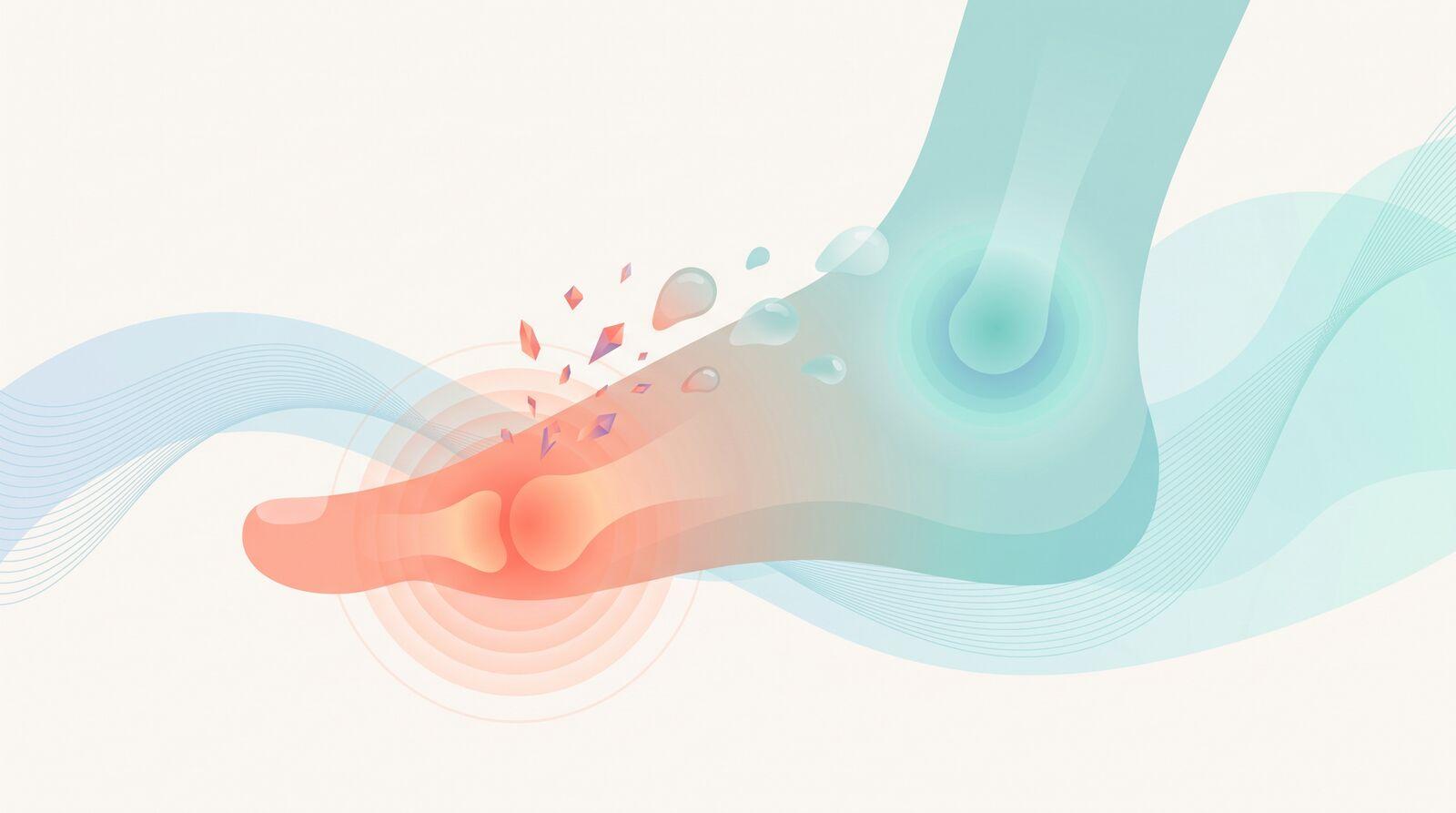
It starts as a warm burn behind the breastbone an hour after dinner, and by 2 a.m. it is a sour wash at the back of the throat that pulls you out of sleep coughing. There is a roll of antacids in the nightstand now, the way there used to be a phone charger. The morning brings a hoarse voice and a vague nausea that coffee does not help. At some point a doctor says the word GERD, hands over a prescription for a proton pump inhibitor, and runs through the usual list of things to cut: spicy food, citrus, tomatoes, chocolate, coffee, big late meals.
The list almost never leads with the drinks. The two or three glasses of wine on weeknights, the beers on the weekend, the nightcap that supposedly helps you wind down. Alcohol gets filed under "relaxing" rather than "irritant," so it survives the elimination diet while the marinara sauce gets banished. That is backwards. For a large share of people living with reflux, alcohol is not a minor contributor on a long list. It is the single most modifiable cause sitting at the top of it, and it works through several mechanisms at once.
What Acid Reflux Actually Is (And Why One Small Valve Runs It)
Reflux is simple plumbing. Your stomach is an acid bath, strong enough to break down food, lined to survive its own contents. Your esophagus, the tube that carries food down, is not. The only thing standing between the acid and the unprotected tube is a ring of muscle at the bottom of the esophagus called the lower esophageal sphincter, or LES. It is supposed to open to let food through, then clamp shut to keep stomach contents where they belong.
Acid reflux is what happens when that valve fails to hold the line and stomach acid splashes upward into the esophagus. Heartburn is the symptom you feel. When it happens often enough to do damage or disrupt your life, it gets the label GERD: gastroesophageal reflux disease. The whole condition turns on the behavior of that one muscular valve and the volume and timing of what sits below it.
Three things determine whether you get reflux on a given night: how tightly the valve closes, how much acid is in the stomach, and how long the stomach stays full. Alcohol works against you on all three at the same time, which is what makes it such an efficient reflux engine.
If you're still choosing a tracking app, our guide to the best sobriety apps compares the top options side by side.
How Alcohol Actually Causes Reflux
It relaxes the valve
The LES is a muscle, and alcohol is a muscle relaxant. The same loosening effect people drink for, the unwinding in the shoulders and jaw, happens to the sphincter at the bottom of the esophagus. It goes slack. The valve that is supposed to clamp shut after dinner instead sits loose, and stomach contents get a clear path back up. This is the central mechanism, and it explains why even a "gentle" drink with no spice and no acid of its own can trigger a brutal night of reflux. The drink does not have to be irritating on the way down. It just has to open the door.
It cranks up stomach acid
Alcohol is also a direct stimulant of gastric acid secretion. It tells the stomach to produce more acid, particularly fermented drinks like beer and wine, which are among the strongest acid stimulants in the diet. So at the exact moment the valve is hanging open, the reservoir below it is being topped up with extra acid. More acid, weaker gate. On top of that, alcohol strips the protective mucus layer that shields the stomach lining, which is how chronic drinking drives gastritis and inflammation through the whole digestive tract. An inflamed, acid-heavy stomach refluxing through a loose valve is the worst-case version of the plumbing.
It slows the stomach from emptying
A full stomach refluxes more than an empty one, because there is simply more volume pressing up against the valve. Alcohol delays gastric emptying, meaning food and liquid sit in the stomach longer than they should. The late dinner with wine that should have cleared in a couple of hours is still sitting there when you lie down, sloshing against a relaxed sphincter. This is why the reflux so often peaks overnight rather than right after the meal.
It dulls the esophagus's own defenses
The esophagus is not entirely passive. It clears acid back down with rhythmic contractions and neutralizes it with swallowed saliva. Alcohol blunts both. It impairs the muscular clearing motions and reduces the protective response, so when acid does splash up, it lingers longer against the unprotected lining instead of being swept back down. The same drink that caused the reflux also slows the cleanup.
The Nighttime Trap: Why Reflux Is Worst After Drinking
Daytime reflux has gravity on its side. You are upright, and even a loose valve gets some help keeping acid down. Lie flat, and that help disappears. The stomach and esophagus are now on the same level, and a relaxed sphincter has nothing holding the acid back.
This is exactly the situation alcohol engineers. The evening drink relaxes the valve, stimulates acid, and slows emptying, and then you lie down on a full, acidic stomach with the one mechanical advantage you had removed. Acid pools in the esophagus for long stretches while you sleep. People wake at 2 or 3 a.m. coughing, with a sour taste and a burning chest, and blame the late hour or stress.
It also runs in a loop with sleep itself. Reflux fragments sleep, and alcohol was already wrecking sleep architecture from the other direction, so the two effects stack into the broken, unrefreshing nights people describe. Many notice this clears within days of stopping, which is one of the first wins of the sleep recovery timeline. Quieter nights are partly a reflux story.
Beyond Heartburn: The Long Game With GERD
Occasional heartburn is uncomfortable but harmless. The reason reflux earns a disease label is what repetition does to the esophagus. Acid bathing unprotected tissue night after night causes inflammation called esophagitis, which can scar, narrow the tube, and make swallowing difficult. Over years, chronic acid exposure can push the esophageal lining to change into a more acid-resistant but precancerous type, a condition called Barrett's esophagus, which carries a raised risk of esophageal cancer. Alcohol is an independent risk factor for that cancer through other pathways too, so it stacks the deck twice.
This is the part that turns "I'll just take an antacid" into a real decision. Suppressing the acid with medication treats the symptom and protects the tube, which matters, but it does nothing about the loose valve, the delayed emptying, or the cancer-risk pathways alcohol drives separately. Removing the alcohol addresses the cause. If you have frequent reflux, trouble or pain on swallowing, vomiting, black stools, or unexplained weight loss, that is a doctor visit, not a stronger antacid.
The "It's Just the Spicy Food" Myth
The standard reflux diet is a list of foods, and the foods are real triggers for some people. But the food framing quietly does alcohol a favor. It lets a drinker eliminate tomatoes, coffee, and chocolate, see partial improvement, and conclude they have found the culprits, all while the drink that loosens the valve every night goes unexamined.
The honest test is the one nobody runs first. Keep the spicy food and the coffee, and cut the alcohol for two weeks instead. For a large share of people, that single change does more than the entire food elimination list combined, because it is the only one that fixes the valve rather than reducing the irritants passing over it. The marinara was never the main event.
The Recovery Timeline When You Stop Drinking
The encouraging part of the reflux story is how fast it turns around. Unlike scarring or organ damage that heals over months, the core mechanism here is mechanical and chemical, and it reverses almost as quickly as it set in.
Within the first few nights. The valve stops getting its nightly dose of relaxant, acid stimulation drops, and the stomach empties on schedule again. Many people notice the 2 a.m. wake-ups and the morning sour throat ease within the first week, sometimes the first few nights. This is often the single fastest, most noticeable change people report after quitting.
Within 1 to 2 weeks. Daytime heartburn frequency falls as the stomach lining starts to recover from constant acid stimulation and the protective mucus layer rebuilds. The hoarse morning voice and the chronic throat clearing, both caused by acid reaching the larynx overnight, begin to settle.
Within 2 to 4 weeks. Gastritis and the broader inflammation of the stomach lining calm down, and the digestive tract as a whole stabilizes. This tracks the early gut microbiome recovery curve, since the stomach and the gut are healing from the same removed irritant. Reflux episodes become occasional rather than nightly.
Within 1 to 3 months. For people who had mild esophagitis from chronic exposure, the esophageal lining gets a real chance to repair now that the nightly acid baths have stopped. Many find they can taper off the acid-suppressing medication under medical guidance, because the underlying cause is gone rather than just masked.
Beyond 3 months. Reflux settles into a baseline that reflects diet, weight, and individual anatomy, without alcohol sitting on top of every one of those factors making it worse. Existing structural problems like a hiatal hernia will not vanish, but the condition becomes far more manageable, and often quiet, off alcohol.
The Recovery Stack: What Actually Calms Reflux
After quitting, a handful of habits move the needle further, in rough order of leverage.
Stop eating three hours before bed. An empty stomach at lights-out is the most effective single anti-reflux move there is. Removing alcohol already makes this easier, since late-night drinking-driven eating was often the largest, latest meal of the day.
Raise the head of the bed. Six to eight inches under the bedposts, or a wedge pillow, uses gravity to keep acid down overnight. Stacking regular pillows bends you at the waist and makes it worse; the whole upper body needs to be on an incline.
Eat smaller, earlier meals. Large meals distend the stomach and push on the valve. Smaller portions, eaten earlier, keep volume and pressure down right when it matters.
Lose visceral fat if it is there. Abdominal fat raises pressure in the stomach and is one of the strongest drivers of reflux. The weight that tends to come off after quitting reduces that pressure directly, and the two recoveries reinforce each other.
Mind the other obvious irritants, in order. Coffee, chocolate, mint, and large fatty meals can also relax the valve. Worth trimming, but worth being honest that for a drinker, they are usually second-order next to the alcohol.
A Note on "It's Only Wine" and "Beer Is Gentle"
The common move is to switch to wine on the theory that it is softer than spirits, or to beer because it feels less intense. For reflux specifically, this gets it backwards. Wine and beer are fermented, and fermented drinks are among the most potent stimulants of stomach acid in the entire diet, more so than an equivalent amount of spirits in many people. Wine adds its own acidity on top. Beer adds carbonation, which distends the stomach and pushes on the valve from below.
So the "gentle" choices are frequently the worst offenders for heartburn. And the deeper point still holds regardless of which drink: the dominant mechanism is the ethanol relaxing the sphincter, and every alcoholic drink does that. There is no version of the drink that leaves the valve closed. If the goal is a quiet esophagus, the relevant variable is the alcohol, not which form it arrives in.
The Honest Conclusion
Reflux is one of the clearest, fastest places to see what alcohol is actually doing to your body, because the feedback is almost immediate. Alcohol relaxes the valve that holds acid down, stimulates more acid to push against it, slows the stomach so there is more to push, and dulls the esophagus's ability to clean up the mess. Then it does most of this overnight, when gravity is no longer helping, which is why the worst of it arrives in the dark and gets blamed on stress or a late dinner.
For anyone reaching for antacids most nights, or starting down the proton-pump-inhibitor road, the cheapest experiment available is also the most revealing. Keep the food you like and cut the alcohol for two weeks. The valve gets its tone back within days, and the nights usually go quiet long before a food-elimination diet would have finished ruling out the marinara. This is one reason a lot of people who quit over reflux end up tracking their alcohol-free nights and counting how many pass without reaching for the antacids. The body does the arguing.
Frequently Asked Questions
Why does alcohol cause acid reflux even when it is not spicy or acidic?
Because the main mechanism is mechanical, not chemical. Alcohol relaxes the lower esophageal sphincter, the muscular valve that keeps stomach acid down. A drink does not need to be irritating on the way through to cause reflux; it just has to loosen that valve, which all alcohol does. It also stimulates extra stomach acid and slows the stomach from emptying, so a "gentle" drink can still trigger a bad night.
How long after quitting alcohol does acid reflux go away?
For most people the change is fast. The nighttime wake-ups and morning sour throat often ease within the first week, sometimes the first few nights, because the valve stops getting relaxed and acid production drops. Daytime heartburn typically falls over one to two weeks, and any mild esophageal irritation gets a real chance to heal over one to three months.
Is wine or beer better for acid reflux than spirits?
Usually worse, not better. Wine and beer are fermented, and fermented drinks are among the strongest stimulants of stomach acid in the diet. Wine adds its own acidity, and beer's carbonation distends the stomach and pushes on the valve. The "gentle" drinks are frequently the worst offenders for heartburn.
Can alcohol-related reflux cause permanent damage?
Repeated, untreated reflux can. Chronic acid exposure inflames and can scar the esophagus, and over years can lead to Barrett's esophagus, a precancerous change that raises esophageal cancer risk. Alcohol independently raises that cancer risk through other pathways too. Frequent reflux, painful swallowing, vomiting, black stools, or unexplained weight loss should be evaluated by a doctor rather than managed with stronger antacids.
Do I still need my acid reflux medication if I stop drinking?
Often the need drops significantly once the underlying cause is gone, and many people taper off acid-suppressing medication after a few weeks alcohol-free. But never stop a prescribed medication on your own. Talk with the doctor who prescribed it, especially if you have been diagnosed with GERD, esophagitis, or Barrett's esophagus.
Reaching for antacids most nights? Sober Tracker is a private, no-account streak counter built for exactly this kind of two-week experiment. Track the alcohol-free nights and count how many pass without the burn.
This article is educational and not a substitute for medical advice. Persistent reflux, painful or difficult swallowing, vomiting, black or bloody stools, or unexplained weight loss should be evaluated by a healthcare provider. Do not stop a prescribed medication without medical guidance, and note that sudden withdrawal from heavy long-term drinking can be dangerous and should be medically supervised.