You did it. You poured the remaining wine down the sink, pushed through the first few days of withdrawal, and finally stacked some serious alcohol-free days. The hard part is over, right?
But then, a few weeks in, you notice something strange. You’re suddenly eating a pint of ice cream every night. Your Amazon delivery driver knows you by name. Or maybe your morning coffee habit has morphed into a four-espresso-a-day necessity.
You haven't touched a drop of alcohol, but you feel the same obsessive pull toward something else. Welcome to the cross-addiction trap, also known as addiction transfer.
It’s incredibly common, rarely talked about, and deeply frustrating. Here is why it happens, why you shouldn't beat yourself up over it, and how to gently recalibrate your brain.
What is Cross-Addiction?
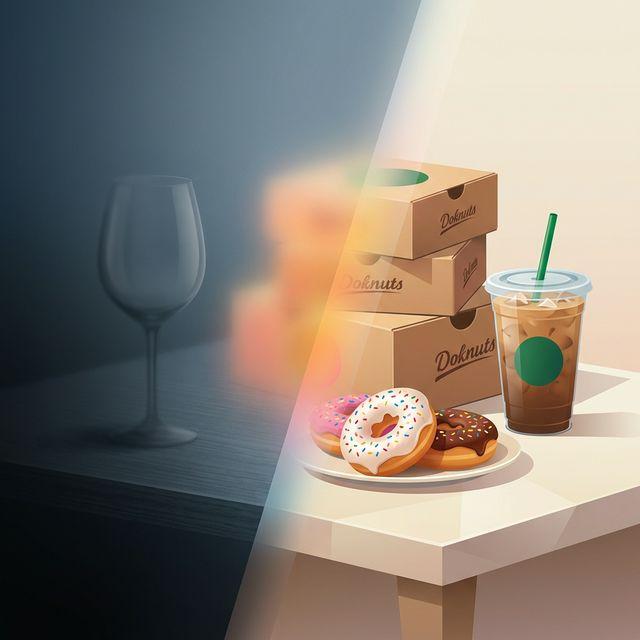
Cross-addiction (or addiction transfer) occurs when you successfully eliminate one addictive behavior—in this case, alcohol—and inadvertently replace it with another.
The new "addiction" is often more socially acceptable. Nobody is going to stage an intervention because you’re drinking too many Diet Cokes or buying too many house plants. But the underlying neurological mechanism—the desperate search for a dopamine hit to soothe uncomfortable emotions—remains exactly the same.
Common cross-addictions in early sobriety include:
- Sugar and Junk Food: The most common transfer. Alcohol is loaded with sugar, and your brain misses the quick hit.
- Caffeine: Energy drinks, excessive coffee, and highly caffeinated sodas.
- Shopping: The thrill of the "Add to Cart" button and the anticipation of a package.
- Exercise: Pushing your body to extremes to chase the endorphin rush.
- Work: Becoming a workaholic to avoid dealing with quiet evenings or difficult feelings.
- Scrolling/Gaming: Endless hours lost to TikTok, Instagram, or video games to numb out.
Not sure which app to use? We compared the top sobriety apps to make choosing easier.
Why Does Our Brain Do This?
To understand cross-addiction, we have to talk about dopamine—the brain’s reward neurotransmitter.
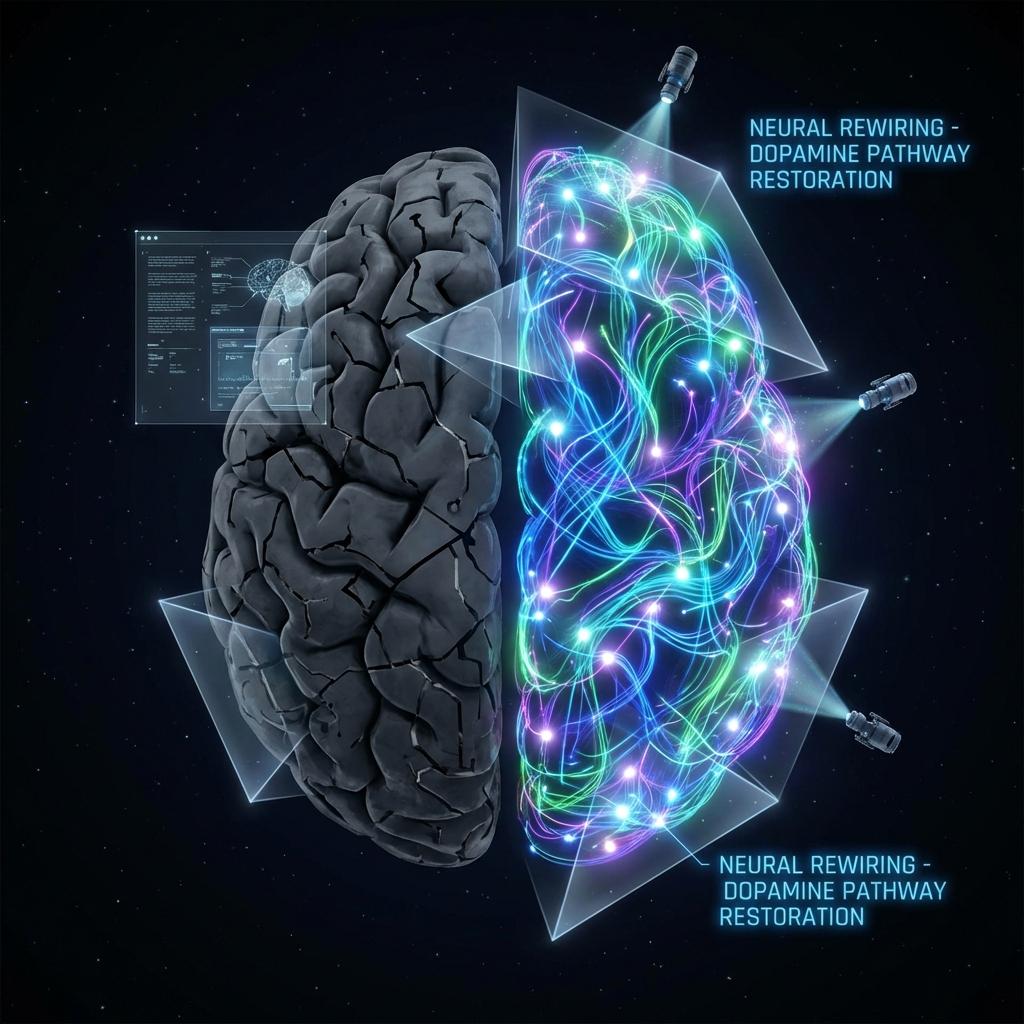
When you drink alcohol regularly, your brain gets used to artificially massive floods of dopamine. Over time, to protect itself from this unnatural surge, the brain downregulates its dopamine receptors. It basically turns the volume down on your ability to feel pleasure.
The Dopamine Deficit
When you quit drinking abruptly, your brain doesn't instantly bounce back. You are left in a state of dopamine deficit. Things that normally bring a mild sense of joy (a nice walk, a good book) feel flat and gray. Your brain is starving for reward, and it screams: “Give me something—anything—that will make me feel good right now!”
The Coping Mechanism Void
Alcohol wasn't just a beverage; it was your tool. You used it to celebrate, to relax, to socialize, to mourn, and to numb boredom. When you remove the tool but keep the underlying triggers (stress, anxiety, loneliness), your brain scrambles for a replacement tool to do the job.
If you don't have healthy coping mechanisms built up yet, your brain reaches for the easiest, most accessible quick fix: a cookie, an impulse purchase, or an energy drink.
Should You Be Worried?
This is a delicate balance. On one hand, harm reduction is the priority.
If eating a sleeve of Oreos keeps you from buying a bottle of vodka on day 15, eat the Oreos. In the very early days of sobriety, your only job is to go to sleep sober. If that requires extra sugar or a bit of retail therapy, show yourself some grace.
However, as you move further into recovery (typically past the 3-6 month mark), these replacement behaviors can become problematic. If left unchecked, cross-addiction can:
- Prevent Emotional Healing: You are still numbing your feelings rather than processing them.
- Harm Your Health: Excessive sugar or caffeine brings a host of new physical issues.
- Lead to Relapse: When the new addiction eventually fails to provide the relief you need, the brain will inevitably suggest returning to the "old reliable" fix: alcohol.
How to Break the Cross-Addiction Cycle
If you feel like you’ve merely traded one obsession for another, here are actionable steps to break the cycle.
1. Name It Without Shame
The first step is simply noticing it. Acknowledge, “I am using online shopping exactly how I used to use wine—to de-stress after work.” Remove the guilt. Your brain is just trying to heal and protect you in the only way it currently knows how.
2. Implement the "Pause"
When the urge hits (to eat the sugar, buy the shoes, drink the fourth coffee), force a 15-minute pause. In that time, ask yourself: What am I actually trying to escape right now? Am I tired, angry, lonely, or hungry (HALT)? Often, the craving will peak and subside within that 15-minute window.
3. Focus on Slow Dopamine
You need to retrain your brain to appreciate natural, slow-release dopamine rather than artificial, quick-fix dopamine.
- Quick fixes: Sugar, scrolling, shopping, alcohol.
- Slow dopamine: Exercise, completing a difficult task, cold plunges/showers, deep social connection, creating art.
It takes time, but your receptors will heal and up-regulate, allowing you to find joy in simple, everyday moments again.
4. Build True Coping Mechanisms
You have to replace the crutch with a sturdy bridge. If your trigger is stress, explore meditation, breathwork, or vigorous exercise. If your trigger is boredom, find a new hobby that requires active participation rather than passive consumption.
5. Talk About It
Addiction thrives in secrecy. Talk to a therapist, a sober community, or a trusted friend about your new habits. Bringing it into the light immediately removes its power.
The Bottom Line
Cross-addiction is a pit stop on the road to recovery, not the final destination. It is a sign that your brain is actively searching for equilibrium.
Be patient with yourself. Healing a brain reliant on instant gratification takes time. Focus on building an alcohol-free life that is so rich, grounded, and authentic that you don't feel the need to escape it—with anything.