Here's an uncomfortable statistic: roughly 80% of New Year's resolutions fail by February. But here's what I've learned from my sobriety journey—if you can stay sober, you already have all the skills you need to make any resolution stick. The same principles that keep us alcohol-free are exactly what most people are missing when they make their January promises.
Why Most Resolutions Fail (And Why Yours Won't)
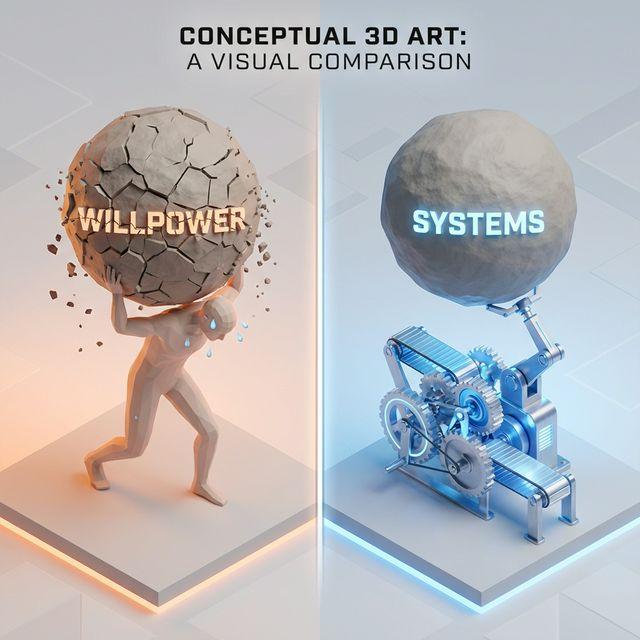
Before we get into strategies, let's understand why the typical resolution approach is doomed from the start. Most people treat January 1st like a magic reset button—as if willpower is something that automatically recharges at midnight. They make vague promises ("I'll be healthier"), rely purely on motivation ("I really want this!"), and have no plan for when things get hard.
Sound familiar? It should. It's exactly how most people approach quitting drinking before they actually succeed. The difference between failed attempts and successful sobriety isn't wanting it more—it's having the right framework.
The Sobriety Skills You Already Have
If you're sober, you've already developed these resolution-keeping superpowers:
- One-day-at-a-time thinking: You know that forever is overwhelming, but today is manageable
- Trigger awareness: You've learned to identify what makes you want to slip and how to navigate it
- Coping without your crutch: You've found alternatives to your go-to escape
- Recovery from setbacks: You know that a bad day doesn't erase your progress
- Community support: You've learned the value of not going it alone
- Progress tracking: You understand how watching your streak grow motivates you
These skills transfer to any goal. The person who can navigate a Friday night craving can absolutely stick to a workout plan or a budget.
The Resolution Framework That Actually Works
Let me share the approach I've developed—one that applies everything I've learned from sobriety to any goal worth pursuing.
Step 1: Get Specific (Really Specific)
"I want to get healthier" is not a resolution. "I want to drink less" was never a successful sobriety strategy either. Vague goals produce vague results.
Transform vague goals into specific ones:
- "Get healthier" → "Walk 30 minutes every day before work"
- "Save money" → "Transfer $200 to savings on the 1st of every month"
- "Read more" → "Read 20 pages before bed instead of scrolling my phone"
- "Be more present" → "Put my phone in another room during dinner"
- "Reduce stress" → "Meditate for 10 minutes every morning after my coffee"
Notice the pattern: specific action + specific time + specific context. Just like "I won't drink today" is clearer than "I'll drink less," precise resolutions give your brain something concrete to execute.
Step 2: Understand Your Why (Really Understand It)
In sobriety, we often talk about "playing the tape forward"—imagining where drinking takes us versus where sobriety leads. The same principle applies to any resolution.
For each goal, write down:
- What happens if you don't change? Be honest about where you're headed.
- What does success look like in 1 year? Paint a vivid picture.
- What does success look like in 5 years? Extend the vision.
- Who are you becoming? Connect the resolution to identity, not just behavior.
This isn't just motivation—it's the fuel you'll draw on when the initial excitement fades and the work gets hard. My sobriety survived countless cravings because I had a crystal-clear picture of the life I was building versus the one I was escaping.
Step 3: Plan for Failure (Because It's Coming)
This is where most resolutions fall apart. People assume motivation will carry them through, but motivation is unreliable. What happens when you don't feel like going to the gym? When the budget feels restrictive? When the book is boring?
In sobriety, we call this planning for triggers. For resolutions, do the same:
- Identify your likely obstacles: What has made you quit similar goals before?
- Create if-then plans: "If I don't feel like working out, I'll do 10 minutes of stretching instead"
- Build in flexibility: Miss a day? That's not failure—that's life. Plan your comeback.
- Remove friction: Make the good behavior easy and the bad behavior hard
Example: If your goal is morning exercise, sleep in your workout clothes, put your shoes by the door, and have a backup 10-minute routine for days when you can't do the full workout. Make the path of least resistance lead where you want to go.
Step 4: Track Obsessively (It Works for Sobriety, It Works for Everything)
There's a reason every successful person in recovery uses some form of tracking—whether it's counting days, using an app, or marking a calendar. Tracking does several things:
If you're still choosing a tracking app, our guide to the best sobriety apps compares the top options side by side.
- Makes progress visible when you can't feel it
- Creates accountability (even if only to yourself)
- Builds momentum through streak psychology
- Provides data to analyze what's working
Apply this to your resolutions. Want to exercise more? Track every workout. Saving money? Log every expense. Reading more? Count the pages.
Don't underestimate the power of not wanting to break a streak. The same psychology that makes you not want to reset your sobriety counter works for any habit you're building.
Step 5: Find Your People
Sobriety in isolation is exponentially harder than sobriety in community. The same is true for any significant change. Find people pursuing similar goals:
- Online communities: Reddit, Facebook groups, Discord servers—there's a group for everything
- Accountability partners: One person who checks in on your progress regularly
- Classes or groups: Join a running club, a book club, a financial literacy class
- Share publicly: Sometimes just telling people about your goals creates accountability
You don't need a crowd—even one person who genuinely supports your goal makes a significant difference.
Sobriety-Informed Resolutions Worth Considering
Based on what I've learned matters most in recovery, here are resolutions that compound the benefits of sobriety:
Physical Health Resolutions
- Prioritize sleep: Consistent bedtime and wake time, even on weekends. Your sober body deserves quality rest.
- Move daily: Doesn't need to be intense—just get your body moving every single day.
- Hydrate properly: You're no longer dehydrating yourself with alcohol; now optimize.
- Reduce sugar: Many of us replaced alcohol calories with sugar. Time to address that.
Mental Health Resolutions
- Daily meditation or mindfulness: Even 5 minutes builds the mental muscles that help with cravings.
- Regular therapy or counseling: If you're not already, consider it. Sobriety often uncovers things worth processing.
- Limit social media: Replace the scroll with something that actually feeds your brain.
- Gratitude practice: Daily acknowledgment of what's going right. Sobriety gives you so much to be grateful for.
Relationship Resolutions
- Weekly quality time with important people: Undistracted, intentional connection.
- Regular check-ins with your support network: Don't wait until crisis to reach out.
- Set and maintain boundaries: Protect your sobriety and your peace.
- Make amends where needed: If there are relationships that need repair, this is the year.
Financial Resolutions
- Track what you're saving from not drinking: Make it visible. Put it toward something meaningful.
- Build an emergency fund: Financial security reduces stress, which reduces relapse risk.
- Invest in experiences over things: Sober living is about building a life worth living.
Growth Resolutions
- Learn a new skill: All that time and mental clarity you've recovered? Use it.
- Read consistently: Books are a form of mentorship from the world's best minds.
- Create something: Art, writing, music, building—make something that didn't exist before.
- Volunteer or give back: Service is therapeutic and connects you to community.
When Resolutions Feel Like Too Much
Here's permission you might need: sobriety IS your resolution. If staying sober is taking all your energy right now, that's enough. More than enough.
You don't have to overhaul your entire life at once. In fact, trying to change everything simultaneously is often counterproductive. Early sobriety requires so much mental and emotional energy that adding new habits can overwhelm the system.
If you're in your first year of sobriety, consider making your only resolution: "Stay sober and be gentle with myself while I figure out who I am without alcohol."
There will be future New Years. You'll have your whole life to optimize. Right now, if staying sober is your focus, that's a worthy enough goal.
The One Resolution That Changes Everything
If you're going to pick just one resolution, make it this: Keep showing up.
Not perfect attendance. Not flawless execution. Just keep showing up. Miss a workout? Show up tomorrow. Blow your budget? Show up next paycheck. Have a rough mental health day? Show up for the next meditation.
This is exactly what sobriety teaches: it's not about never struggling—it's about what you do after you struggle. The people who succeed at any goal are the ones who don't let setbacks become permanent exits. They dust off and get back on the path.
Your Sobriety Is Proof You Can Do Hard Things
Before I wrap up, I want you to really hear this: if you're sober, you've already done the hardest thing. You've already proven you can resist one of the most addictive substances on earth, one that society pushes at every opportunity.
You've already learned to tolerate discomfort, delay gratification, and choose long-term benefits over short-term relief. You've already rebuilt your self-trust, often from the ground up.
Compared to that? A resolution to exercise, save money, or read more is absolutely within your capability. You have the skills. You've done the training. Trust yourself.
Make This Your Year
New Year's resolutions get a bad reputation because most people approach them wrong. But you're not most people. You've learned through sobriety what real change requires: specificity, planning, tracking, community, self-compassion, and relentless showing up.
Apply those principles to any goal, and you'll find yourself in the 20% who actually see their resolutions through. You'll find yourself building a life that's not just sober, but truly flourishing.
So what will you create this year? What will you build? What will you become?
Whatever you choose, know this: you've already proven you can do hard things. This year is just the next chapter of the incredible transformation you've already begun.
Happy New Year—and happy resolution setting. You've got this.