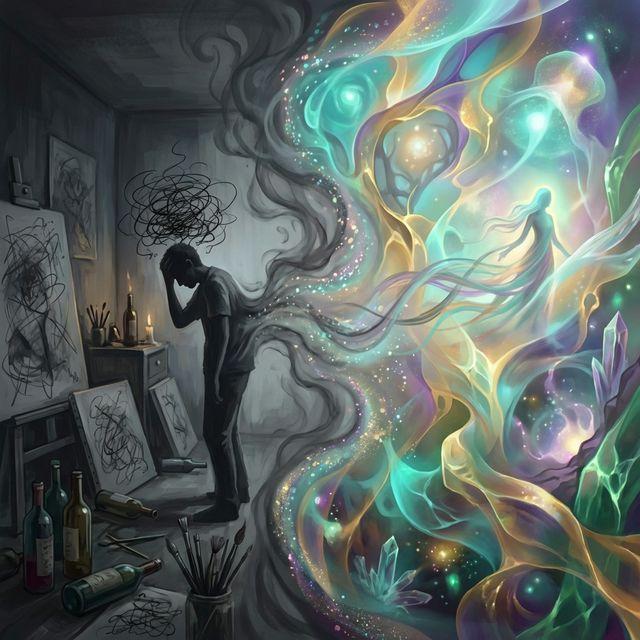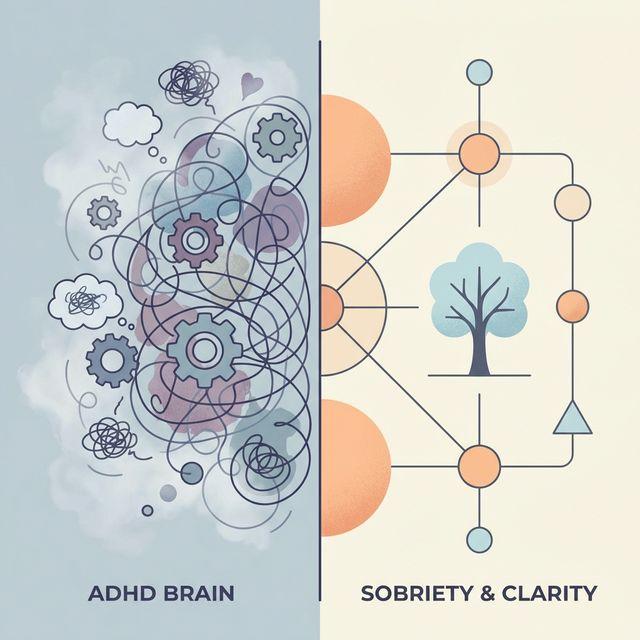
It starts innocently enough. You've had a day where your brain felt like a browser with 30 tabs open—half of them frozen, the other half playing music you can't find. You are exhausted, not from physical labor, but from the sheer effort of trying to focus, regulate your emotions, and "act normal."
You have a drink. And suddenly... silence.
The tabs close. The music stops. The static in your head clears. For 20 minutes, you feel "normal."
If this sounds familiar, you aren't alone. The link between ADHD (Attention Deficit Hyperactivity Disorder) and alcohol use is profound, pervasive, and often misunderstood. For many neurodivergent adults, alcohol isn't just about partying—it's about symptom management.
But treating ADHD with alcohol is like trying to put out a fire with gasoline. It works for a split second, and then the explosion happens.
The Dopamine Connection: Why the ADHD Brain Loves Alcohol
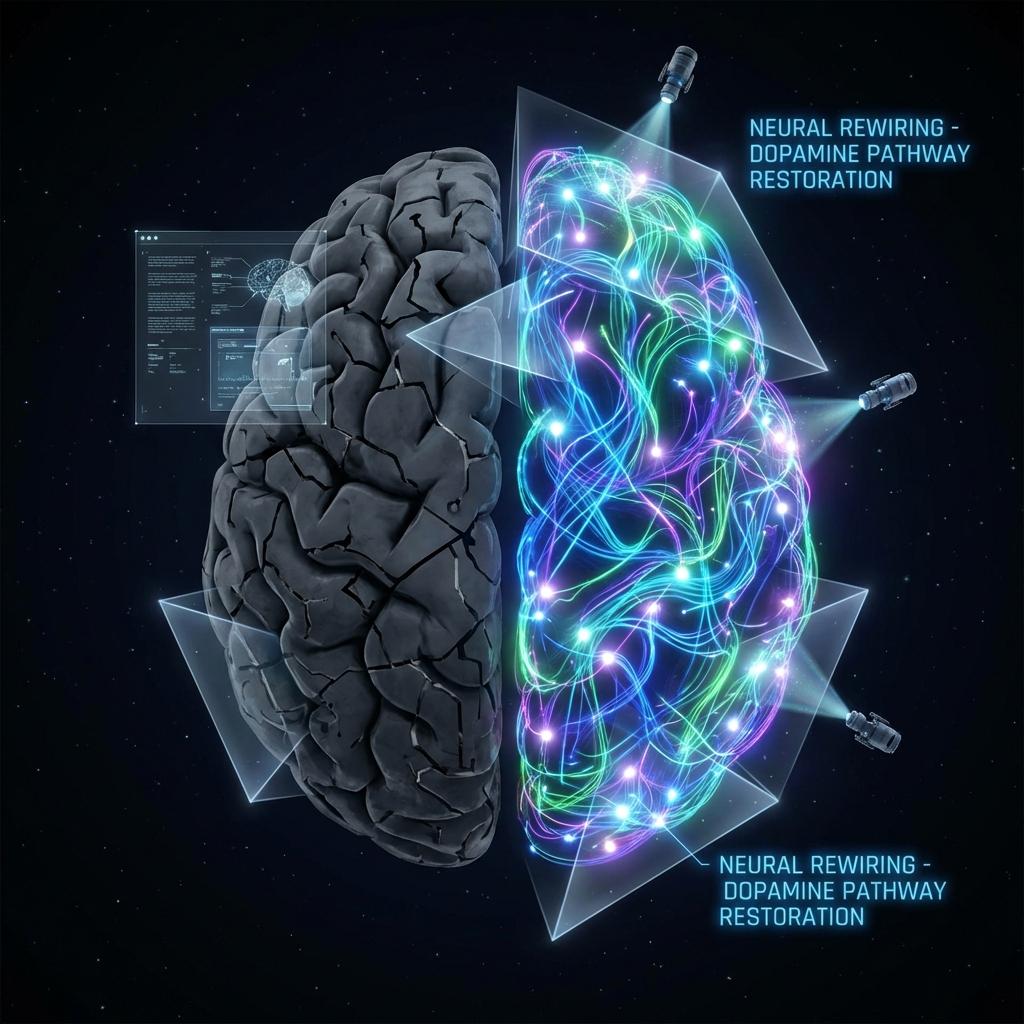
To understand the link, you have to understand the chemistry. ADHD is fundamentally a disorder of regulation—specifically involving dopamine and norepinephrine, the neurotransmitters responsible for focus, motivation, and reward.
The ADHD brain is chronically dopamine-starved. It is constantly hunting for stimulation to reach a baseline that neurotypical brains take for granted.
Alcohol triggers a massive, artificial flood of dopamine. For an ADHD brain, that first drink doesn't just feel "good"—it feels like relief. It feels like the engine has finally stopped sputtering and is running smoothly.
This is why "one drink" is rarely enough. When that dopamine spike inevitably drops, the ADHD brain screams for more, leading to a cycle of binge drinking that is much harder to break than for neurotypical peers.
A free sobriety tracker app makes progress like this much easier to see, and our comparison guide breaks down which ones do it best.
The Myth of "Quieting the Noise"
Many people with undiagnosed or unmanaged ADHD use alcohol as a sedative.
- Racing thoughts? Alcohol slows them down.
- Social anxiety/overwhelm? Alcohol lowers inhibitions.
- Restlessness? Alcohol physically sedates the body.
It works... until it doesn't.
The problem is that alcohol is a depressant that triggers a rebound effect. As the alcohol wears off, your brain overcorrects by dumping stress hormones (cortisol and adrenaline) into your system.
For someone with ADHD, who already struggles with emotional regulation and anxiety, this rebound is brutal. The "hangxiety" (hangover anxiety) experienced by people with ADHD is often severe, leading to a day of paralysis, shame, and an inability to function—which often leads to craving another drink to make the feeling stop.
The Executive Function Hangover
ADHD affects executive functions: planning, prioritizing, initiating tasks, and emotional control.
Alcohol temporarily obliterates executive function.
When you are hungover or even just "foggy" from drinking the night before, your already compromised executive functions tank completely.
- The simple email takes 45 minutes.
- The messy room feels impossible to tackle.
- Emotional rejection sensitivity skyrockets.
You aren't just tired; you are neurologically handicapped. The alcohol you drank to manage the overwhelm has now made you significantly less capable of handling life, creating more overwhelm, which triggers the desire for more relief.
It is a perfect, vicious loop.
Breaking the Cycle: Dopamine-Friendly Alternatives
Recovery for people with ADHD isn't just about "willpower." It's about finding sustainable ways to get the stimulation and regulation your brain needs without destroying your health.
1. High-Intensity Exercise
Nothing mimics the "quieting" effect of alcohol better than heavy physical exertion. Running, lifting weights, or HIIT workouts flood the brain with endorphins and dopamine.
2. Cold Exposure
It sounds miserable, but a cold shower or ice bath increases dopamine levels by 250% and keeps them elevated for hours. It provides a sharp, immediate "reset" for a chaotic brain.
3. Gamify Your Life
ADHD brains respond to immediate rewards. Use apps that turn habit-building into a game. The Sober Tracker app is designed with this in mind—visual streaks, money saved, and clear milestones give you the "ding" of satisfaction your brain craves.
4. Manage Your Physiology
One of the biggest triggers for ADHD drinking is physical dysregulation—heart rate spikes and shallow breathing that feel like panic. The Anxiety Pulse app helps you measure your heart rate and stress levels using just your phone camera. Seeing your physiological state can help you distinguish between "I need a drink" and "I need to breathe/rest," giving you data to regain control before you spiral.
The Superpower of Sober ADHD
Here is the good news: When you remove alcohol, your medication (if you take it) works better. Your sleep restores your brain. Your emotional baseline stabilizes.
But more than that, you stop playing life on "Hard Mode."
Many people find that their "unmanageable" ADHD symptoms become surprisingly manageable once the cycle of drink-hangover-anxiety is broken. You might find that the creativity, hyperfocus, and energy you thought you needed alcohol to tame are actually your greatest assets when clarity returns.
You don't need to numb your brain to live in it. You just need to learn how to drive it.
Ready to see what your brain can do without the fog? Download Sober Tracker to start your streak, and check out Anxiety Pulse to master your stress response.